Share this article and save a life!
The rumors are true: We’ve officially entered the AI diagnostic revolution in healthcare.
The FDA has now approved over 1,250 AI-enabled medical devices, with 750+ in radiology alone. But it’s not just about quantity – the quality and capability advancements are mind-blowing.
🔍 Philips’ new SmartSpeed Precise technology is a game-changer, delivering:
• Brain scans in under 10 SECONDS (vs. traditional 30+ minutes)
• Up to 3X faster overall scan times
• 80% sharper images with enhanced detail
This isn’t incremental improvement – it’s transformative.
For patients: Less time in the claustrophobic tube, fewer motion artifacts, and dramatically reduced waiting lists. One hospital system reported cutting their MRI backlog by 61% in just three months.
For radiologists: Higher throughput without sacrificing quality – actually improving it. The AI enhancement means clearer images with fewer artifacts, enabling more confident readings in less time.
For hospital operations: The ROI is compelling. Facilities are reporting 40% more scans per day on existing machines, plus reduced overtime and staffing pressure.
For smaller facilities: This brings advanced diagnostics capabilities to community hospitals that previously couldn’t afford top-tier equipment. The AI bridges the technology gap.
💡 The bigger picture? We’re witnessing the collapse of diagnostic bottlenecks that have plagued healthcare for decades.
This isn’t just about MRIs either. Similar AI acceleration is happening across imaging modalities:
• FDA-cleared portable AI-enhanced MRI devices enable bedside imaging with real-time optimization
• RapidAI’s solution automates critical aortic measurements and 3D reconstructions
• Next-gen CT scanners use AI to reduce radiation exposure by up to 78%
For healthcare executives, this creates both opportunity and urgency. The diagnostic landscape is being rewritten, and organizations that leverage these technologies effectively will gain significant competitive advantages in quality, efficiency, and patient satisfaction.
Which AI diagnostic technologies are you evaluating? And how are you preparing your organization to fully capture their value?
Share this article and save a life!
Author:
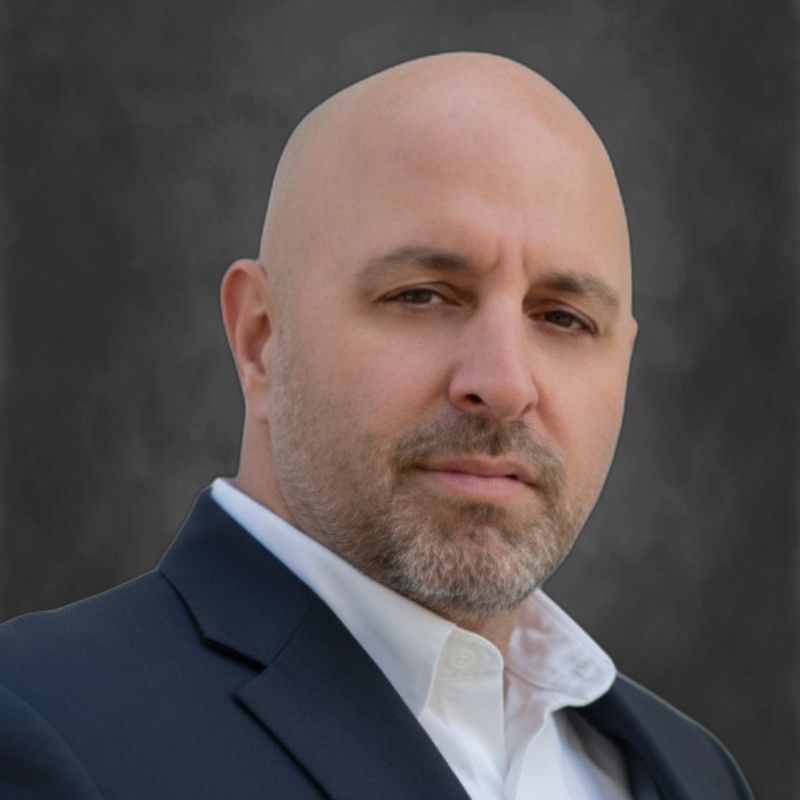
CEO/Co-Founder @ Oatmeal Health | AI Lung Cancer Screening | Almost Became a Doctor | Engineer | Follow to Share What I’ve Learned Along the Way
I help patients get the care they need earlier, preventing late-stage cancer.
That’s been the throughline across three companies and almost 20 years in healthcare. At ReferralMD, we fixed broken referral networks so patients didn’t fall through the cracks. At Oatmeal Health, it’s lung cancer: building the diagnostic and screening infrastructure so the 85% of cases caught too late get caught early instead.
Today as CEO of Oatmeal Health, I lead a team embedding AI into radiology workflows to turn routine lung CT scans into reimbursable cancer risk assessments. We partner with FQHCs to reach underserved communities, and with health systems and payers to make early detection economically sustainable. Think HeartFlow or Cleerly, but for lungs.
Between companies, I advised at Techstars and Plug and Play, mentoring founders building in digital health. That experience shaped how I think about what separates companies that ship from companies that stall: distribution, reimbursement, and clinical trust, not just technology.
I’m a CancerX alumnus, a 3x healthcare founder, and someone who believes the biggest problems in cancer aren’t scientific. They’re operational.
We’re hiring mission-driven builders at Oatmeal Health. If you want to work on something that matters, reach out.
When I’m not working, I’m traveling, mentoring, and keeping up with one very energetic husky. 🐾
Substack – The Oatmeal Bite:
Millions of patients get less care because of who they are, where they live, or how they look. I’m fighting to change that. CEO @OatmealHealth, a startup built for the underserved. The Oatmeal Bite: intel for clinicians, investors, and advocates.
Jonathan Govette
CEO of Oatmeal Health
Substack:
https://oatmealhealthjonathangovette.substack.com/