Share this article and save a life!
30 million Americans could lose their doctors in 8 months.
That’s not hyperbole. The Community Health Center Fund expired September 30, 2025, and Congress hasn’t acted other then a basic extension until January 30th, 2026.
This fund provides 70% of federal funding for FQHCs. Without it, community health centers face an existential crisis.
Here’s what’s at stake:
📊 The numbers tell a devastating story:
• 1,400+ FQHCs serving vulnerable communities
• 34 million patients annually, 91% below 200% poverty line
• $5.8 billion in annual funding disappearing overnight
• 51,000 healthcare workers potentially losing jobs
But the real tragedy? Congress knows this deadline. They’ve known for years.
Yet here we are, 8 months away, with no long-term solution. Just political theater while safety net providers draft layoff notices and contingency plans.
FQHCs are already freezing hiring. Expansion projects canceled. New clinic sites put on hold. Rural communities that fought for years to get a health center are watching their dreams evaporate.
The irony burns: We spend billions on emergency room visits that could be prevented with primary care. FQHCs save the healthcare system $24 billion annually. Every dollar invested returns $5.40 in economic benefit.
Yet we’re willing to let this proven infrastructure collapse?
Here’s what healthcare leaders must understand: This isn’t just an FQHC problem. When community health centers fail, hospitals get overwhelmed. Emergency departments become primary care clinics. Uncompensated care skyrockets.
The ripple effects will devastate rural hospitals already on life support. Urban safety nets will buckle under the surge. Commercial insurers will face higher costs as preventable conditions worsen.
Advocates are pushing for $7.87 billion in annual funding, a modest increase to sustain current operations and workforce programs. That’s less than we spend on healthcare administration waste in two weeks.
The September 30 deadline isn’t negotiable. Every day Congress delays makes the crisis harder to solve. FQHCs need certainty now to maintain operations, not another last-minute continuing resolution.
This is a test of our healthcare priorities. Do we value prevention or just treat emergencies? Do we support community-based care or force people into costlier settings?
The clock is ticking. And 30 million Americans are watching.
♻️ Repost if Congress should prioritize healthcare for our most vulnerable communities
👉 Follow me, Jonathan Govette, for real-time updates on healthcare technology and business news. LinkedIn Profile: https://www.linkedin.com/in/jonathangovette/
Share this article and save a life!
Author:
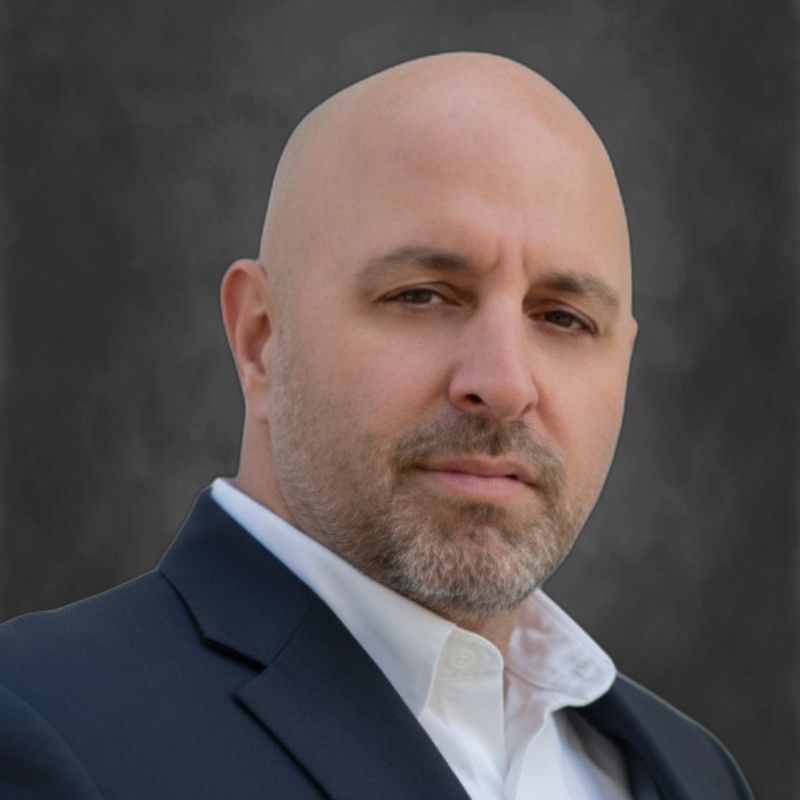
CEO/Co-Founder @ Oatmeal Health | AI Lung Cancer Screening | Almost Became a Doctor | Engineer | Follow to Share What I’ve Learned Along the Way
I help patients get the care they need earlier, preventing late-stage cancer.
That’s been the throughline across three companies and almost 20 years in healthcare. At ReferralMD, we fixed broken referral networks so patients didn’t fall through the cracks. At Oatmeal Health, it’s lung cancer: building the diagnostic and screening infrastructure so the 85% of cases caught too late get caught early instead.
Today as CEO of Oatmeal Health, I lead a team embedding AI into radiology workflows to turn routine lung CT scans into reimbursable cancer risk assessments. We partner with FQHCs to reach underserved communities, and with health systems and payers to make early detection economically sustainable. Think HeartFlow or Cleerly, but for lungs.
Between companies, I advised at Techstars and Plug and Play, mentoring founders building in digital health. That experience shaped how I think about what separates companies that ship from companies that stall: distribution, reimbursement, and clinical trust, not just technology.
I’m a CancerX alumnus, a 3x healthcare founder, and someone who believes the biggest problems in cancer aren’t scientific. They’re operational.
We’re hiring mission-driven builders at Oatmeal Health. If you want to work on something that matters, reach out.
When I’m not working, I’m traveling, mentoring, and keeping up with one very energetic husky. 🐾
Substack – The Oatmeal Bite:
Millions of patients get less care because of who they are, where they live, or how they look. I’m fighting to change that. CEO @OatmealHealth, a startup built for the underserved. The Oatmeal Bite: intel for clinicians, investors, and advocates.
Jonathan Govette
CEO of Oatmeal Health
Substack:
https://oatmealhealthjonathangovette.substack.com/