Share this article and save a life!
88% of hospitals are now piloting virtual nurses.
The results? Mind-blowing.
Houston Methodist just deployed self-aware hospital rooms that can predict patient falls before they happen. University Hospitals launched AI-powered virtual nursing across their entire Lake West campus. Cedars-Sinai’s platform now manages 42,000+ patients remotely.
Here’s what’s actually happening on the ground:
📊 The numbers are staggering:
• Falls reduced by 10-30% on high-risk units
• Nurses save 20-45 minutes per shift on documentation
• Sitter hours cut by 30-50%
• Hospital stays shortened by 7%
• 73% of hospitals expanding programs in 2026
The technology is fascinating. These aren’t just cameras and microphones. We’re talking about AI-enabled rooms with embedded sensors, predictive algorithms, and two-way communication systems. Virtual nurses handle admissions, discharges, medication education, and continuous monitoring from command centers.
One virtual nurse can now monitor 12-16 patients simultaneously, providing that crucial “second set of eyes” bedside nurses desperately need.
But here’s what really matters:
This isn’t replacing nurses, it’s giving them superpowers.
Bedside nurses get 10-15% of their time back for actual patient care. They’re no longer drowning in documentation. They have backup for patient education. Someone’s always watching for deterioration signs.
The rural impact? Game-changing. Virtual nursing reduces transfer delays by 15-35% in underserved areas. Patients get specialist consultations without leaving their community hospitals.
Yes, there are challenges. Workflow redesign is complex. Training takes time. Not every patient wants a virtual nurse.
But when nursing shortages threaten to collapse our healthcare system, this technology offers real hope.
We’re witnessing the biggest transformation in hospital nursing since electronic health records. And unlike EHRs, this one is actually making nurses’ lives better.
The question isn’t whether virtual nursing will become standard, it’s how fast hospitals can implement it.
♻️ Repost if virtual nursing could solve your hospital’s staffing crisis
👉 Follow me, Jonathan Govette, for real-time updates on healthcare technology and business news. LinkedIn Profile: https://www.linkedin.com/in/jonathangovette/
Share this article and save a life!
Author:
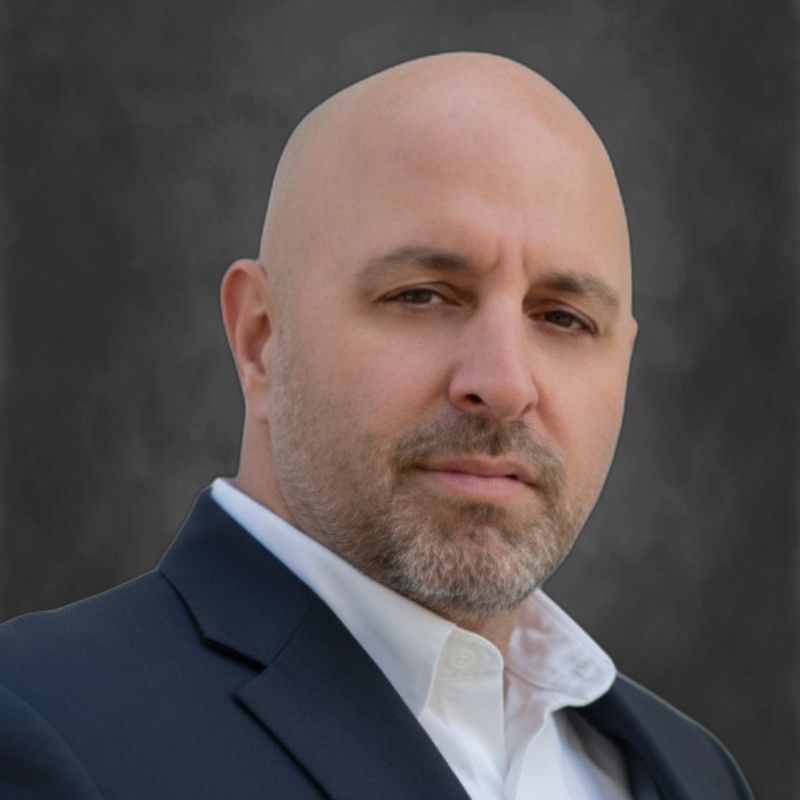
CEO/Co-Founder @ Oatmeal Health | AI Lung Cancer Screening | Almost Became a Doctor | Engineer | Follow to Share What I’ve Learned Along the Way
I help patients get the care they need earlier, preventing late-stage cancer.
That’s been the throughline across three companies and almost 20 years in healthcare. At ReferralMD, we fixed broken referral networks so patients didn’t fall through the cracks. At Oatmeal Health, it’s lung cancer: building the diagnostic and screening infrastructure so the 85% of cases caught too late get caught early instead.
Today as CEO of Oatmeal Health, I lead a team embedding AI into radiology workflows to turn routine lung CT scans into reimbursable cancer risk assessments. We partner with FQHCs to reach underserved communities, and with health systems and payers to make early detection economically sustainable. Think HeartFlow or Cleerly, but for lungs.
Between companies, I advised at Techstars and Plug and Play, mentoring founders building in digital health. That experience shaped how I think about what separates companies that ship from companies that stall: distribution, reimbursement, and clinical trust, not just technology.
I’m a CancerX alumnus, a 3x healthcare founder, and someone who believes the biggest problems in cancer aren’t scientific. They’re operational.
We’re hiring mission-driven builders at Oatmeal Health. If you want to work on something that matters, reach out.
When I’m not working, I’m traveling, mentoring, and keeping up with one very energetic husky. 🐾
Substack – The Oatmeal Bite:
Millions of patients get less care because of who they are, where they live, or how they look. I’m fighting to change that. CEO @OatmealHealth, a startup built for the underserved. The Oatmeal Bite: intel for clinicians, investors, and advocates.
Jonathan Govette
CEO of Oatmeal Health
Substack:
https://oatmealhealthjonathangovette.substack.com/