Share this article and save a life!
What if surgeons could see cancer cells in real-time during surgery?
Yesterday, Intermountain Health made this a reality.
They just deployed AI-powered OCT imaging across their 34 hospitals that lets surgeons visualize surgical margins during breast cancer operations. Think of it as giving surgeons microscopic vision while they operate.
Here’s why this matters:
→ Up to 40% of breast cancer patients need repeat surgeries because surgeons can’t see microscopic cancer cells at tissue edges
→ Each reoperation costs $16,000 and delays radiation therapy by weeks
→ 300,000 women undergo breast-conserving surgery annually in the U.S.
The technology uses optical coherence tomography (OCT) with AI algorithms that highlight suspicious regions in real-time. Surgeons can immediately check if they got all the cancer, right there in the OR.
This isn’t just another AI pilot program. Intermountain is rolling this out systemwide after a pivotal trial showed it could reduce reoperations. The FDA is currently reviewing the AI component for full approval.
What strikes me most: We’ve had the imaging capability for years. But adding AI that can interpret these images in real-time, helping surgeons make split-second decisions, that’s the game changer.
This is exactly the type of AI implementation healthcare needs. Not replacing surgeons, but giving them superhuman abilities when patients need it most.
The question now: If AI can help surgeons see cancer margins in real-time, what other invisible problems in healthcare could become visible with the right technology?
♻️ Repost if cancer patients deserve one surgery, not two
👉 Follow me, Jonathan Govette, for real-time updates on healthcare technology and business news. LinkedIn Profile: https://www.linkedin.com/in/jonathangovette/
Share this article and save a life!
Author:
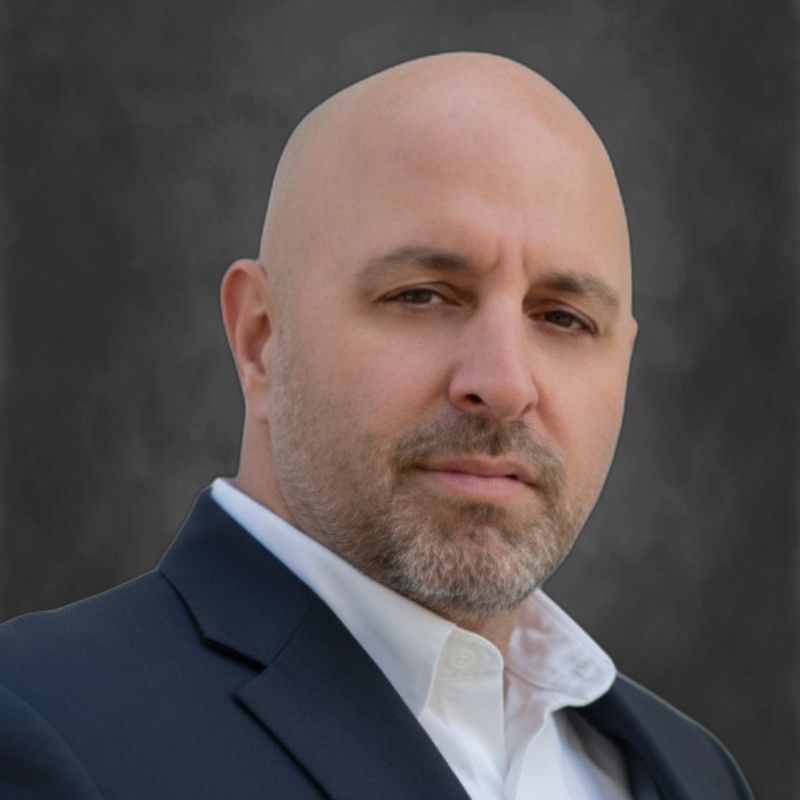
CEO/Co-Founder @ Oatmeal Health | AI Lung Cancer Screening | Almost Became a Doctor | Engineer | Follow to Share What I’ve Learned Along the Way
I help patients get the care they need earlier, preventing late-stage cancer.
That’s been the throughline across three companies and almost 20 years in healthcare. At ReferralMD, we fixed broken referral networks so patients didn’t fall through the cracks. At Oatmeal Health, it’s lung cancer: building the diagnostic and screening infrastructure so the 85% of cases caught too late get caught early instead.
Today as CEO of Oatmeal Health, I lead a team embedding AI into radiology workflows to turn routine lung CT scans into reimbursable cancer risk assessments. We partner with FQHCs to reach underserved communities, and with health systems and payers to make early detection economically sustainable. Think HeartFlow or Cleerly, but for lungs.
Between companies, I advised at Techstars and Plug and Play, mentoring founders building in digital health. That experience shaped how I think about what separates companies that ship from companies that stall: distribution, reimbursement, and clinical trust, not just technology.
I’m a CancerX alumnus, a 3x healthcare founder, and someone who believes the biggest problems in cancer aren’t scientific. They’re operational.
We’re hiring mission-driven builders at Oatmeal Health. If you want to work on something that matters, reach out.
When I’m not working, I’m traveling, mentoring, and keeping up with one very energetic husky. 🐾
Substack – The Oatmeal Bite:
Millions of patients get less care because of who they are, where they live, or how they look. I’m fighting to change that. CEO @OatmealHealth, a startup built for the underserved. The Oatmeal Bite: intel for clinicians, investors, and advocates.
Jonathan Govette
CEO of Oatmeal Health
Substack:
https://oatmealhealthjonathangovette.substack.com/