Share this article and save a life!
40 million people ask ChatGPT for health advice daily. Now it’s official.
OpenAI just dropped ChatGPT for Healthcare with full HIPAA compliance, and the early adopter list reads like a who’s who of American medicine:
• AdventHealth
• Boston Children’s Hospital
• Cedars-Sinai
• HCA Healthcare
• Memorial Sloan Kettering
• Stanford Children’s Health
• UCSF
Here’s what makes this different from every other AI announcement:
At Penda Health, their clinical copilot reduced both diagnostic AND treatment errors in live primary care settings. Not in a trial. Not in a simulation. In actual patient care with real clinicians making real decisions.
70% of ChatGPT health conversations happen outside clinic hours.
Half of U.S. nurses are already using AI weekly.
Yet we’re still debating whether AI belongs in healthcare?
The real question isn’t whether AI will transform healthcare. It’s whether traditional health systems can move fast enough to keep up with consumer expectations.
Think about it: patients are already getting AI health guidance at 2 AM on their phones. Meanwhile, many hospitals still fax medical records.
The gap between what patients expect and what healthcare delivers has never been wider.
This isn’t just about technology adoption. It’s about reimagining the entire care delivery model around AI-augmented workflows, 24/7 availability, and instant information synthesis.
Health systems that embrace this shift will thrive.
Those that don’t? They’ll become the Blockbuster of healthcare.
♻️ Repost if AI should augment, not replace, human clinical judgment
👉 Follow me, Jonathan Govette, for real-time updates on healthcare technology and business news. LinkedIn Profile: https://www.linkedin.com/in/jonathangovette/
Share this article and save a life!
Author:
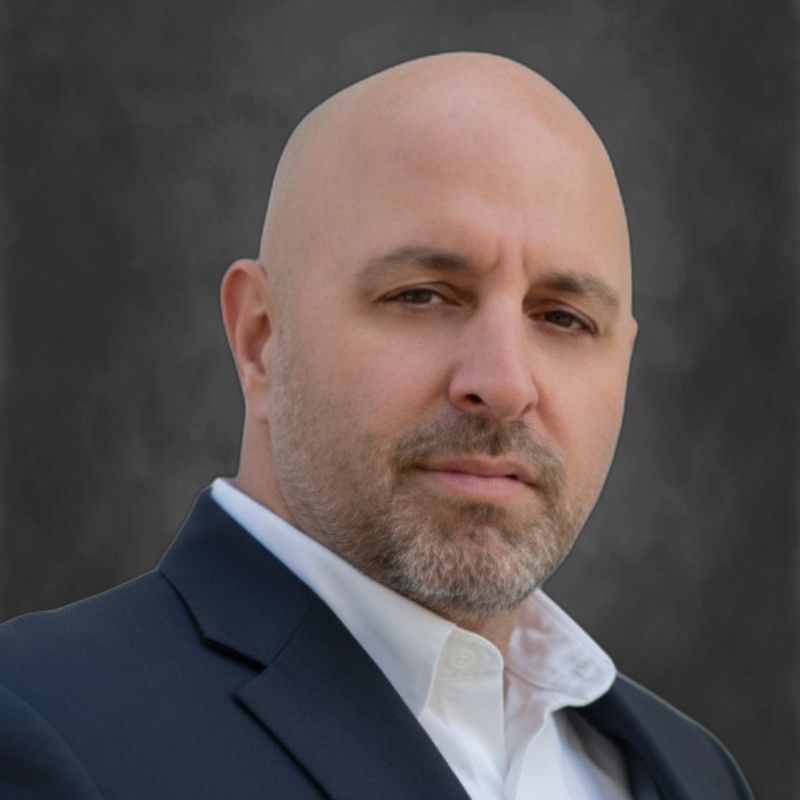
CEO/Co-Founder @ Oatmeal Health | AI Lung Cancer Screening | Almost Became a Doctor | Engineer | Follow to Share What I’ve Learned Along the Way
I help patients get the care they need earlier, preventing late-stage cancer.
That’s been the throughline across three companies and almost 20 years in healthcare. At ReferralMD, we fixed broken referral networks so patients didn’t fall through the cracks. At Oatmeal Health, it’s lung cancer: building the diagnostic and screening infrastructure so the 85% of cases caught too late get caught early instead.
Today as CEO of Oatmeal Health, I lead a team embedding AI into radiology workflows to turn routine lung CT scans into reimbursable cancer risk assessments. We partner with FQHCs to reach underserved communities, and with health systems and payers to make early detection economically sustainable. Think HeartFlow or Cleerly, but for lungs.
Between companies, I advised at Techstars and Plug and Play, mentoring founders building in digital health. That experience shaped how I think about what separates companies that ship from companies that stall: distribution, reimbursement, and clinical trust, not just technology.
I’m a CancerX alumnus, a 3x healthcare founder, and someone who believes the biggest problems in cancer aren’t scientific. They’re operational.
We’re hiring mission-driven builders at Oatmeal Health. If you want to work on something that matters, reach out.
When I’m not working, I’m traveling, mentoring, and keeping up with one very energetic husky. 🐾
Substack – The Oatmeal Bite:
Millions of patients get less care because of who they are, where they live, or how they look. I’m fighting to change that. CEO @OatmealHealth, a startup built for the underserved. The Oatmeal Bite: intel for clinicians, investors, and advocates.
Jonathan Govette
CEO of Oatmeal Health
Substack:
https://oatmealhealthjonathangovette.substack.com/