Share this article and save a life!
Kaiser Permanente just pulled off something remarkable.
They deployed AI scribes to 24,000 physicians across 40 hospitals and 600+ medical offices. In one move.
This isn’t another pilot. This is the largest ambient AI documentation rollout in healthcare history.
Think about that scale for a second:
• More doctors than the entire physician workforce of Virginia
• Covers 14+ languages
• Works across 50+ specialties
• Real-time clinical note generation integrated directly into the EHR
Why this matters more than you think:
The average physician spends 16 minutes on documentation for every patient visit. That’s 2 hours of typing for every 1 hour with patients.
For Kaiser’s 24,000 doctors, that’s 48,000 hours of documentation daily.
Now imagine reclaiming even half of that time.
But here’s what everyone’s missing:
This isn’t about technology adoption anymore. It’s about the complete normalization of AI in clinical care.
When the nation’s largest integrated health system goes all-in on AI scribes, we’ve crossed a line. AI just became standard equipment, like stethoscopes and EHRs.
The real story?
2026 isn’t the year we debate if AI belongs in healthcare.
It’s the year AI stopped being optional.
Every health system not actively deploying ambient AI is now playing catch-up. Every vendor without an AI strategy is becoming irrelevant. Every physician still manually typing notes is losing hours they’ll never get back.
Kaiser just set the new baseline. The question isn’t whether to adopt AI anymore.
It’s how fast you can scale it.
♻️ Repost if AI documentation should be standard in every hospital
👉 Follow me, Jonathan Govette, for real-time updates on healthcare technology and business news. LinkedIn Profile: https://www.linkedin.com/in/jonathangovette/
Share this article and save a life!
Author:
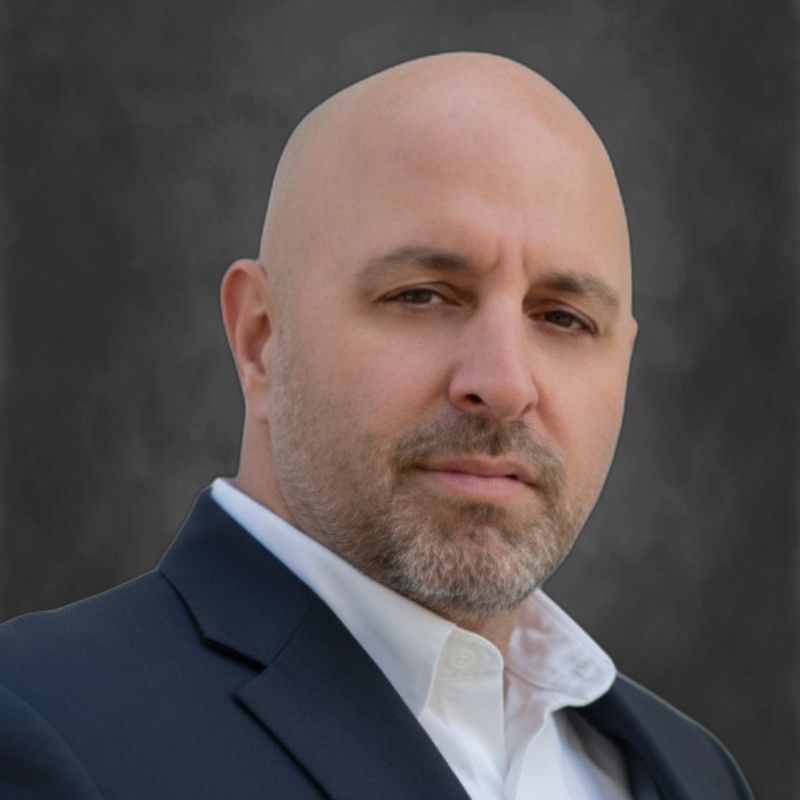
CEO/Co-Founder @ Oatmeal Health | AI Lung Cancer Screening | Almost Became a Doctor | Engineer | Follow to Share What I’ve Learned Along the Way
I help patients get the care they need earlier, preventing late-stage cancer.
That’s been the throughline across three companies and almost 20 years in healthcare. At ReferralMD, we fixed broken referral networks so patients didn’t fall through the cracks. At Oatmeal Health, it’s lung cancer: building the diagnostic and screening infrastructure so the 85% of cases caught too late get caught early instead.
Today as CEO of Oatmeal Health, I lead a team embedding AI into radiology workflows to turn routine lung CT scans into reimbursable cancer risk assessments. We partner with FQHCs to reach underserved communities, and with health systems and payers to make early detection economically sustainable. Think HeartFlow or Cleerly, but for lungs.
Between companies, I advised at Techstars and Plug and Play, mentoring founders building in digital health. That experience shaped how I think about what separates companies that ship from companies that stall: distribution, reimbursement, and clinical trust, not just technology.
I’m a CancerX alumnus, a 3x healthcare founder, and someone who believes the biggest problems in cancer aren’t scientific. They’re operational.
We’re hiring mission-driven builders at Oatmeal Health. If you want to work on something that matters, reach out.
When I’m not working, I’m traveling, mentoring, and keeping up with one very energetic husky. 🐾
Substack – The Oatmeal Bite:
Millions of patients get less care because of who they are, where they live, or how they look. I’m fighting to change that. CEO @OatmealHealth, a startup built for the underserved. The Oatmeal Bite: intel for clinicians, investors, and advocates.
Jonathan Govette
CEO of Oatmeal Health
Substack:
https://oatmealhealthjonathangovette.substack.com/