Share this article and save a life!
Medicaid work rules are now live. Here is what that means.
On May 1, 2026, Nebraska became the first state in the country to enforce Medicaid work requirements under the federal reconciliation law.
Here is the core rule: able-bodied adults ages 19 to 64 on Medicaid expansion must now document at least 80 hours per month of qualifying activity, including paid work, school, job training, or volunteering. If they cannot prove it, they risk disenrollment.
On paper, most of these adults already qualify. KFF estimates roughly 65% of expansion adults without dependent children already work 80 or more hours per month.
So why is this still a major problem?
Because the coverage losses are not going to come from people who do not work. They are going to come from people who cannot navigate the paperwork.
Historical data from Arkansas, the only other state to implement work requirements before they were struck down in 2019, tells a clear story. Tens of thousands lost coverage. Employment rates did not meaningfully change. Most of those who were disenrolled were actually working, they just could not document it correctly.
KFF now projects that national Medicaid work requirements, rolling out state by state through 2027, could leave 7.5 million more Americans uninsured by 2034. Of that, 5.3 million would be directly attributable to work requirement disenrollments.
For FQHCs and safety-net providers, this is not a distant policy debate. It is an operational reality arriving right now.
Patients who lose Medicaid do not disappear. They show up at community health centers, urgent care clinics, and emergency rooms, uninsured, with more advanced illness, and less ability to pay.
The administrative burden also lands on providers. Enrollment counselors, front-desk staff, and care navigators will be asked to help patients document hours, apply for exemptions, and appeal denials, often without additional resources to do it.
CMS is also phasing in enforcement in Montana in July 2026, Iowa in December 2026, and additional states through 2027.
The question every FQHC and clinic leader should be asking right now is simple: are we ready for the wave of uninsured patients this policy is going to create?
Because the data strongly suggests it is coming, and the communities most affected are exactly the ones our safety-net system was built to serve.
♻️ Repost if Medicaid paperwork should never be the reason someone loses their health coverage.
👉 Follow me, Jonathan Govette, for daily, real-time updates on healthcare technology and business news. LinkedIn Profile: https://www.linkedin.com/in/jonathangovette/
Share this article and save a life!
Author:
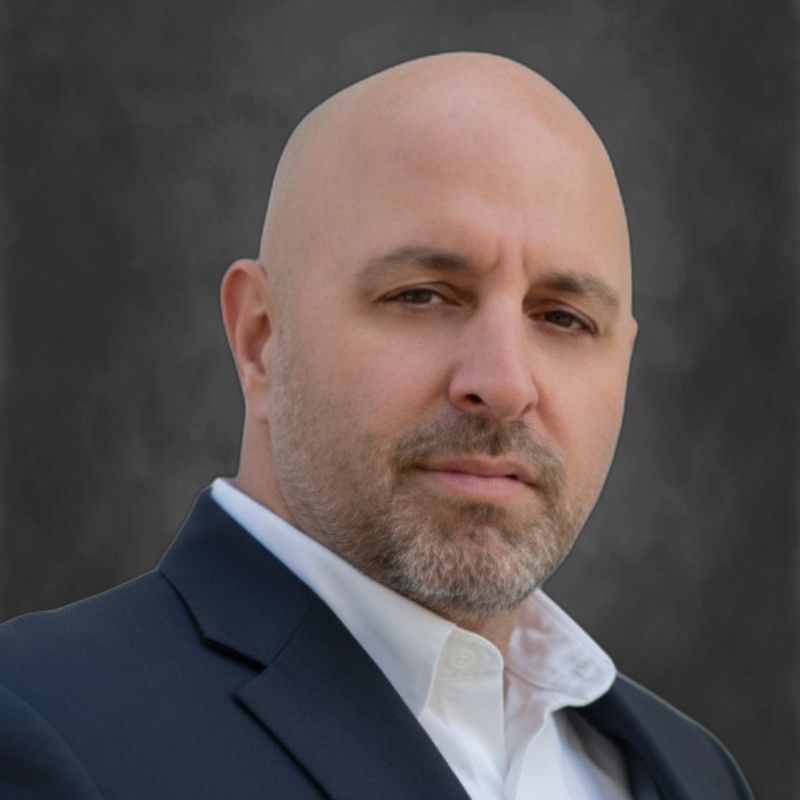
CEO/Co-Founder @ Oatmeal Health | AI Lung Cancer Screening | Almost Became a Doctor | Engineer | Follow to Share What I’ve Learned Along the Way
I help patients get the care they need earlier, preventing late-stage cancer.
That’s been the throughline across three companies and almost 20 years in healthcare. At ReferralMD, we fixed broken referral networks so patients didn’t fall through the cracks. At Oatmeal Health, it’s lung cancer: building the diagnostic and screening infrastructure so the 85% of cases caught too late get caught early instead.
Today as CEO of Oatmeal Health, I lead a team embedding AI into radiology workflows to turn routine lung CT scans into reimbursable cancer risk assessments. We partner with FQHCs to reach underserved communities, and with health systems and payers to make early detection economically sustainable. Think HeartFlow or Cleerly, but for lungs.
Between companies, I advised at Techstars and Plug and Play, mentoring founders building in digital health. That experience shaped how I think about what separates companies that ship from companies that stall: distribution, reimbursement, and clinical trust, not just technology.
I’m a CancerX alumnus, a 3x healthcare founder, and someone who believes the biggest problems in cancer aren’t scientific. They’re operational.
We’re hiring mission-driven builders at Oatmeal Health. If you want to work on something that matters, reach out.
When I’m not working, I’m traveling, mentoring, and keeping up with one very energetic husky. 🐾
Substack – The Oatmeal Bite:
Millions of patients get less care because of who they are, where they live, or how they look. I’m fighting to change that. CEO @OatmealHealth, a startup built for the underserved. The Oatmeal Bite: intel for clinicians, investors, and advocates.
Jonathan Govette
CEO of Oatmeal Health
Substack:
https://oatmealhealthjonathangovette.substack.com/