Share this article and save a life!
Millions may lose Medicaid, not for being unemployed, but for paperwork.
Nebraska launched the country’s first federally mandated Medicaid work requirement on May 1, 2026. Covered expansion adults ages 19 to 64 now must document 80 hours per month of work, volunteering, school, or job training, or risk losing their coverage.
On the surface, that sounds simple. In practice, it is a bureaucratic gauntlet.
Estimates for Nebraska alone range from 16,000 to 41,000 people losing coverage. The Nebraska Hospital Association says 30 to 40 percent of the state’s 70,000 expansion enrollees may require manual verification. One FQHC in Nebraska, Bluestem Health, estimates 10 to 15 percent of its 8,400 Medicaid patients could be disenrolled, costing the clinic up to $600,000 annually.
And this is just one state.
🔎 Nationally, KFF projects that Medicaid work requirements will account for 5.3 million of the 7.5 million people expected to become uninsured from Medicaid changes by 2034. The Congressional Budget Office puts the coverage loss number from work requirements alone at 4.8 million over 10 years.
Here is the part that deserves serious attention from healthcare leaders.
In prior state pilot programs, people lost coverage not because they stopped working, but because they could not adequately prove they were working. Lost mail, clunky IT portals, missed renewal notices, and confusing documentation requirements knocked eligible people off the rolls. The administrative failure rate was significant.
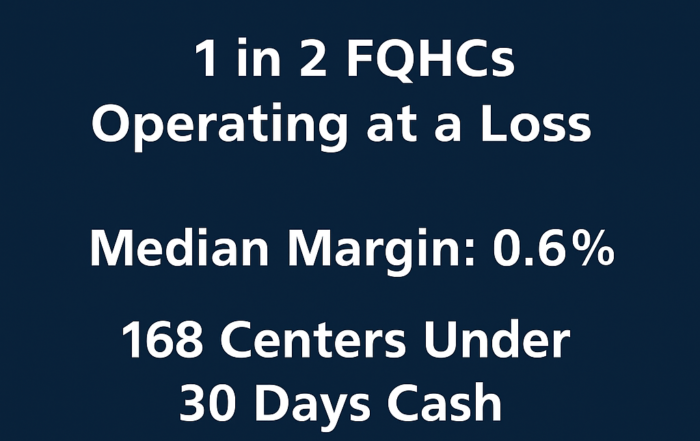
For FQHCs, community health centers, and safety-net hospitals, that means a predictable surge in uninsured, uncompensated care patients. Clinics that already operate on thin margins will see both revenue pressure and higher patient volume from the same policy change.
Montana starts July 1, 2026. Iowa starts December 1, 2026. The national rollout for all 40 expansion states hits January 1, 2027.
💡 The hardest part of all this is not the policy intention. It is the execution gap between what policymakers assume and what low-income working adults actually experience when navigating state systems under pressure.
Every healthcare leader serving Medicaid populations needs a plan right now, before enrollment starts dropping and the uncompensated care tab starts climbing.
What is your organization doing to prepare?
♻️ Repost if every healthcare leader should understand what happens when paperwork, not employment, drives people off coverage.
👉 Follow me for daily, real-time updates on healthcare technology and business news.
Share this article and save a life!
Author:
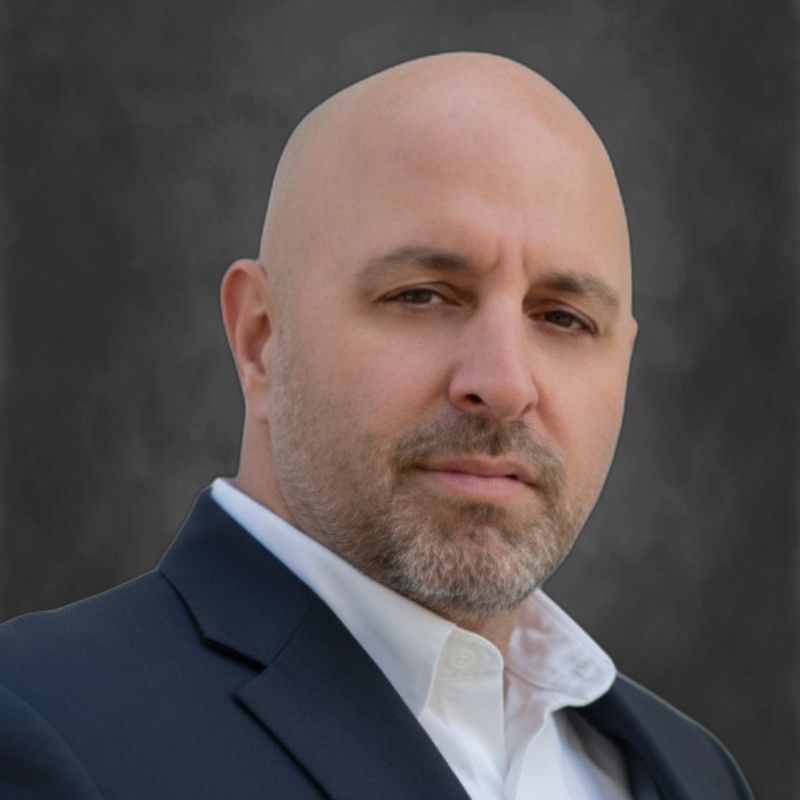
CEO/Co-Founder @ Oatmeal Health | AI Lung Cancer Screening | Almost Became a Doctor | Engineer | Follow to Share What I’ve Learned Along the Way
I help patients get the care they need earlier, preventing late-stage cancer.
That’s been the throughline across three companies and almost 20 years in healthcare. At ReferralMD, we fixed broken referral networks so patients didn’t fall through the cracks. At Oatmeal Health, it’s lung cancer: building the diagnostic and screening infrastructure so the 85% of cases caught too late get caught early instead.
Today as CEO of Oatmeal Health, I lead a team embedding AI into radiology workflows to turn routine lung CT scans into reimbursable cancer risk assessments. We partner with FQHCs to reach underserved communities, and with health systems and payers to make early detection economically sustainable. Think HeartFlow or Cleerly, but for lungs.
Between companies, I advised at Techstars and Plug and Play, mentoring founders building in digital health. That experience shaped how I think about what separates companies that ship from companies that stall: distribution, reimbursement, and clinical trust, not just technology.
I’m a CancerX alumnus, a 3x healthcare founder, and someone who believes the biggest problems in cancer aren’t scientific. They’re operational.
We’re hiring mission-driven builders at Oatmeal Health. If you want to work on something that matters, reach out.
When I’m not working, I’m traveling, mentoring, and keeping up with one very energetic husky. 🐾
Substack – The Oatmeal Bite:
Millions of patients get less care because of who they are, where they live, or how they look. I’m fighting to change that. CEO @OatmealHealth, a startup built for the underserved. The Oatmeal Bite: intel for clinicians, investors, and advocates.
Jonathan Govette
CEO of Oatmeal Health
Substack:
https://oatmealhealthjonathangovette.substack.com/