Share this article and save a life!
Doctors spend 45 hours a week on prior auth. AI is ending that.
Let that number sink in.
The American Medical Association found that physicians and their staff spend an average of 45 hours per week, per practice, navigating prior authorization requests. That is more than one full-time employee dedicated entirely to asking insurance companies for permission to treat patients.
And the cost is staggering. U.S. providers collectively spend over $13 billion annually managing prior authorization workflows, according to CAQH industry data. That is money that is not going into care delivery, staffing, or technology.
But 2026 is shaping up to be a turning point.
CMS prior authorization interoperability rules that took effect this year now require payers to respond to standard electronic prior auth requests within 72 hours for urgent cases and 7 days for non-urgent ones. Payers must also expose their prior auth requirements through standardized APIs, making automated submission finally possible at scale.
This regulatory shift opened the door for a new generation of AI-powered platforms to step in.
Companies like Cohere Health, which raised $90 million in 2024 and has continued expanding in 2026, use clinical AI to review prior auth requests against payer criteria in real time, submitting complete documentation automatically and flagging cases likely to be denied before they are ever submitted. The result for health systems is fewer denials, faster approvals, and significantly less staff time burned on phone queues.
For FQHCs and community health centers, this matters even more. These organizations already operate on razor-thin margins and rarely have the administrative infrastructure that large hospital systems do. A single denied authorization for a high-cost imaging study or specialty referral can delay care for weeks and create downstream costs far exceeding the original service.
AI prior authorization tools are not just a productivity play. They are a care access play.
Here is what healthcare leaders should be thinking about right now.
First, the CMS API mandate means your payers now have to expose their criteria. If your revenue cycle team is not yet using that data to pre-screen authorizations before submission, you are leaving approval rates on the table.
Second, AI does not replace clinical judgment here. It handles the documentation, the formatting, the criteria matching. Your clinicians still make the treatment decision. The AI just stops that decision from being buried in a fax queue.
Third, denial rates in some specialties still exceed 20 to 30 percent on first submission. AI-assisted workflows are showing first-pass approval rates 15 to 25 percentage points higher than manual processes in early health system deployments.
The prior authorization system was not designed for modern medicine. It was designed for a fee-for-service world that ran on paper and phone calls.
The technology is finally catching up.
The real question is not whether AI can fix prior auth. It clearly can. The question is which organizations will move fast enough to stop letting administrative friction be the reason patients wait longer for care they already need.
♻️ Repost if prior authorization delays are costing your patients more than just time.
👉 Follow me for daily, real-time updates on healthcare technology and business news.
Share this article and save a life!
Author:
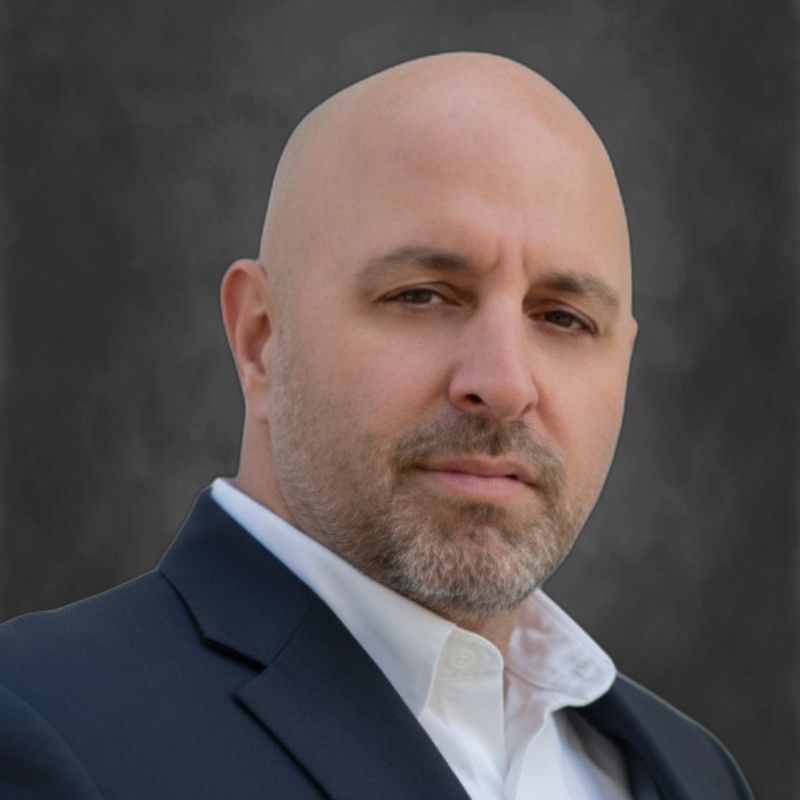
CEO/Co-Founder @ Oatmeal Health | AI Lung Cancer Screening | Almost Became a Doctor | Engineer | Follow to Share What I’ve Learned Along the Way
I help patients get the care they need earlier, preventing late-stage cancer.
That’s been the throughline across three companies and almost 20 years in healthcare. At ReferralMD, we fixed broken referral networks so patients didn’t fall through the cracks. At Oatmeal Health, it’s lung cancer: building the diagnostic and screening infrastructure so the 85% of cases caught too late get caught early instead.
Today as CEO of Oatmeal Health, I lead a team embedding AI into radiology workflows to turn routine lung CT scans into reimbursable cancer risk assessments. We partner with FQHCs to reach underserved communities, and with health systems and payers to make early detection economically sustainable. Think HeartFlow or Cleerly, but for lungs.
Between companies, I advised at Techstars and Plug and Play, mentoring founders building in digital health. That experience shaped how I think about what separates companies that ship from companies that stall: distribution, reimbursement, and clinical trust, not just technology.
I’m a CancerX alumnus, a 3x healthcare founder, and someone who believes the biggest problems in cancer aren’t scientific. They’re operational.
We’re hiring mission-driven builders at Oatmeal Health. If you want to work on something that matters, reach out.
When I’m not working, I’m traveling, mentoring, and keeping up with one very energetic husky. 🐾
Substack – The Oatmeal Bite:
Millions of patients get less care because of who they are, where they live, or how they look. I’m fighting to change that. CEO @OatmealHealth, a startup built for the underserved. The Oatmeal Bite: intel for clinicians, investors, and advocates.
Jonathan Govette
CEO of Oatmeal Health
Substack:
https://oatmealhealthjonathangovette.substack.com/