Share this article and save a life!
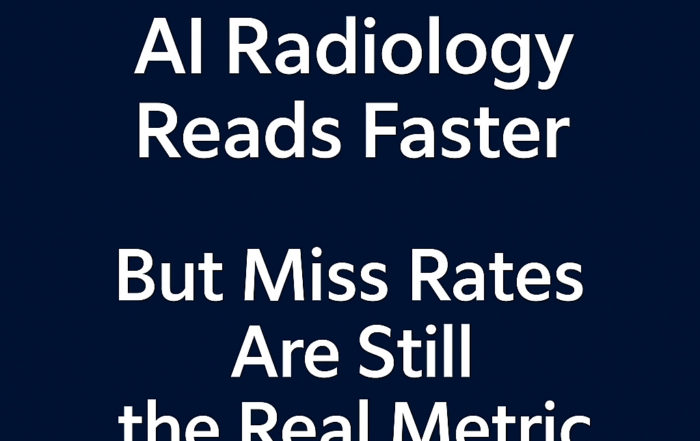
Your AI scribe just documented something it never heard.
Ambient AI is one of the fastest growing technologies in healthcare right now. Hospitals and clinics across the country are rolling out tools like Nuance DAX, Ambience Healthcare, Abridge, and Nabla to reduce physician burnout and cut documentation time.
And the early results are genuinely impressive. Physicians report saving 60 to 90 minutes per day. Satisfaction scores are up. Burnout is down.
But here is the question almost no one is asking out loud:
What happens when the AI gets it wrong?
A growing number of clinicians are quietly flagging instances where ambient AI tools have generated inaccurate summaries, missed critical nuance, or in some cases, documented clinical details that were never actually spoken during the visit.
This is not a hypothetical risk. It is a documentation integrity problem with real patient safety implications.
Here is what makes this particularly complex:
– Most physicians do not re-read every AI generated note before signing it. The whole point is to save time.
– Payers and auditors are already using these notes to make coverage and coding decisions.
– Malpractice attorneys are beginning to ask whether a signed AI generated note creates a new kind of liability exposure.
The Joint Commission and CMS have not yet issued formal guidance specific to ambient AI documentation. Most health systems are writing their own internal policies, which vary widely.
And the EHR vendors integrating these tools? Many contracts place liability squarely on the provider, not the AI company.
🧠 Here is the deeper issue. Ambient AI is being adopted at the speed of a startup, but healthcare documentation has always carried the weight of a regulated industry. Those two realities have not been reconciled yet.
Physicians are being asked to serve as the quality control layer for a system that was sold to them as a way to eliminate that burden.
Health systems need to move beyond pilot programs and ROI metrics. They need to build structured auditing processes for AI generated notes, establish clear escalation protocols when errors are found, and get ahead of the liability question before a case forces the issue.
The technology is not the problem. The governance gap is.
💬 Have you or your team caught an error in an AI generated clinical note? What was your organization’s response?
👉 Follow Jonathan Govette, CEO of Oatmeal Health, for daily healthcare insights on LinkedIn. Deeper dives in The Oatmeal Bite on Substack: https://oatmealhealthjonathangovette.substack.com
Share this article and save a life!
Author:
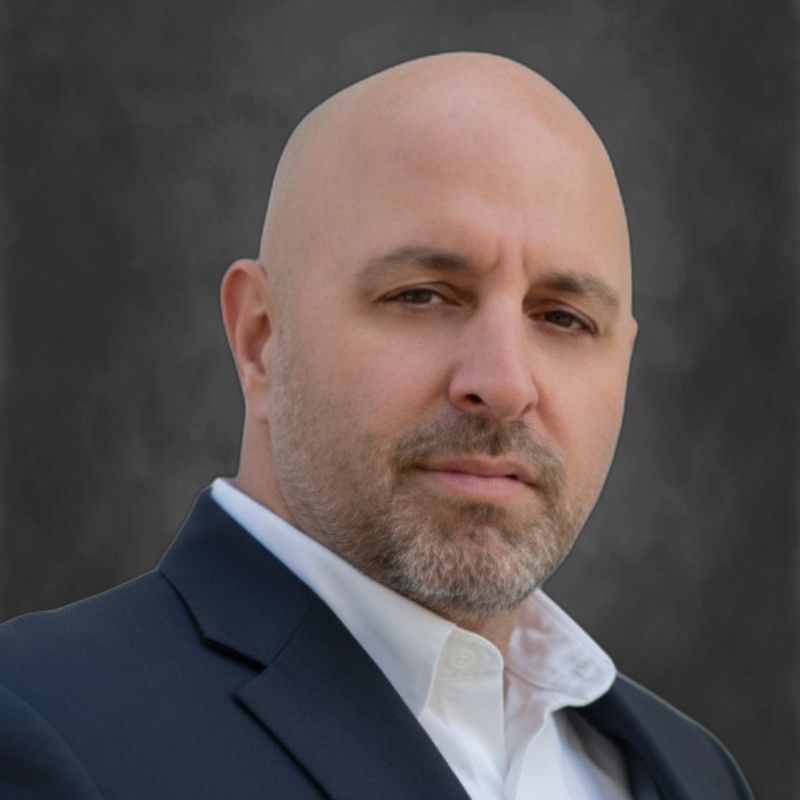
CEO/Co-Founder @ Oatmeal Health | AI Lung Cancer Screening | Almost Became a Doctor | Engineer | Follow to Share What I’ve Learned Along the Way