Share this article and save a life!
$867,465,287. That is the size of the federal Medicaid deferral CMS just dropped on California. 🚨
Not a rumor. Not a threat. A signed letter to California State Medicaid Director Tyler Sadwith dated July 21, 2026.
According to FQHC Talent, CMS withheld $709,311,454 in federal medical assistance and $158,153,833 in administrative funds, structured as a negative grant award for Q2 FY2026.
Here is what you need to know before you panic, or before you dismiss it.
💡 This is NOT a direct cut to your health center.
No FQHC is named anywhere in the letter. Nothing in it changes PPS rates or health-center payment methodology. That matters. A lot of people in our space are reading headlines and drawing the wrong conclusions.
What this IS is pressure on the Medi-Cal funding channel that California FQHCs are paid through. Different problem, still real.
The numbers behind the deferral:
– Largest single line: Community First Choice personal care services at $646,373,682
– $237,549,233 flagged as statistical outliers
– $25,149,396 where a provider billed for four or more beneficiaries
– $19,178,403 adjudicated more than a year after date of service
– Two smaller lines touch the undocumented and unsatisfactory-immigration-status populations FQHCs serve heavily: $12,038,376 in supplemental payments and $4,118,159 in FFS claims
⚠️ All 12 deferrals are marked REPEAT.
This is not a new category of federal objection. It is an escalating documentation dispute between CMS and the California Department of Health Care Services. That context is everything.
And California is not alone. According to FQHC Talent, the same week CMS deferred $199 million from Minnesota, bringing the two-state total above $1 billion.
Deadlines are live. CFC-PCS sample documentation is due to CMS by July 31. The state has 60 days from receipt on the remaining claims to avoid disallowance, with a possible 60-day extension under 42 CFR 430.40.
Here is what I keep coming back to.
Community health centers serve the exact populations sitting at the center of this dispute. Undocumented adults. People in home-based care. Folks who do not have clean documentation trails. These are our patients.
The state budget pressure that follows a deferral of this size does not stay abstract. It finds its way into rate negotiations, supplemental payment programs, and budget line items that eventually touch the revenue our centers depend on.
This is not the moment to watch from a distance. It is the moment to understand the mechanics, track the state’s response, and make sure your finance and compliance teams are not caught off guard when the downstream effects start moving.
👉 Follow Jonathan Govette, CEO of Oatmeal Health, for daily healthcare insights on LinkedIn. Deeper dives in The Oatmeal Bite on Substack: https://news.oatmealhealth.com
Share this article and save a life!
Author:
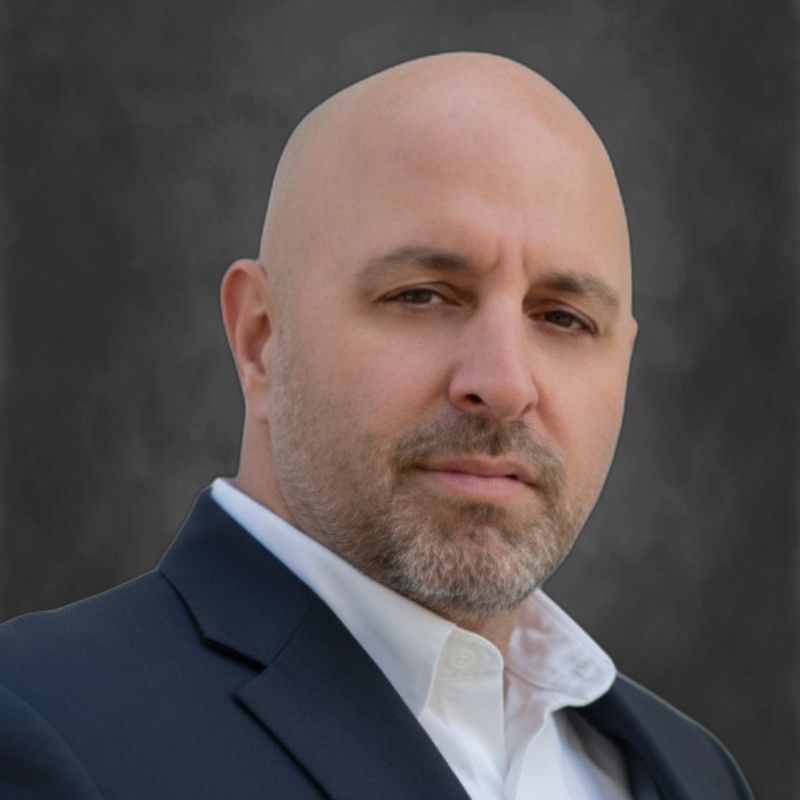
CEO/Co-Founder @ Oatmeal Health | AI Lung Cancer Screening | Almost Became a Doctor | Engineer | Follow to Share What I’ve Learned Along the Way
I help patients get the care they need earlier, preventing late-stage cancer.
That’s been the throughline across three companies and almost 20 years in healthcare. At ReferralMD, we fixed broken referral networks so patients didn’t fall through the cracks. At Oatmeal Health, it’s lung cancer: building the diagnostic and screening infrastructure so the 85% of cases caught too late get caught early instead.
Today as CEO of Oatmeal Health, I lead a team embedding AI into radiology workflows to turn routine lung CT scans into reimbursable cancer risk assessments. We partner with FQHCs to reach underserved communities, and with health systems and payers to make early detection economically sustainable. Think HeartFlow or Cleerly, but for lungs.
Between companies, I advised at Techstars and Plug and Play, mentoring founders building in digital health. That experience shaped how I think about what separates companies that ship from companies that stall: distribution, reimbursement, and clinical trust, not just technology.
I’m a CancerX alumnus, a 3x healthcare founder, and someone who believes the biggest problems in cancer aren’t scientific. They’re operational.
We’re hiring mission-driven builders at Oatmeal Health. If you want to work on something that matters, reach out.
When I’m not working, I’m traveling, mentoring, and keeping up with one very energetic husky. 🐾
Substack – The Oatmeal Bite:
Millions of patients get less care because of who they are, where they live, or how they look. I’m fighting to change that. CEO @OatmealHealth, a startup built for the underserved. The Oatmeal Bite: intel for clinicians, investors, and advocates.
Jonathan Govette
CEO of Oatmeal Health
Substack:
https://oatmealhealthjonathangovette.substack.com/