Share this article and save a life!
A sign on the door. No warning. Five FQHC clinics just went dark. 🚨
The sign at the Berkeley Springs location read: “Our Office is facing an organizational emergency and our doors will be closed until further notice.”
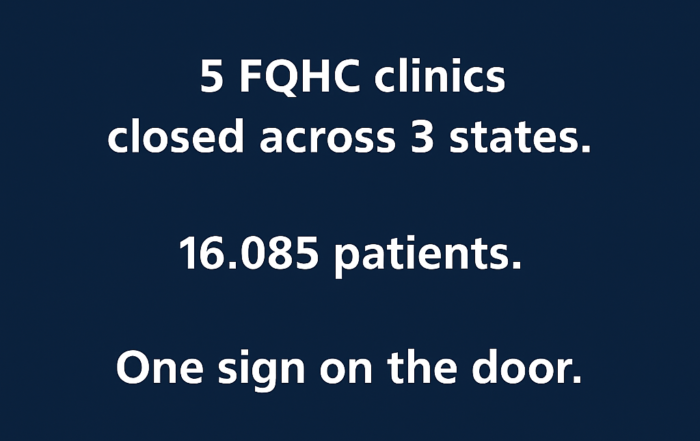
That is not a press release. That is a handwritten notice taped to a door of a community health center that served 16,085 patients last year.
This week, Tri-State Community Health Centers shut down five clinic locations across West Virginia, Maryland, and Pennsylvania with almost no notice. Patients showed up to appointments and found locked doors in Berkeley Springs, Hancock, Cumberland, and McConnellsburg.
According to the Morgan Messenger, the closures were triggered by federal administrative requirements from HRSA, the U.S. Health Resources and Services Administration.
🔹 Five clinic locations closed across three states
🔹 Tri-State served 16,085 patients in 2025
🔹 70.8% of those patients had income at or below 200% of the federal poverty guideline
🔹 Patients include 2,123 children, 10,795 adults aged 19 to 64, and 3,167 older adults
🔹 A new interim CEO started just last week
The interim CEO, David Olson, told the Morgan Messenger that HRSA “started to make changes about how they deal with issues” at health centers roughly six months ago. He said they have been in regular contact with the agency and submitted information needed to reopen.
He does not expect normal operations to resume until next week at the earliest.
Here is what hits me about this story.
FQHCs operate on razor-thin margins. They do not have legal departments and compliance armies on standby. They have clinic managers and patient navigators and nurses who are already stretched thin serving people who have nowhere else to go. When a federal compliance clock starts ticking, most of these centers do not have the infrastructure to respond at the speed the government expects.
And the patients who suffer are not people with options.
Medicaid recipients. Uninsured adults. Children. Elderly patients. People for whom a locked clinic door is not an inconvenience. It is a gap in care that may take months to bridge.
I am not pointing fingers at HRSA. Oversight exists for good reasons. But the way compliance issues resolve in the FQHC world sometimes looks like collateral damage falling entirely on the most vulnerable patients in the country.
Tri-State has been incorporated since 1987. Nearly four decades of serving medically underserved communities in the Appalachian region. That track record matters.
The real question is whether federal oversight systems are designed to protect patients or just enforce rules. Because right now, five communities learned the hard way that those two goals can come apart.
👉 Follow Jonathan Govette, CEO of Oatmeal Health, for daily healthcare insights on LinkedIn. Deeper dives in The Oatmeal Bite on Substack: https://news.oatmealhealth.com
Share this article and save a life!
Author:
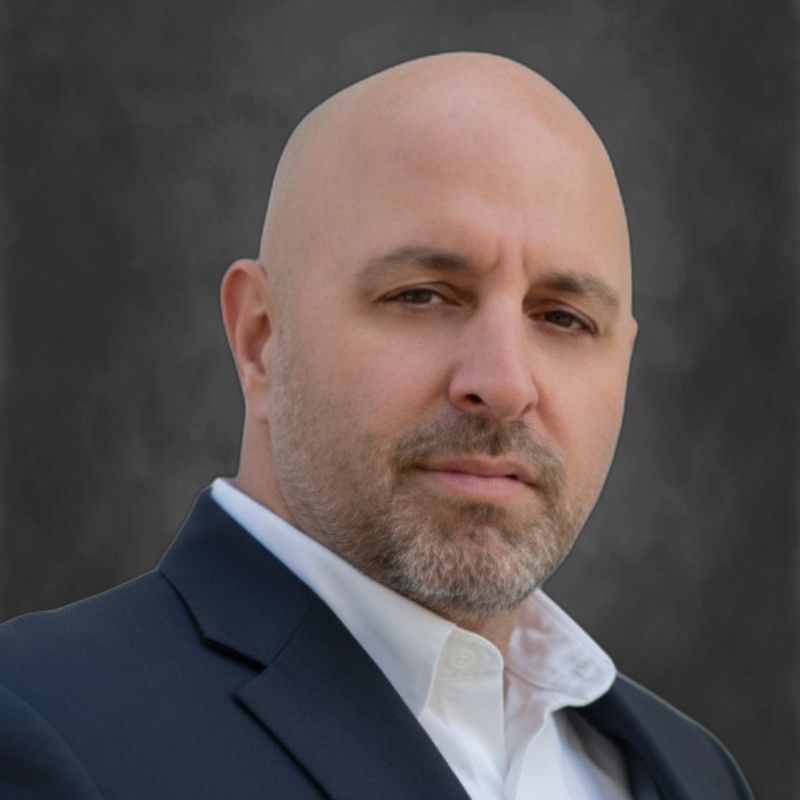
CEO/Co-Founder @ Oatmeal Health | AI Lung Cancer Screening | Almost Became a Doctor | Engineer | Follow to Share What I’ve Learned Along the Way
I help patients get the care they need earlier, preventing late-stage cancer.
That’s been the throughline across three companies and almost 20 years in healthcare. At ReferralMD, we fixed broken referral networks so patients didn’t fall through the cracks. At Oatmeal Health, it’s lung cancer: building the diagnostic and screening infrastructure so the 85% of cases caught too late get caught early instead.
Today as CEO of Oatmeal Health, I lead a team embedding AI into radiology workflows to turn routine lung CT scans into reimbursable cancer risk assessments. We partner with FQHCs to reach underserved communities, and with health systems and payers to make early detection economically sustainable. Think HeartFlow or Cleerly, but for lungs.
Between companies, I advised at Techstars and Plug and Play, mentoring founders building in digital health. That experience shaped how I think about what separates companies that ship from companies that stall: distribution, reimbursement, and clinical trust, not just technology.
I’m a CancerX alumnus, a 3x healthcare founder, and someone who believes the biggest problems in cancer aren’t scientific. They’re operational.
We’re hiring mission-driven builders at Oatmeal Health. If you want to work on something that matters, reach out.
When I’m not working, I’m traveling, mentoring, and keeping up with one very energetic husky. 🐾
Substack – The Oatmeal Bite:
Millions of patients get less care because of who they are, where they live, or how they look. I’m fighting to change that. CEO @OatmealHealth, a startup built for the underserved. The Oatmeal Bite: intel for clinicians, investors, and advocates.
Jonathan Govette
CEO of Oatmeal Health
Substack:
https://oatmealhealthjonathangovette.substack.com/