Share this article and save a life!
Bigger hospitals are not automatically better hospitals. 🏥
But the industry keeps acting like they are.
This week, Rush University System for Health and Endeavor Health announced plans to merge into what would be one of the largest health systems in Illinois. According to Healthcare Dive, the combined entity would control 12 hospitals and 400 outpatient clinics across Chicagoland, with the transaction expected to close in early 2027, pending regulatory review.
The headline number is striking: Endeavor plans to funnel a $1 billion investment into research, community care, quality, and innovation initiatives as part of the deal.
That sounds generous. But before we applaud, look at the actual financial picture.
🔹 Endeavor brought in more than $663 million in net income during its most recent fiscal year.
🔹 Rush brought in $294 million in net income in the twelve months ended June 30, up 57% year over year.
🔹 Neither system is struggling. This is not a rescue. This is a consolidation by two profitable institutions.
According to Healthcare Dive, Endeavor was formed in 2022 from the merger of North Shore University Health System and Edward-Elmhurst Healthcare. That is one merger, now folding into another. This is a pattern, not an anomaly.
So why does this bother me?
Because the framing of mergers like this is almost always the same. Community investment. Innovation. Strengthened access. The press release is indistinguishable from any other hospital combination in the last decade. And yet consolidation research consistently shows that patients in concentrated hospital markets pay more, not less.
⚠️ The counterpoint is real: scale does allow for investment in research infrastructure, shared technology platforms, and the kind of academic medical leverage that smaller systems cannot achieve alone. Rush’s flagship medical center has been repeatedly named one of the top hospitals in the country. That reputation matters. Bringing it to a wider network is not nothing.
But here is where I push back. If a system generates $663 million in net income in a single year, it does not need a merger to fund community care. It can fund community care right now, today, without combining its board governance with a competitor and spending two years in regulatory review.
The $1 billion community pledge is spread over the life of a combined system. The net income was last year alone.
The framing of this deal as a “marriage of equals” is revealing. Endeavor’s CEO J.P. Gallagher is taking the top job. But the combined system will operate under the Rush name because of its “strong national reputation.” That is not a merger of equals. That is an acquisition with polite language around it.
I am not saying this deal is wrong. Regulatory review exists precisely to evaluate whether combined systems reduce competition in ways that harm patients. That process should be rigorous, and it should be watched closely.
What I am saying is this: scale is a tool. It is not a strategy. A 12-hospital system with misaligned incentives delivers worse care than a 3-hospital system with clear mission alignment and accountability to the communities it serves.
The Chicago market is about to get a dominant player. Regulators owe the public a real answer on what that means for prices, access, and the independent safety-net providers who will now negotiate from a weaker position.
👉 Follow Jonathan Govette, CEO of Oatmeal Health, for daily healthcare insights on LinkedIn. Deeper dives in The Oatmeal Bite on Substack: https://news.oatmealhealth.com
Share this article and save a life!
Author:
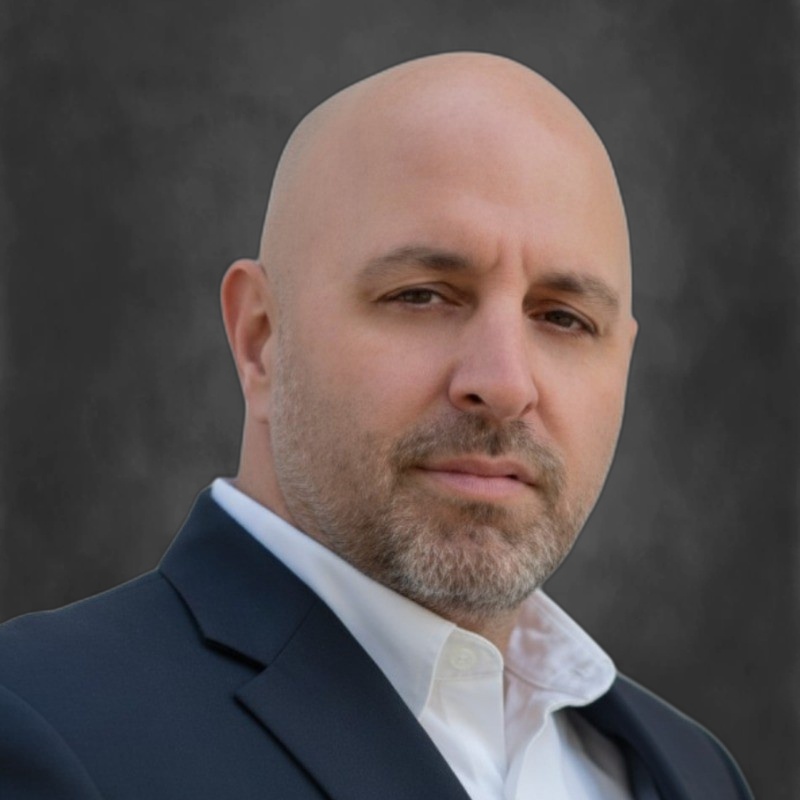
CEO/Co-Founder @ Oatmeal Health | AI Lung Cancer Screening | Almost Became a Doctor | Engineer | Follow to Share What I’ve Learned Along the Way
I help patients get the care they need earlier, preventing late-stage cancer.
That’s been the throughline across three companies and almost 20 years in healthcare. At ReferralMD, we fixed broken referral networks so patients didn’t fall through the cracks. At Oatmeal Health, it’s lung cancer: building the diagnostic and screening infrastructure so the 85% of cases caught too late get caught early instead.
Today as CEO of Oatmeal Health, I lead a team embedding AI into radiology workflows to turn routine lung CT scans into reimbursable cancer risk assessments. We partner with FQHCs to reach underserved communities, and with health systems and payers to make early detection economically sustainable. Think HeartFlow or Cleerly, but for lungs.
Between companies, I advised at Techstars and Plug and Play, mentoring founders building in digital health. That experience shaped how I think about what separates companies that ship from companies that stall: distribution, reimbursement, and clinical trust, not just technology.
I’m a CancerX alumnus, a 3x healthcare founder, and someone who believes the biggest problems in cancer aren’t scientific. They’re operational.
We’re hiring mission-driven builders at Oatmeal Health. If you want to work on something that matters, reach out.
When I’m not working, I’m traveling, mentoring, and keeping up with one very energetic husky. 🐾
Substack – The Oatmeal Bite:
Millions of patients get less care because of who they are, where they live, or how they look. I’m fighting to change that. CEO @OatmealHealth, a startup built for the underserved. The Oatmeal Bite: intel for clinicians, investors, and advocates.
Jonathan Govette
CEO of Oatmeal Health
Substack:
https://oatmealhealthjonathangovette.substack.com/