Share this article and save a life!
Every lung cancer screening system is perfectly designed for the results it achieves. Good or Bad.
What if you don’t have a system?
Per the team at the Medical University of South Carolina, a centralized approach to LCS is the way to go: “Emerging data suggest that annual adherence is poor and that a centralized approach to screening improves adherence.
[Within their study] Overall adherence was 56%; however, adherence in the centralized program was 70%, compared with 41% with the decentralized approach (P < .001).” Pubmed link: https://lnkd.in/g9StVnKR
A centralized approach has another critical benefit per Anil Vachani and the team at Penn Medicine, University of Pennsylvania Health System.
They share that we can begin to address equity with a centralized approach to lung cancer screening.
Black patients were less likely to receive annual LCS compared to White patients at decentralized compared to centralized LCS programs.
Pubmed link: https://lnkd.in/gJw6PGpB
Average % of patients that are screened for lung cancer
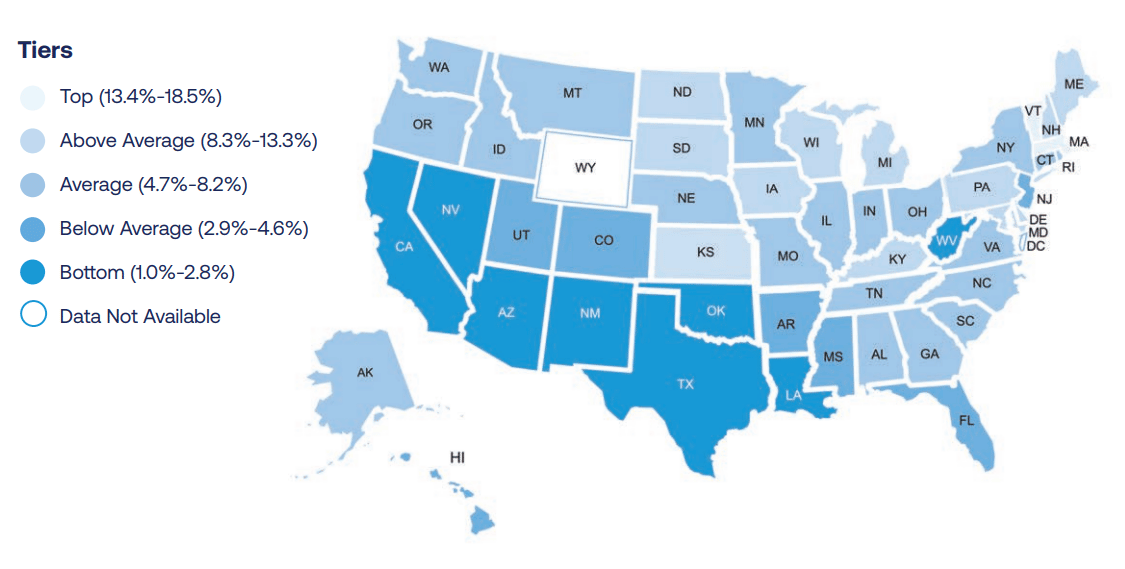
The national average for screening sits at around 4% percent while breast for example is at 70%. While 70% is much better, it’s still not 100%. Sites like Penn and MUSC are above the national average and we can learn from their early successes but OatmealHealth’s goal is to improve all image-based screenings, starting with lung, and get to as close to 100% as possible using a combination of machine learning, computer vision, and human kindness.
The reason why we are failing is simple, there is not enough time
At some point, it won’t be realistic to expect primary care providers to do ‘one more thing.’ due to limited time in their already packed schedule, as noted in an article Jonathan Govette wrote called “The Battle Between Primary Care and Time: The Doctors are Losing”. For us to change anything we need to look outside the four walls of our FQHCs and Hospitals and ask for help from those equipped to properly manage screenings, if we do not, our patients will suffer and costs will continue to rise.
What about the states that are blue on this map with the most work to do?
Oatmeal Health is working on it. Please send Jonathan Govette or Ty Vachon M.D. a note if you’d like to learn more.
Link to the comprehensive map shown above: American Lung Association – https://lnkd.in/g8UcaKHK
#primarycare #radiology #lungcancerscreening #LCS #FQHC #leadership #medicaid #medicare #hedis NCQA
Share this article and save a life!
Author:
CEO/Co-Founder @ Oatmeal Health | AI Lung Cancer Screening | Almost Became a Doctor | Engineer | Follow to Share What I’ve Learned Along the Way
I help patients get the care they need earlier, preventing late-stage cancer.
That’s been the throughline across three companies and almost 20 years in healthcare. At ReferralMD, we fixed broken referral networks so patients didn’t fall through the cracks. At Oatmeal Health, it’s lung cancer: building the diagnostic and screening infrastructure so the 85% of cases caught too late get caught early instead.
Today as CEO of Oatmeal Health, I lead a team embedding AI into radiology workflows to turn routine lung CT scans into reimbursable cancer risk assessments. We partner with FQHCs to reach underserved communities, and with health systems and payers to make early detection economically sustainable. Think HeartFlow or Cleerly, but for lungs.
Between companies, I advised at Techstars and Plug and Play, mentoring founders building in digital health. That experience shaped how I think about what separates companies that ship from companies that stall: distribution, reimbursement, and clinical trust, not just technology.
I’m a CancerX alumnus, a 3x healthcare founder, and someone who believes the biggest problems in cancer aren’t scientific. They’re operational.
We’re hiring mission-driven builders at Oatmeal Health. If you want to work on something that matters, reach out.
When I’m not working, I’m traveling, mentoring, and keeping up with one very energetic husky. 🐾
Substack – The Oatmeal Bite:
Millions of patients get less care because of who they are, where they live, or how they look. I’m fighting to change that. CEO @OatmealHealth, a startup built for the underserved. The Oatmeal Bite: intel for clinicians, investors, and advocates.
Jonathan Govette
CEO of Oatmeal Health
Substack:
https://oatmealhealthjonathangovette.substack.com/