Share this article and save a life!
“We’re ready to replace radiologists with AI tomorrow.”
That bombshell came from Mitchell Katz, CEO of NYC Health + Hospitals, at a recent healthcare panel.
His plan? Let AI handle first reads of mammograms and X-rays. Radiologists would only review flagged cases.
The numbers are compelling:
• 11 hospitals serving 1 million+ New Yorkers
• AI false negatives: only 3 in 10,000 screenings
• Potential for “major savings” on imaging costs
• Faster access for underserved communities
Westchester Medical’s CEO David Lubarsky agrees, claiming their AI already outperforms humans for low-risk mammography cases.
But radiologists are furious. 🔥
Dr. Mohammed Suhail called it evidence of “confidently uninformed administrators being duped by AI companies.”
Here’s what’s really happening:
We’re watching the collision of three massive forces in healthcare: the staffing crisis, the cost crisis, and the AI revolution.
Safety-net hospitals like NYC Health + Hospitals face impossible choices. They serve predominantly low-income patients who desperately need faster access to screening. But at what risk?
The regulatory barriers Katz mentioned aren’t just red tape, they’re guardrails. And once we cross this line, there’s no going back.
This isn’t about whether AI can read images. It’s about who decides what level of risk is acceptable for which populations.
Are we creating a two-tier system where wealthy patients get human radiologists while safety-net patients get algorithms?
The real question: When hospital CEOs prioritize “major savings” over clinical caution, who protects the patients?
♻️ Repost if AI in healthcare needs human oversight, not replacement
👉 Follow me, Jonathan Govette, for daily, real-time updates on healthcare technology and business news. LinkedIn Profile: https://www.linkedin.com/in/jonathangovette/
Share this article and save a life!
Author:
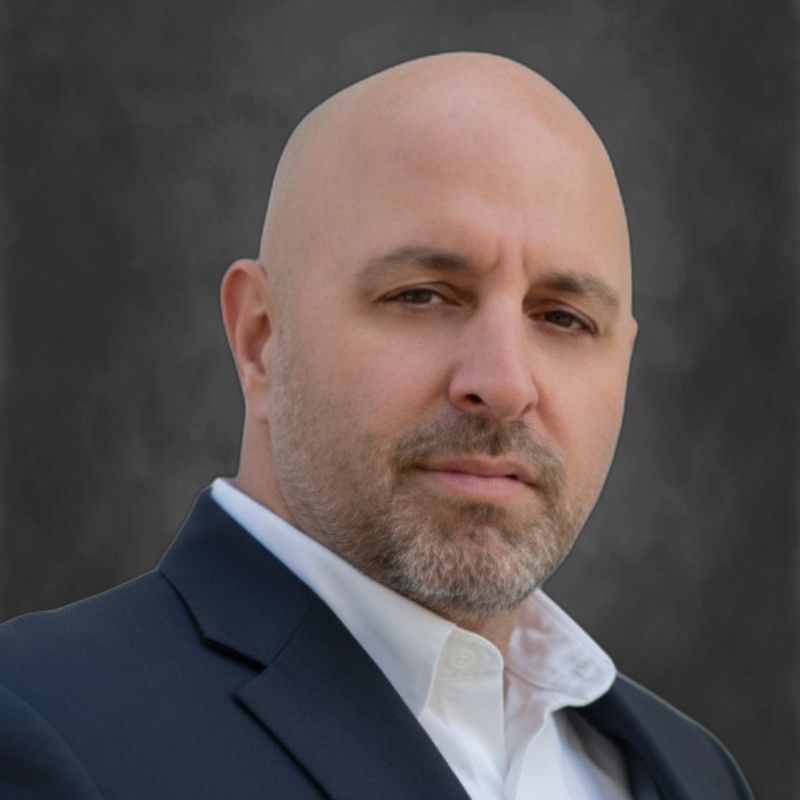
CEO/Co-Founder @ Oatmeal Health | AI Lung Cancer Screening | Almost Became a Doctor | Engineer | Follow to Share What I’ve Learned Along the Way
I help patients get the care they need earlier, preventing late-stage cancer.
That’s been the throughline across three companies and almost 20 years in healthcare. At ReferralMD, we fixed broken referral networks so patients didn’t fall through the cracks. At Oatmeal Health, it’s lung cancer: building the diagnostic and screening infrastructure so the 85% of cases caught too late get caught early instead.
Today as CEO of Oatmeal Health, I lead a team embedding AI into radiology workflows to turn routine lung CT scans into reimbursable cancer risk assessments. We partner with FQHCs to reach underserved communities, and with health systems and payers to make early detection economically sustainable. Think HeartFlow or Cleerly, but for lungs.
Between companies, I advised at Techstars and Plug and Play, mentoring founders building in digital health. That experience shaped how I think about what separates companies that ship from companies that stall: distribution, reimbursement, and clinical trust, not just technology.
I’m a CancerX alumnus, a 3x healthcare founder, and someone who believes the biggest problems in cancer aren’t scientific. They’re operational.
We’re hiring mission-driven builders at Oatmeal Health. If you want to work on something that matters, reach out.
When I’m not working, I’m traveling, mentoring, and keeping up with one very energetic husky. 🐾
Substack – The Oatmeal Bite:
Millions of patients get less care because of who they are, where they live, or how they look. I’m fighting to change that. CEO @OatmealHealth, a startup built for the underserved. The Oatmeal Bite: intel for clinicians, investors, and advocates.
Jonathan Govette
CEO of Oatmeal Health
Substack:
https://oatmealhealthjonathangovette.substack.com/