Share this article and save a life!
Missouri just voted to let doctors prescribe groceries.
Not vitamins. Not supplements. Actual food.
The Missouri House just passed bipartisan legislation creating a Medicaid “Food is Medicine” program. Doctors can now prescribe tailored meals, fresh produce, and nutrition services for patients with chronic conditions.
Here’s why this matters:
• $3.4 million investment could save millions in long-term healthcare costs
• Targets diabetes, hypertension, heart disease at the root cause
• Makes healthy food a covered medical benefit, not a luxury
• Bipartisan support shows nutrition is not a political issue
Think about it: We spend billions treating diabetes complications, but many patients can’t afford the healthy food that could prevent them.
📊 The math is simple:
Average annual cost of diabetes: $19,700 per patient
Average cost of food prescription program: $1,800 per patient
Potential savings: Over $15,000 per patient annually
This isn’t just about healthcare costs. It’s about recognizing that zip code determines health outcomes more than genetic code. When corner stores have more processed foods than produce, prescriptions alone won’t fix chronic disease.
Other states are watching. California, Massachusetts, and North Carolina have similar pilots. But Missouri, a traditionally conservative state, passing this with bipartisan support? That’s the real story.
The healthcare system is finally admitting what we’ve known all along: You can’t medicate your way out of a food desert.
Will your state be next to make groceries a covered benefit?
♻️ Repost if food should be considered medicine for chronic disease.
👉 Follow me, Jonathan Govette, for daily, real-time updates on healthcare technology and business news. LinkedIn Profile: https://www.linkedin.com/in/jonathangovette/
Share this article and save a life!
Author:
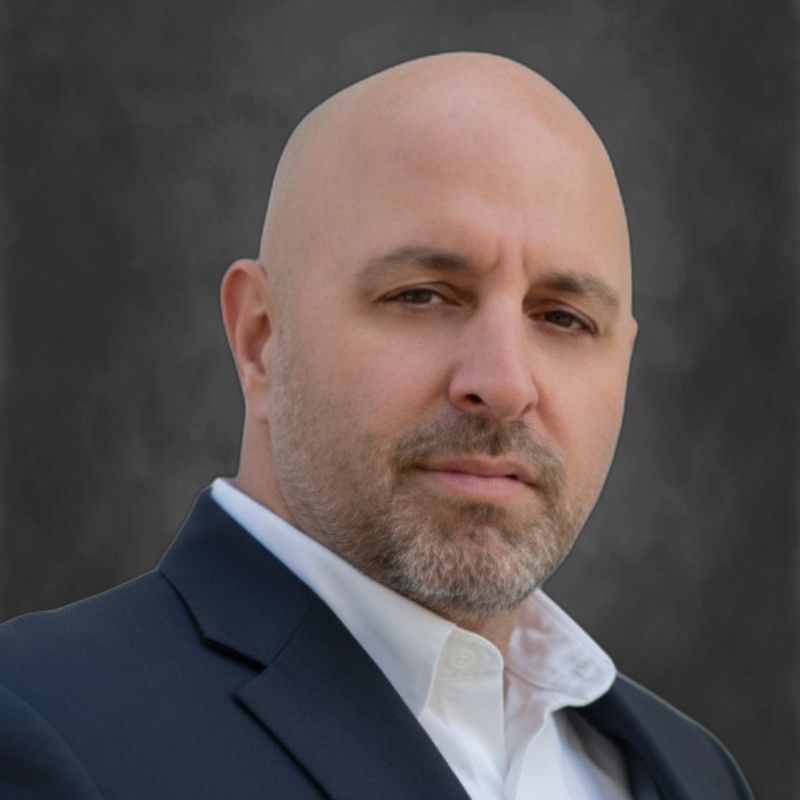
CEO/Co-Founder @ Oatmeal Health | AI Lung Cancer Screening | Almost Became a Doctor | Engineer | Follow to Share What I’ve Learned Along the Way
I help patients get the care they need earlier, preventing late-stage cancer.
That’s been the throughline across three companies and almost 20 years in healthcare. At ReferralMD, we fixed broken referral networks so patients didn’t fall through the cracks. At Oatmeal Health, it’s lung cancer: building the diagnostic and screening infrastructure so the 85% of cases caught too late get caught early instead.
Today as CEO of Oatmeal Health, I lead a team embedding AI into radiology workflows to turn routine lung CT scans into reimbursable cancer risk assessments. We partner with FQHCs to reach underserved communities, and with health systems and payers to make early detection economically sustainable. Think HeartFlow or Cleerly, but for lungs.
Between companies, I advised at Techstars and Plug and Play, mentoring founders building in digital health. That experience shaped how I think about what separates companies that ship from companies that stall: distribution, reimbursement, and clinical trust, not just technology.
I’m a CancerX alumnus, a 3x healthcare founder, and someone who believes the biggest problems in cancer aren’t scientific. They’re operational.
We’re hiring mission-driven builders at Oatmeal Health. If you want to work on something that matters, reach out.
When I’m not working, I’m traveling, mentoring, and keeping up with one very energetic husky. 🐾
Substack – The Oatmeal Bite:
Millions of patients get less care because of who they are, where they live, or how they look. I’m fighting to change that. CEO @OatmealHealth, a startup built for the underserved. The Oatmeal Bite: intel for clinicians, investors, and advocates.
Jonathan Govette
CEO of Oatmeal Health
Substack:
https://oatmealhealthjonathangovette.substack.com/