Share this article and save a life!
Medicare just split physician payments into two classes. Winners and losers?
For the first time ever, Medicare is paying physicians differently based on their business model.
Starting January 2026, CMS created two conversion factors:
• $33.57 for docs in Alternative Payment Models (APMs)
• $33.40 for traditional fee-for-service physicians
Seems small? That 0.5% gap compounds annually.
Here’s what this really means:
Physicians treating the same patient, doing the same procedure, get paid differently based on whether they joined an APM. A colonoscopy, a hip replacement, a diabetes visit, all worth different amounts depending on your practice structure.
The winners? Large health systems with resources to manage APM requirements. They get the higher rate plus quality bonuses.
The losers? Small independent practices and solo docs who can’t afford the infrastructure for quality reporting, risk contracts, and data analytics that APMs require.
🤔 And guess who serves the most underserved patients?
Those same small practices in rural areas and inner cities. The ones already struggling with thin margins. The ones keeping their doors open for Medicaid patients when others won’t.
CMS says this incentivizes value over volume. But when independent practices close because they can’t compete with a permanent payment disadvantage, where do those patients go?
To overwhelmed FQHCs. To emergency rooms. Or they simply stop seeking care.
This isn’t just about physician income. It’s about accelerating consolidation in healthcare. When payment policy picks winners before the game starts, we all lose choice.
The irony? APMs were supposed to improve access and reduce disparities.
Instead, we’re creating a two-tier payment system that may widen the gap.
♻️ Repost if healthcare payment reform shouldn’t leave small practices behind.
👉 Follow me, Jonathan Govette, for daily, real-time updates on healthcare technology and business news. LinkedIn Profile: https://www.linkedin.com/in/jonathangovette/
Share this article and save a life!
Author:
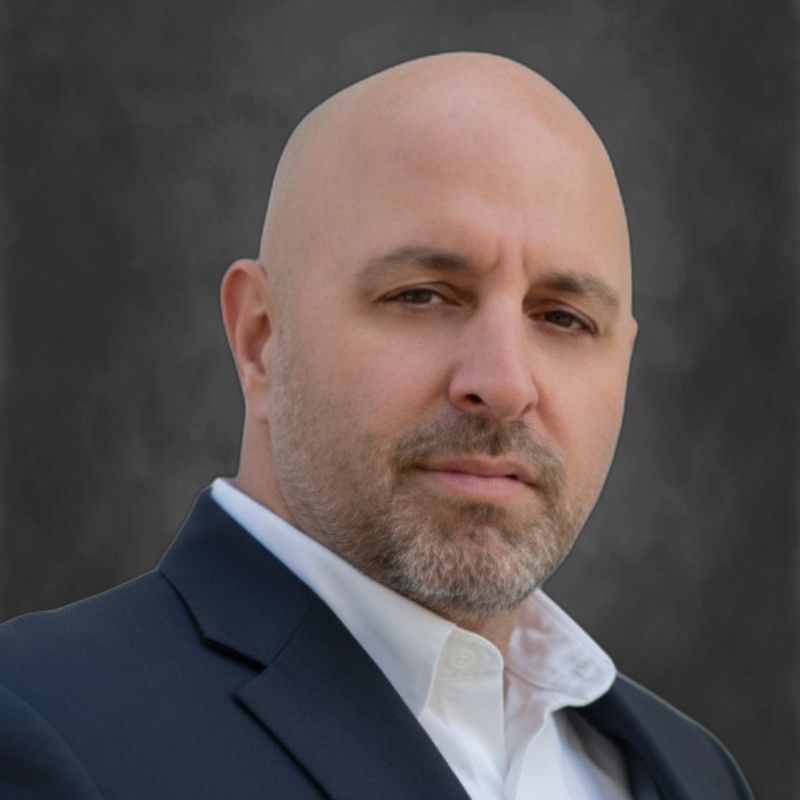
CEO/Co-Founder @ Oatmeal Health | AI Lung Cancer Screening | Almost Became a Doctor | Engineer | Follow to Share What I’ve Learned Along the Way
I help patients get the care they need earlier, preventing late-stage cancer.
That’s been the throughline across three companies and almost 20 years in healthcare. At ReferralMD, we fixed broken referral networks so patients didn’t fall through the cracks. At Oatmeal Health, it’s lung cancer: building the diagnostic and screening infrastructure so the 85% of cases caught too late get caught early instead.
Today as CEO of Oatmeal Health, I lead a team embedding AI into radiology workflows to turn routine lung CT scans into reimbursable cancer risk assessments. We partner with FQHCs to reach underserved communities, and with health systems and payers to make early detection economically sustainable. Think HeartFlow or Cleerly, but for lungs.
Between companies, I advised at Techstars and Plug and Play, mentoring founders building in digital health. That experience shaped how I think about what separates companies that ship from companies that stall: distribution, reimbursement, and clinical trust, not just technology.
I’m a CancerX alumnus, a 3x healthcare founder, and someone who believes the biggest problems in cancer aren’t scientific. They’re operational.
We’re hiring mission-driven builders at Oatmeal Health. If you want to work on something that matters, reach out.
When I’m not working, I’m traveling, mentoring, and keeping up with one very energetic husky. 🐾
Substack – The Oatmeal Bite:
Millions of patients get less care because of who they are, where they live, or how they look. I’m fighting to change that. CEO @OatmealHealth, a startup built for the underserved. The Oatmeal Bite: intel for clinicians, investors, and advocates.
Jonathan Govette
CEO of Oatmeal Health
Substack:
https://oatmealhealthjonathangovette.substack.com/