Share this article and save a life!
Radiology just admitted what we’ve been ignoring about AI.
The Journal of the American College of Radiology’s March 2026 Focus Issue dropped a truth bomb: workflow integration, not algorithm accuracy, determines AI success.
Think about that for a second.
We’ve spent years obsessing over which AI is smartest. Which one catches the most cancers. Which has the best sensitivity scores.
But Dr. Gelareh Sadigh and the JACR research team just flipped the script.
Their findings? Poor AI integration doesn’t just slow things down. It degrades safety. It perpetuates bias. It burns out radiologists even faster.
The three biggest roadblocks killing AI adoption right now:
• Insufficient infrastructure (hospitals can’t support the tech)
• Strict institutional regulations (compliance nightmares)
• Zero insurance reimbursement (who’s paying for this?)
Here’s what’s fascinating: The most successful AI programs in 2026 aren’t using the fanciest algorithms. They’re the ones that seamlessly fit into existing workflows.
AI handling triage and worklist prioritization. Radiologists focusing on complex interpretations. Quality assurance backing everything up.
Simple. Effective. Human-centered.
The market sees it too. AI radiology workflow optimization is exploding at 33.8% CAGR, heading toward $9 billion by 2031.
But here’s my take: We need to stop asking “which AI is best?” and start asking “which AI actually helps our radiologists?”
Because the smartest algorithm in the world is worthless if it makes a radiologist’s day harder.
Workflow isn’t a secondary benefit. It’s the whole point.
♻️ Repost if AI should enhance workflows, not complicate them.
👉 Follow me, Jonathan Govette, for daily, real-time updates on healthcare technology and business news. LinkedIn Profile: https://www.linkedin.com/in/jonathangovette/
Share this article and save a life!
Author:
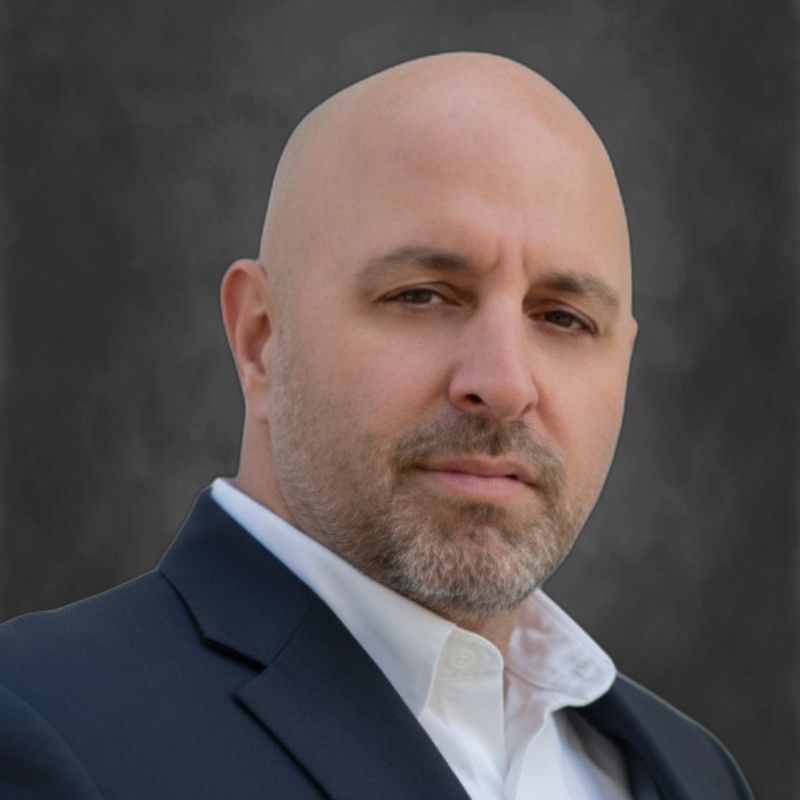
CEO/Co-Founder @ Oatmeal Health | AI Lung Cancer Screening | Almost Became a Doctor | Engineer | Follow to Share What I’ve Learned Along the Way
I help patients get the care they need earlier, preventing late-stage cancer.
That’s been the throughline across three companies and almost 20 years in healthcare. At ReferralMD, we fixed broken referral networks so patients didn’t fall through the cracks. At Oatmeal Health, it’s lung cancer: building the diagnostic and screening infrastructure so the 85% of cases caught too late get caught early instead.
Today as CEO of Oatmeal Health, I lead a team embedding AI into radiology workflows to turn routine lung CT scans into reimbursable cancer risk assessments. We partner with FQHCs to reach underserved communities, and with health systems and payers to make early detection economically sustainable. Think HeartFlow or Cleerly, but for lungs.
Between companies, I advised at Techstars and Plug and Play, mentoring founders building in digital health. That experience shaped how I think about what separates companies that ship from companies that stall: distribution, reimbursement, and clinical trust, not just technology.
I’m a CancerX alumnus, a 3x healthcare founder, and someone who believes the biggest problems in cancer aren’t scientific. They’re operational.
We’re hiring mission-driven builders at Oatmeal Health. If you want to work on something that matters, reach out.
When I’m not working, I’m traveling, mentoring, and keeping up with one very energetic husky. 🐾
Substack – The Oatmeal Bite:
Millions of patients get less care because of who they are, where they live, or how they look. I’m fighting to change that. CEO @OatmealHealth, a startup built for the underserved. The Oatmeal Bite: intel for clinicians, investors, and advocates.
Jonathan Govette
CEO of Oatmeal Health
Substack:
https://oatmealhealthjonathangovette.substack.com/