Share this article and save a life!
Telehealth saved millions of patients. Congress could end it.
Here is something that does not get enough attention in healthcare boardrooms right now.
The telehealth flexibilities that have been in place since 2020 are still operating on temporary extensions. The latest patch runs through the end of 2026. After that, without permanent federal legislation, Medicare patients lose access to telehealth from their homes, audio-only visits disappear for rural patients, and mental health telehealth faces new in-person visit requirements.
For FQHCs and rural health clinics, this is not a minor inconvenience. It is a structural threat.
📊 Consider what telehealth has meant at the community health level:
Over 50 million Medicare beneficiaries used telehealth services between 2020 and 2024, according to CMS utilization data.
FQHCs saw telehealth visits surge by more than 3,000% during the early pandemic years, and utilization has remained elevated because patients with transportation barriers, shift-work schedules, and childcare obligations simply cannot make in-person visits work.
Behavioral health is the hardest hit category. Roughly 40% of mental health visits in underserved communities are now delivered via telehealth, and many of those patients have no viable in-person alternative within a reasonable distance.
So what is Congress doing about it?
The CONNECT for Health Act has been reintroduced multiple times and has broad bipartisan support on paper. But it keeps stalling. The reconciliation process consuming Capitol Hill right now has crowded out standalone telehealth legislation. Meanwhile, advocacy groups including the American Telemedicine Association, NACHC, and the American Hospital Association are pushing hard for action before the clock runs out.
Here is what healthcare leaders need to understand: if these extensions expire, the fallout will not be evenly distributed.
Patients in suburban markets with strong broadband, flexible schedules, and nearby specialist options will adapt. They will go in-person.
Patients in rural Mississippi, South Texas, Appalachia, and urban food deserts will simply go without care. They will defer their mental health appointments. They will miss chronic disease follow-ups. They will show up in emergency departments when conditions deteriorate.
That is a predictable, preventable outcome. And right now, it is heading straight for us.
💡 For FQHC executives and hospital administrators, this is not a wait-and-see moment. Advocacy with your Congressional delegation, documentation of your telehealth utilization data, and public communication about patient impact are all tools that matter right now.
The patients who need telehealth the most are also the least likely to have lobbyists making the case on their behalf.
So the question I want to ask this community is this: if telehealth extensions expire at the end of 2026 and your most vulnerable patients lose access, what is your contingency plan? And should we have to have one?
♻️ Repost if you believe telehealth access is a patient right, not a temporary pandemic perk.
👉 Follow me for daily, real-time updates on healthcare technology and business news.
Share this article and save a life!
Author:
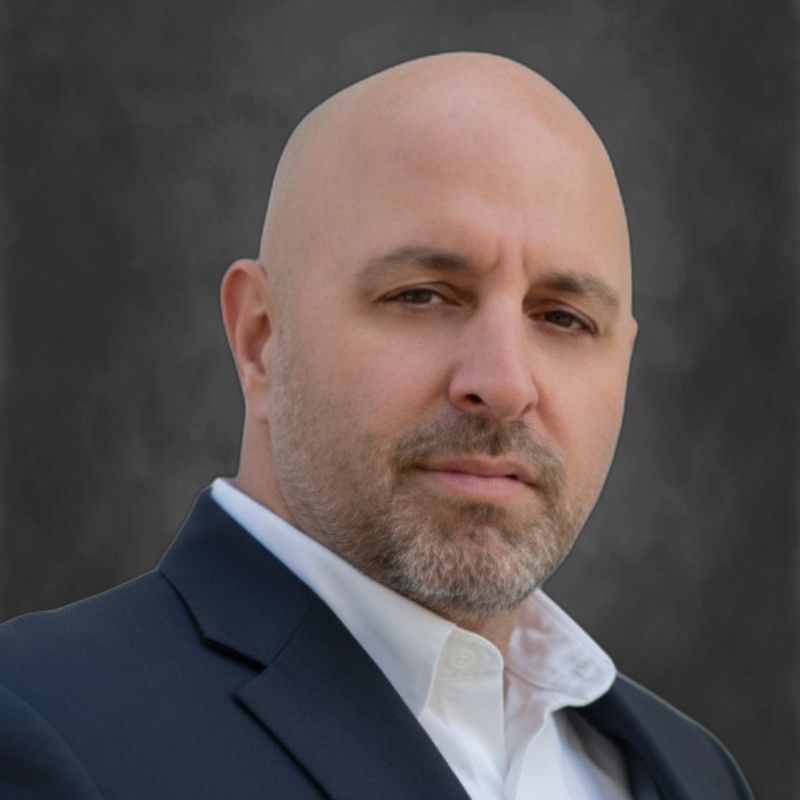
CEO/Co-Founder @ Oatmeal Health | AI Lung Cancer Screening | Almost Became a Doctor | Engineer | Follow to Share What I’ve Learned Along the Way
I help patients get the care they need earlier, preventing late-stage cancer.
That’s been the throughline across three companies and almost 20 years in healthcare. At ReferralMD, we fixed broken referral networks so patients didn’t fall through the cracks. At Oatmeal Health, it’s lung cancer: building the diagnostic and screening infrastructure so the 85% of cases caught too late get caught early instead.
Today as CEO of Oatmeal Health, I lead a team embedding AI into radiology workflows to turn routine lung CT scans into reimbursable cancer risk assessments. We partner with FQHCs to reach underserved communities, and with health systems and payers to make early detection economically sustainable. Think HeartFlow or Cleerly, but for lungs.
Between companies, I advised at Techstars and Plug and Play, mentoring founders building in digital health. That experience shaped how I think about what separates companies that ship from companies that stall: distribution, reimbursement, and clinical trust, not just technology.
I’m a CancerX alumnus, a 3x healthcare founder, and someone who believes the biggest problems in cancer aren’t scientific. They’re operational.
We’re hiring mission-driven builders at Oatmeal Health. If you want to work on something that matters, reach out.
When I’m not working, I’m traveling, mentoring, and keeping up with one very energetic husky. 🐾
Substack – The Oatmeal Bite:
Millions of patients get less care because of who they are, where they live, or how they look. I’m fighting to change that. CEO @OatmealHealth, a startup built for the underserved. The Oatmeal Bite: intel for clinicians, investors, and advocates.
Jonathan Govette
CEO of Oatmeal Health
Substack:
https://oatmealhealthjonathangovette.substack.com/