Share this article and save a life!
Medicaid is being reshaped. Here’s what nobody is saying.
Most of the conversation around the House reconciliation bill has focused on work requirements. But the structural changes buried inside that legislation deserve just as much attention.
Here’s what the bill actually does beyond the headline:
It converts federal Medicaid matching funds into a per capita cap, meaning states get a fixed dollar amount per enrollee instead of an open-ended federal match. When costs rise, states absorb the difference. When enrollment surges during a recession or public health crisis, states bear that risk alone.
It eliminates enhanced federal matching rates for the ACA Medicaid expansion population, making it financially unsustainable for many states to maintain expansion coverage long-term.
It restricts provider taxes, which many states use to draw down additional federal dollars. That mechanism funds a significant share of safety-net hospital and clinic operations in states like California, New York, and Texas.
The downstream math is not complicated. Fewer federal dollars flowing to Medicaid means fewer reimbursement dollars available for providers. Hospitals in rural areas and urban safety-net systems operate on razor-thin margins today. A per capita cap during an economic downturn could push many into insolvency.
For FQHCs and community health centers, this hits differently. These organizations receive enhanced Medicaid reimbursement through prospective payment system rates. If state Medicaid budgets contract sharply, states will look for every lever available, and FQHC reimbursement rates are not immune to renegotiation pressure.
The Congressional Budget Office estimated the bill would reduce Medicaid spending by more than $700 billion over 10 years. That is not trimming the margins. That is restructuring the foundation.
What concerns me most is the timing. The U.S. is simultaneously experiencing a primary care shortage, a behavioral health crisis, and rising rates of chronic disease in low-income populations. Pulling back federal Medicaid investment right now is not fiscal discipline. It is a policy choice with measurable human consequences.
Here is the question I want healthcare leaders to sit with:
If your organization serves Medicaid patients today, do you have a financial model that survives a 15 to 20 percent reduction in Medicaid reimbursement? Most do not.
Now is the time to scenario plan, diversify revenue, and engage your state legislature. Not after the Senate acts. Now.
♻️ Repost if you believe cutting Medicaid during a primary care shortage is a crisis hiding in plain sight.
👉 Follow me for daily, real-time updates on healthcare technology and business news.
Share this article and save a life!
Author:
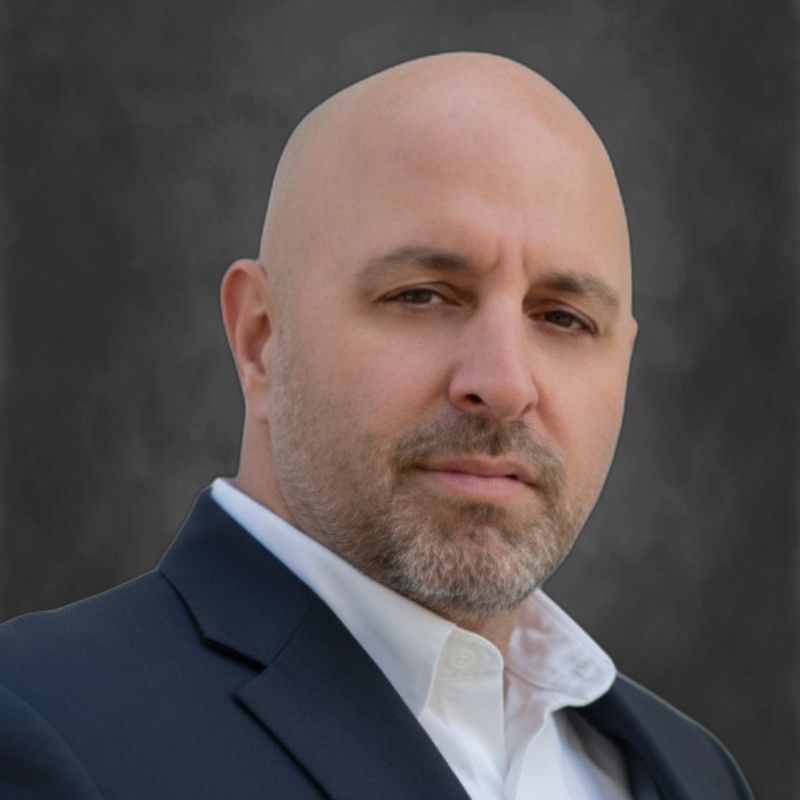
CEO/Co-Founder @ Oatmeal Health | AI Lung Cancer Screening | Almost Became a Doctor | Engineer | Follow to Share What I’ve Learned Along the Way
I help patients get the care they need earlier, preventing late-stage cancer.
That’s been the throughline across three companies and almost 20 years in healthcare. At ReferralMD, we fixed broken referral networks so patients didn’t fall through the cracks. At Oatmeal Health, it’s lung cancer: building the diagnostic and screening infrastructure so the 85% of cases caught too late get caught early instead.
Today as CEO of Oatmeal Health, I lead a team embedding AI into radiology workflows to turn routine lung CT scans into reimbursable cancer risk assessments. We partner with FQHCs to reach underserved communities, and with health systems and payers to make early detection economically sustainable. Think HeartFlow or Cleerly, but for lungs.
Between companies, I advised at Techstars and Plug and Play, mentoring founders building in digital health. That experience shaped how I think about what separates companies that ship from companies that stall: distribution, reimbursement, and clinical trust, not just technology.
I’m a CancerX alumnus, a 3x healthcare founder, and someone who believes the biggest problems in cancer aren’t scientific. They’re operational.
We’re hiring mission-driven builders at Oatmeal Health. If you want to work on something that matters, reach out.
When I’m not working, I’m traveling, mentoring, and keeping up with one very energetic husky. 🐾
Substack – The Oatmeal Bite:
Millions of patients get less care because of who they are, where they live, or how they look. I’m fighting to change that. CEO @OatmealHealth, a startup built for the underserved. The Oatmeal Bite: intel for clinicians, investors, and advocates.
Jonathan Govette
CEO of Oatmeal Health
Substack:
https://oatmealhealthjonathangovette.substack.com/