Share this article and save a life!
Unpopular opinion: AI scribes are a bandage on a bullet wound.
Every major health system is racing to deploy ambient AI documentation tools. Epic, Oracle Health, Microsoft, Nuance, and a dozen well-funded startups are all selling the same promise: give doctors their time back.
And yes, the early data looks good. Physicians report spending less time on notes. Satisfaction scores tick up. Burnout metrics improve slightly.
But here is what nobody is saying about this:
We are automating our way around a system design failure instead of fixing it.
🔍 Think about what ambient AI scribes actually do. They listen to a conversation, generate a note, and drop it into the EHR. Faster. Cleaner. Less painful.
What they do not do is fix the 47 inbox messages waiting after that visit. They do not fix the 14-step prior authorization process that starts the moment the note is done. They do not fix the fact that a physician’s schedule has been compressed to 15-minute slots to hit RVU targets.
We celebrated EHRs as a revolution in care coordination. Then we spent the next 20 years watching physicians drown in them. Now we are celebrating AI scribes as the antidote.
Are we just repeating the same cycle?
💡 Here is the harder question healthcare leaders need to ask right now:
If you remove the documentation burden and physicians still feel burned out, what does that tell you?
It tells you the problem was never just the notes.
The problem is a system that treats physicians as input-output machines, optimized for throughput over care quality. AI scribes make that machine run slightly more smoothly. But the machine is still broken.
I am not saying ambient AI is bad. It is genuinely useful technology. But the way health systems are positioning it as a burnout solution is intellectually dishonest.
Burnout is a systems problem. Inbox overload, fragmented workflows, administrative creep, and loss of clinical autonomy are not solved by a better microphone in the exam room.
If health system leaders are serious about fixing physician burnout, the AI scribe is step one, not the finish line.
The real work is redesigning the workflows that surround every single patient encounter.
Are we brave enough to do that, or are we just going to keep buying tools that make the dysfunction feel slightly more manageable?
👉 Follow for daily healthcare insights. Deeper dives in The Oatmeal Bite on Substack.
Share this article and save a life!
Author:
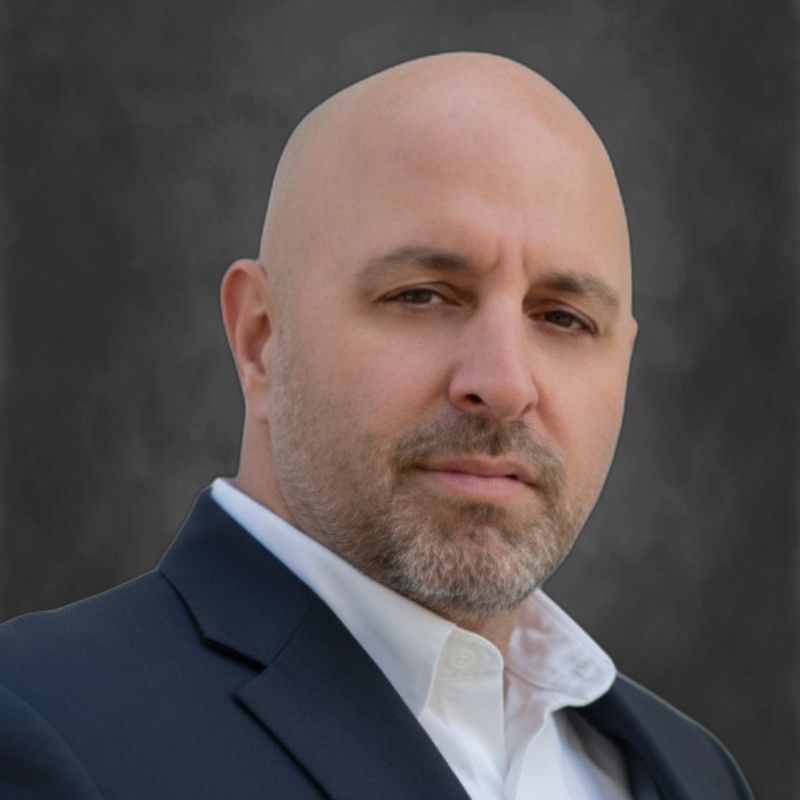
CEO/Co-Founder @ Oatmeal Health | AI Lung Cancer Screening | Almost Became a Doctor | Engineer | Follow to Share What I’ve Learned Along the Way
I help patients get the care they need earlier, preventing late-stage cancer.
That’s been the throughline across three companies and almost 20 years in healthcare. At ReferralMD, we fixed broken referral networks so patients didn’t fall through the cracks. At Oatmeal Health, it’s lung cancer: building the diagnostic and screening infrastructure so the 85% of cases caught too late get caught early instead.
Today as CEO of Oatmeal Health, I lead a team embedding AI into radiology workflows to turn routine lung CT scans into reimbursable cancer risk assessments. We partner with FQHCs to reach underserved communities, and with health systems and payers to make early detection economically sustainable. Think HeartFlow or Cleerly, but for lungs.
Between companies, I advised at Techstars and Plug and Play, mentoring founders building in digital health. That experience shaped how I think about what separates companies that ship from companies that stall: distribution, reimbursement, and clinical trust, not just technology.
I’m a CancerX alumnus, a 3x healthcare founder, and someone who believes the biggest problems in cancer aren’t scientific. They’re operational.
We’re hiring mission-driven builders at Oatmeal Health. If you want to work on something that matters, reach out.
When I’m not working, I’m traveling, mentoring, and keeping up with one very energetic husky. 🐾
Substack – The Oatmeal Bite:
Millions of patients get less care because of who they are, where they live, or how they look. I’m fighting to change that. CEO @OatmealHealth, a startup built for the underserved. The Oatmeal Bite: intel for clinicians, investors, and advocates.
Jonathan Govette
CEO of Oatmeal Health
Substack:
https://oatmealhealthjonathangovette.substack.com/