

AI Triage Revolution in Radiology
The 60-minute window that's saving lives in radiology departments AI triage systems are revolutionizing emergency radiology in 2025, and the numbers are stunning. New data released this month shows AI-powered triage is cutting critical finding detection times by an average of 60 minutes in emergency departments nationwide. 🚨 Here's what's happening: When a stroke, pulmonary embolism, or brain hemorrhage appears on a scan, AI instantly flags it for immediate review, rather than letting it sit in chronological order with dozens of routine studies. The impact? Dramatic reductions in time-to-treatment: • 32% faster overall report turnaround times • 83% reduction in fracture detection delays • 67% fewer missed critical findings These aren't just efficiency metrics, they're life-changing differences for patients where ...
AI Command Centers Transform Hospital Operations
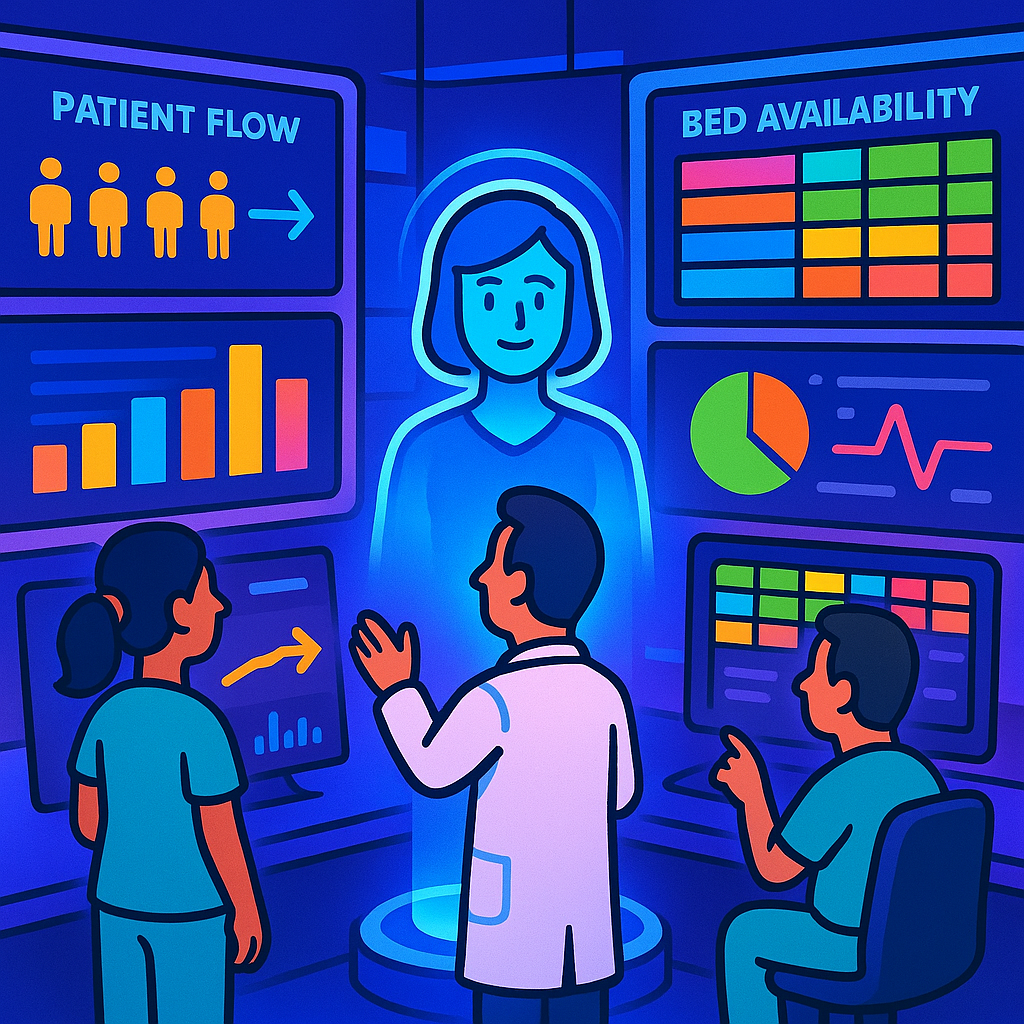
The future of hospital operations has arrived, and it's powered by AI. In the past two weeks, I've seen firsthand how the newest generation of AI command centers are transforming healthcare delivery at scale. GE HealthCare's expanded AI Command Center platform has now reached nearly 500 hospitals globally, with recent implementations at Duke Health and The Queen's Health Systems showing remarkable results: 🏥 40% reduction in ED boarding times (patients previously waited up to 3 days for beds) 💰 Average of $3.5M annual savings per facility through optimized resource utilization 👩⚕️ 28% reduction in nurse overtime hours What makes these new command centers different from previous iterations? 1. Conversational AI interfaces allow clinical leaders to interact naturally with the system. ...
Hospital-at-Home Medicare Breakthrough
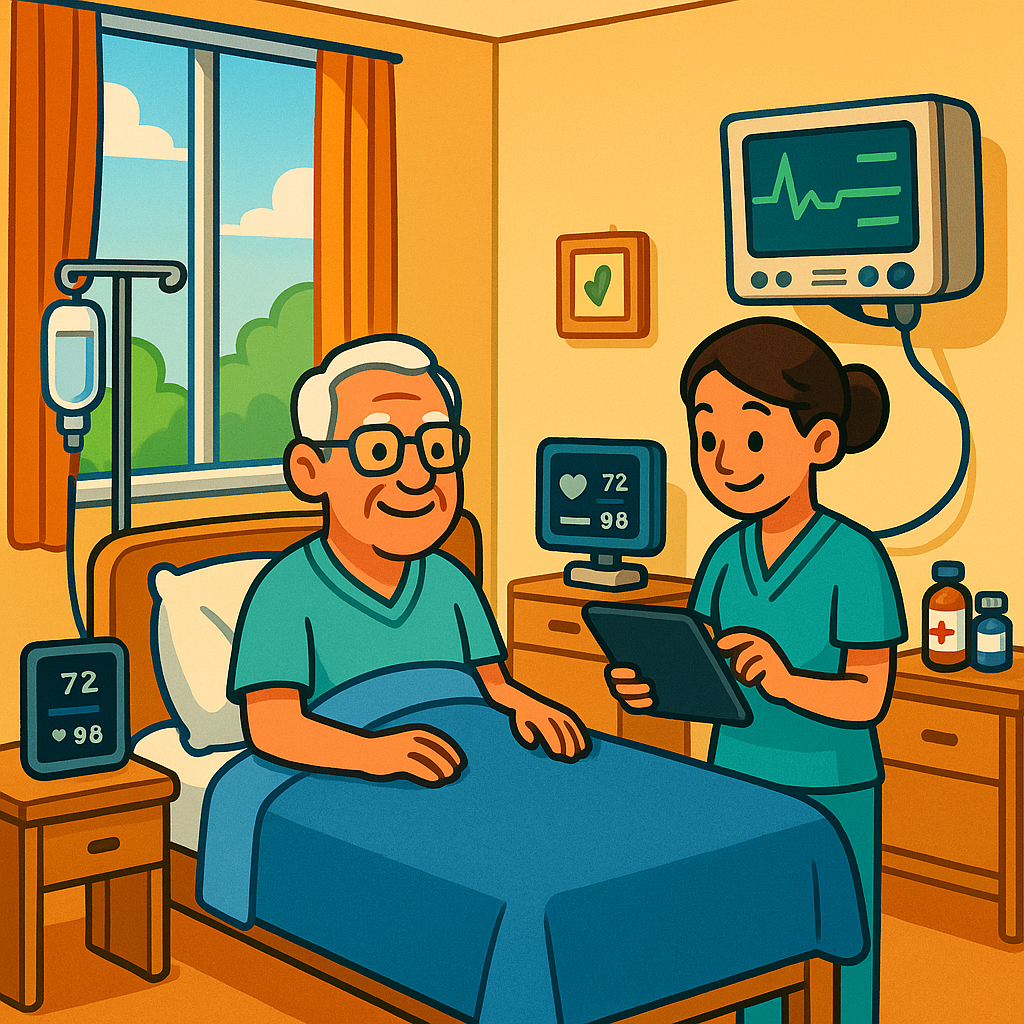
Hospital-at-Home could be the biggest healthcare delivery breakthrough in decades, but it almost disappeared last month. On November 12, President Trump signed legislation that restored Medicare's Hospital-at-Home program after it briefly lapsed on October 1. This wasn't just bureaucratic paperwork – it was a lifeline for thousands of patients receiving acute hospital care in their homes right now. Here's why this matters to every healthcare leader: 🏥 Scale: 419 hospitals across 39 states now deliver hospital-level care at home, with daily patient volumes rivaling small hospitals. Mass General Brigham plans to expand to 250 home beds. 💰 Cost: Hospital-at-Home delivers 30% lower costs per admission compared to traditional hospital care. That's transformative in our cost-constrained environment. 📊 Outcomes: The data ...

The Funding Crisis: Current State Analysis: Maximizing Impact Through Data-Driven Narratives 2025 Reauthorization Playbook
Strategic Funding for FQHCs Maximizing Impact Through Data-Driven Narratives 2025 Reauthorization Playbook Research Report, August 2025, Based on Current Federal Data and Industry Best Practices Executive Summary Bottom Line Up Front: FQHCs that transform routine UDS reporting into strategic impact narratives secure 15-30% more funding than traditional compliance approaches. With $5.8 billion in federal funding at stake for September 2025 reauthorization, strategic reporting is no longer optional—it's survival. This report analyzes current FQHC funding challenges and provides a proven framework for maximizing federal support through strategic data presentation. Key findings: The Funding Crisis: Current State Analysis Financial Pressure Points Recent Commonwealth Fund research reveals that Community Health Centers face unprecedented financial challenges that threaten their ability to serve 32 million ...
Addressing the Underrepresentation of Minority Data in Clinical Trials: A Call for Action
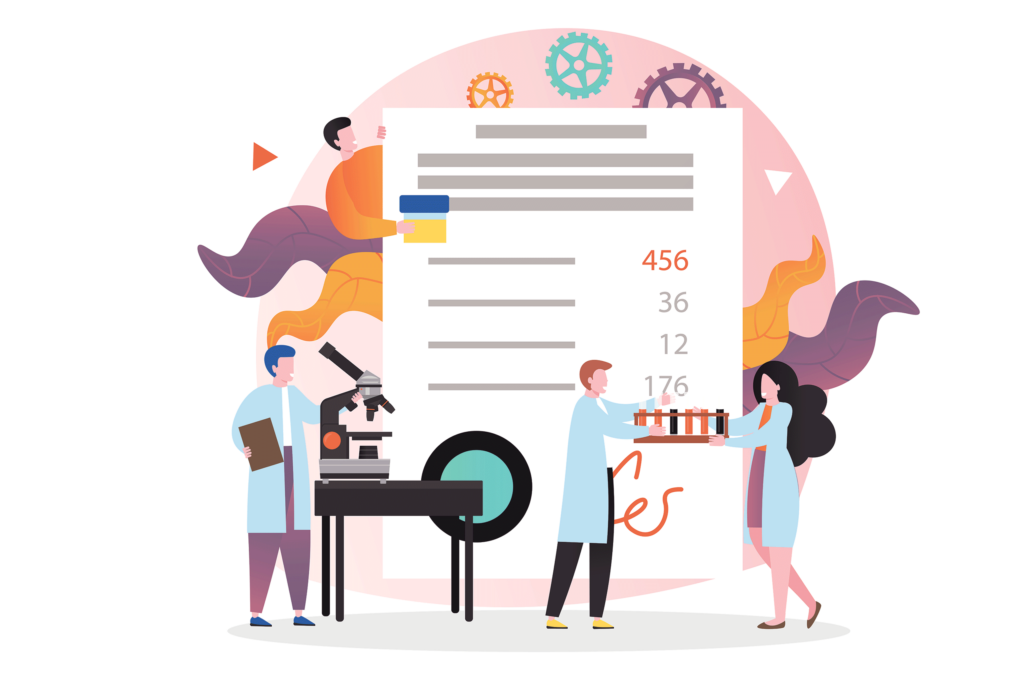
The underrepresentation of minority populations in clinical trials is a critical challenge that hinders progress toward equitable healthcare. Despite ongoing advances in medical research, clinical trials often fail to adequately include participants from African American, Latino, and other minority groups. This lack of diversity results in treatments and therapies that may not be as effective or safe for these populations, exacerbating existing disparities in health outcomes. The Scope of the Problem According to the FDA, African Americans comprise only 5% of clinical trial participants, while Latinos make up just 1%, despite representing over 30% of the U.S. population combined. This discrepancy underscores a fundamental issue: clinical trials, which serve as the foundation for developing new treatments, often do not ...
Bridging the Gap: Health Equity, Cancer Screening, and the Role of FQHCs
Thanks to Vino Cherian for joining Oatmeal Health as a contributing author of this article. The Persistent Challenge of Healthcare Access and Cancer Screening Disparities In the United States, the healthcare landscape remains plagued by significant disparities, particularly for underserved populations. People of color, low-income families, rural residents, and immigrant communities often face a daunting array of barriers that prevent them from accessing quality preventive and diagnostic services. These barriers include limited access to healthcare facilities, financial constraints, transportation difficulties, language and cultural differences, and a lack of awareness about the importance of preventive health measures. The consequences of these disparities are staggering, especially when it comes to diseases like lung cancer. Early detection through regular screenings is crucial for ...
25 Innovations in Healthcare Technology for 2024 and Beyond
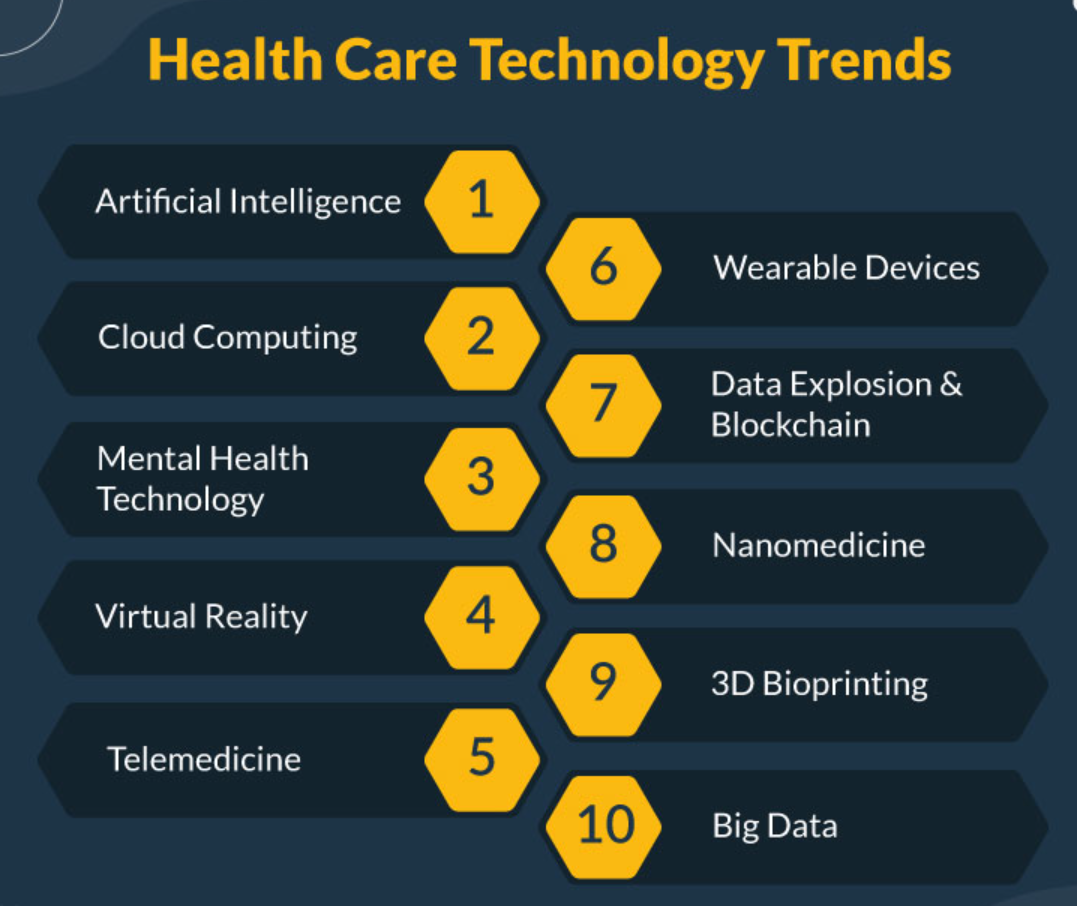
I am a big technology nerd, I have been one since I was 6 years old and my dad got the first 286 IBM computer in the early 80s. I still remember learning to type, play games, etc. Wow, times have changed. Early in my childhood, I used to sit in front of my big wooden tv and watch open-heart surgery eating Cheerios. I always wanted to be a doctor early on but realized that my skills in computers surpassed my medical knowledge, so I decided to combine them and build solutions for my friends who worked in healthcare instead. Enough out me, What do I feel are the top healthcare technologies of 2024 and beyond? Continue reading and ...
Oatmeal Health Accepts an Award from Seema Kumar and Chelsea Clinton for Cure Xchange Challenge Health AI for Good
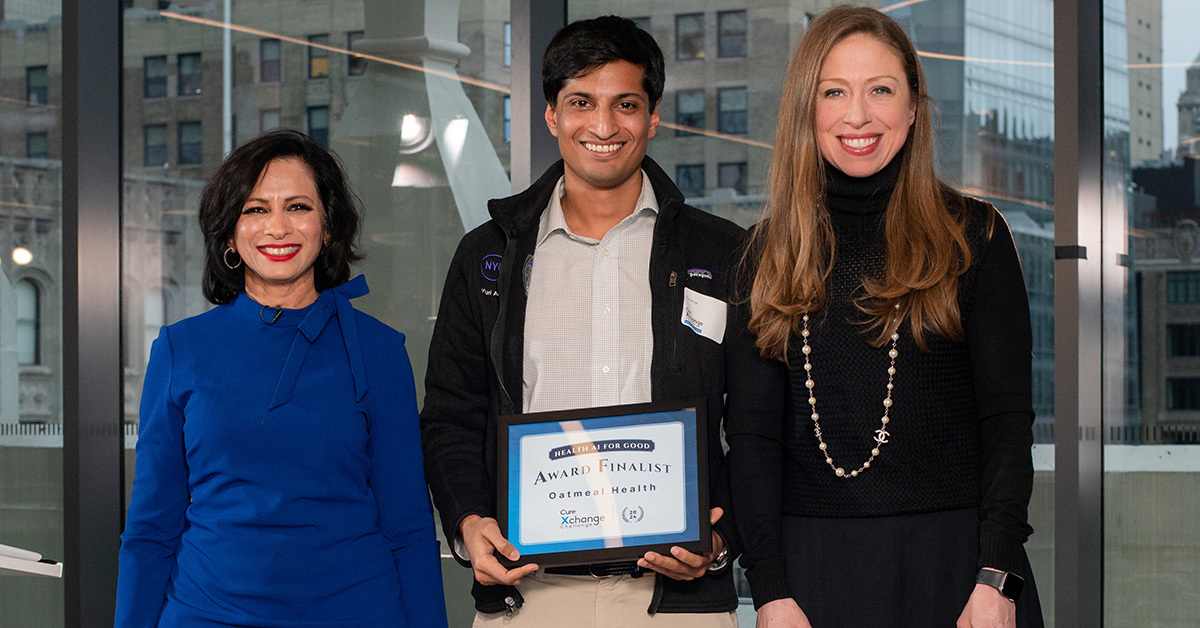
Oatmeal Health Accepts an Award from Seema Kumar and Chelsea Clinton I wanted to thank Seema Kumar the CEO of Cure for hosting such an amazing event, where Oatmeal Health was chosen as a Finalist out of 100s of submissions. (Orginal Press Release) Our Co-Founder and CTO, Yuri Ahuja M.D. Ph.D. attended the event received an award, and met with many other amazing startups and speakers including Chelsea Clinton and John Mattison M.D. (Former Chief Medical Information Officer at Kaiser Permanente) "Honored to accept an award on behalf of Oatmeal Health at the Cure Xchange Challenge awards ceremony! I was so impressed by the speakers and other awardees - their grit and passion for improving health outcomes using AI ...
Stigler Health & Wellness Center in Oklahoma Partners with Oatmeal Health
December 12th, 2023 - Stigler Health & Wellness Center in Oklahoma Partners with Oatmeal Health to Help Preventatively Screen Patients for Lung Cancer SAN JOSE CALIFORNIA, & STIGLER OKLAHOMA Oatmeal Health, an AI-enabled lung cancer screening provider for Medicaid and Medicare beneficiaries, announced today a new partnership with Stigler Health & Wellness Center FQHC to bring tech-enabled lung cancer screenings to their patients. Brooke Lattimore, COO of the Health and Wellness Center, "As the largest rural Community Health Center in Oklahoma, one of the main focuses for our patients is access to affordable, quality care, with screenings being a big part of our primary and preventative mission. Our patients in rural areas often have many barriers to overcome, so ...