Share this article and save a life!
A game-changing breakthrough for cancer detection just emerged from the Korea Institute of Materials Science. 🔬
Their AI-powered optical biosensor can detect cancer from a single drop of blood in under 20 minutes with 99% accuracy.
Here’s why healthcare leaders should pay attention:
• It’s 1,000x more sensitive than previous biosensors, detecting methylated cancer DNA at concentrations as low as 25 fg/mL
• Requires only 100 μL of blood (essentially a drop) and delivers results faster than your morning coffee break
• Can distinguish between cancer stages (I-IV), crucial for early intervention
• Uses plasmonic materials to amplify DNA signals by over 100 million times
For imaging centers and hospital executives, this represents both opportunity and disruption. The technology bypasses many traditional diagnostic workflows, potentially reducing the need for invasive biopsies while dramatically accelerating diagnosis.
FQHCs could leverage this to bring world-class early detection capabilities to underserved populations without requiring extensive laboratory infrastructure.
Perhaps most remarkable is the democratization of cancer screening this enables. When fully commercialized, this technology could make sophisticated cancer screening as routine and simple as checking blood glucose levels.
We’re witnessing a fundamental shift where liquid biopsies powered by AI are moving from research curiosities to clinical necessities. Early detection remains our most powerful weapon against cancer, and this technology removes many of the barriers that have limited access.
The implications extend beyond clinical outcomes to healthcare economics. Early detection dramatically reduces treatment costs while improving survival rates. For health systems struggling with financial pressures, technologies that simultaneously improve outcomes and reduce costs represent the holy grail.
What other AI diagnostic technologies are you watching closely in 2025? And how is your organization preparing for this new era of ultra-early detection?
Share this article and save a life!
Author:
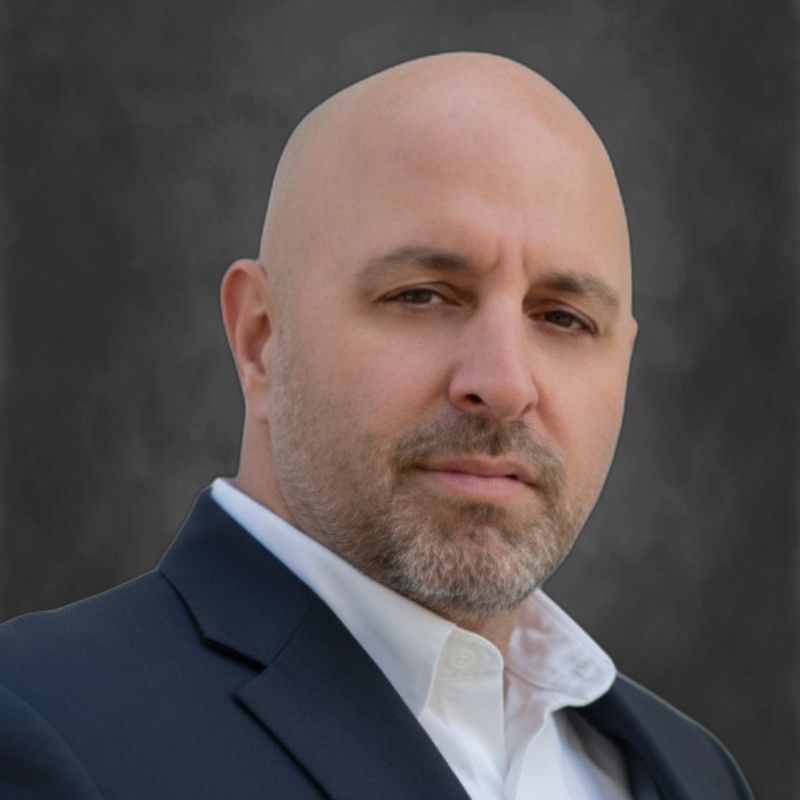
CEO/Co-Founder @ Oatmeal Health | AI Lung Cancer Screening | Almost Became a Doctor | Engineer | Follow to Share What I’ve Learned Along the Way
I help patients get the care they need earlier, preventing late-stage cancer.
That’s been the throughline across three companies and almost 20 years in healthcare. At ReferralMD, we fixed broken referral networks so patients didn’t fall through the cracks. At Oatmeal Health, it’s lung cancer: building the diagnostic and screening infrastructure so the 85% of cases caught too late get caught early instead.
Today as CEO of Oatmeal Health, I lead a team embedding AI into radiology workflows to turn routine lung CT scans into reimbursable cancer risk assessments. We partner with FQHCs to reach underserved communities, and with health systems and payers to make early detection economically sustainable. Think HeartFlow or Cleerly, but for lungs.
Between companies, I advised at Techstars and Plug and Play, mentoring founders building in digital health. That experience shaped how I think about what separates companies that ship from companies that stall: distribution, reimbursement, and clinical trust, not just technology.
I’m a CancerX alumnus, a 3x healthcare founder, and someone who believes the biggest problems in cancer aren’t scientific. They’re operational.
We’re hiring mission-driven builders at Oatmeal Health. If you want to work on something that matters, reach out.
When I’m not working, I’m traveling, mentoring, and keeping up with one very energetic husky. 🐾
Substack – The Oatmeal Bite:
Millions of patients get less care because of who they are, where they live, or how they look. I’m fighting to change that. CEO @OatmealHealth, a startup built for the underserved. The Oatmeal Bite: intel for clinicians, investors, and advocates.
Jonathan Govette
CEO of Oatmeal Health
Substack:
https://oatmealhealthjonathangovette.substack.com/