Share this article and save a life!
$11.1B in HRSA grants, but FQHCs are still scrambling.
Here’s what just dropped for community health centers 📋
HRSA opened the floodgates this March with multiple grant opportunities that could transform how FQHCs serve their communities. The Service Area Competition alone (HRSA-26-007) runs through March 16, with awards starting June 1.
But here’s the kicker: Ryan White HIV programs are offering between $115K and $2M per center, with 131 total awards available. Part C Capacity Building specifically targets FQHCs wanting to add HIV primary care, no existing patient base required.
The timing couldn’t be more critical.
While FQHCs received record funding last year, they’re facing unprecedented workforce shortages and rising operational costs. These grants aren’t just money, they’re lifelines for centers serving 31 million Americans.
What caught my attention: The two-tier application process for the May 1 competitions closed months ago. How many centers missed out because they couldn’t navigate the complex federal grant system?
This highlights a deeper issue in community health.
We’re asking safety net providers to compete for survival while simultaneously demanding they innovate, expand services, and maintain quality scores. The administrative burden alone requires dedicated grant writers that many smaller FQHCs simply can’t afford.
Yet these centers remain the backbone of healthcare for underserved communities. They prevented 2.5 million emergency room visits last year. They provide primary care regardless of ability to pay.
The real question isn’t whether FQHCs deserve more funding.
It’s whether we’re setting them up to succeed or just throwing money at a broken system. When grant applications require months of preparation and specialized expertise, are we inadvertently favoring larger, well-resourced centers over smaller, community-embedded clinics that might better understand local needs?
Something to consider: The AMA just launched $50K microgrants for physician-led CHC pilots. Smaller awards, simpler applications, faster implementation.
Maybe it’s time HRSA took notes.
♻️ Repost if community health centers deserve simpler funding pathways
👉 Follow me, Jonathan Govette, for daily, real-time updates on healthcare technology and business news. LinkedIn Profile: https://www.linkedin.com/in/jonathangovette/
Share this article and save a life!
Author:
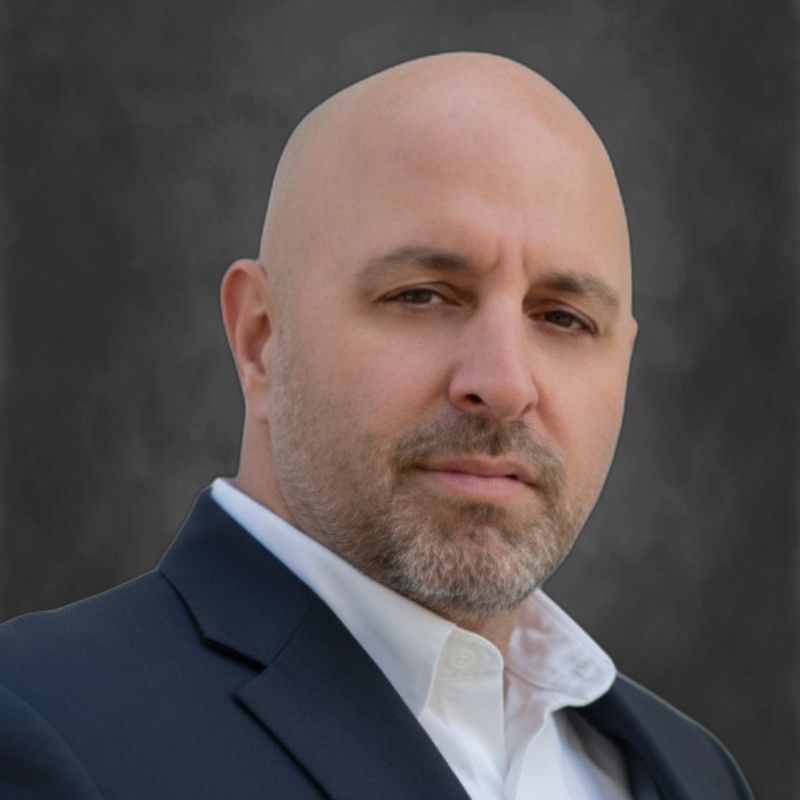
CEO/Co-Founder @ Oatmeal Health | AI Lung Cancer Screening | Almost Became a Doctor | Engineer | Follow to Share What I’ve Learned Along the Way
I help patients get the care they need earlier, preventing late-stage cancer.
That’s been the throughline across three companies and almost 20 years in healthcare. At ReferralMD, we fixed broken referral networks so patients didn’t fall through the cracks. At Oatmeal Health, it’s lung cancer: building the diagnostic and screening infrastructure so the 85% of cases caught too late get caught early instead.
Today as CEO of Oatmeal Health, I lead a team embedding AI into radiology workflows to turn routine lung CT scans into reimbursable cancer risk assessments. We partner with FQHCs to reach underserved communities, and with health systems and payers to make early detection economically sustainable. Think HeartFlow or Cleerly, but for lungs.
Between companies, I advised at Techstars and Plug and Play, mentoring founders building in digital health. That experience shaped how I think about what separates companies that ship from companies that stall: distribution, reimbursement, and clinical trust, not just technology.
I’m a CancerX alumnus, a 3x healthcare founder, and someone who believes the biggest problems in cancer aren’t scientific. They’re operational.
We’re hiring mission-driven builders at Oatmeal Health. If you want to work on something that matters, reach out.
When I’m not working, I’m traveling, mentoring, and keeping up with one very energetic husky. 🐾
Substack – The Oatmeal Bite:
Millions of patients get less care because of who they are, where they live, or how they look. I’m fighting to change that. CEO @OatmealHealth, a startup built for the underserved. The Oatmeal Bite: intel for clinicians, investors, and advocates.
Jonathan Govette
CEO of Oatmeal Health
Substack:
https://oatmealhealthjonathangovette.substack.com/