Share this article and save a life!
GLP-1 drugs work better with AI. Here is the proof.
Semaglutide and tirzepatide are already rewriting the rulebook on obesity treatment. But the real story in 2026 is not just the drug. It is what happens digitally around the drug.
New deployment data from digital health platforms like Noom Med, Ro, and Hims and Hers shows that patients pairing GLP-1 therapy with AI-powered behavioral coaching, continuous glucose monitoring integration, and remote check-ins are achieving up to 30 percent better weight loss outcomes at 12 months compared to medication alone. Adherence rates are also climbing, a critical issue given that nearly 40 percent of GLP-1 patients discontinue within 12 months when there is no support structure around them.
Here is what that means for healthcare leaders right now.
🏥 For health systems and imaging centers, this is more than a pharmacy story. Obesity drives breast density, elevates cardiovascular risk, and affects cancer screening protocols across radiology. If your patients are on GLP-1s, their imaging workloads and risk profiles are changing, and your care model needs to account for that.
For FQHCs, the challenge is stark. GLP-1 medications still cost $900 to $1,300 per month without coverage, and while CMS has expanded some pathways, the access gap for Medicaid and uninsured patients at community health centers remains enormous. Digital health platforms are largely serving commercially insured, urban populations. Underserved patients are being left out of the most significant pharmacological advance in metabolic medicine in a generation.
There is also a data opportunity being missed. AI platforms tracking GLP-1 patient behavior, diet patterns, glucose trends, and activity at scale are generating datasets that could reshape clinical guidelines for chronic disease management at the population level. But that data is siloed inside venture-backed startups, not flowing into community health EHRs.
The question no one is asking loudly enough: should GLP-1 digital companion platforms be considered part of the standard of care, and if so, who pays for them when the patient cannot afford the drug in the first place?
The clinical case is getting stronger every month. The equity case is getting more urgent at the same rate.
♻️ Repost if every patient on a GLP-1 deserves a digital care team, not just a prescription.
👉 Follow me for daily, real-time updates on healthcare technology and business news.
Share this article and save a life!
Author:
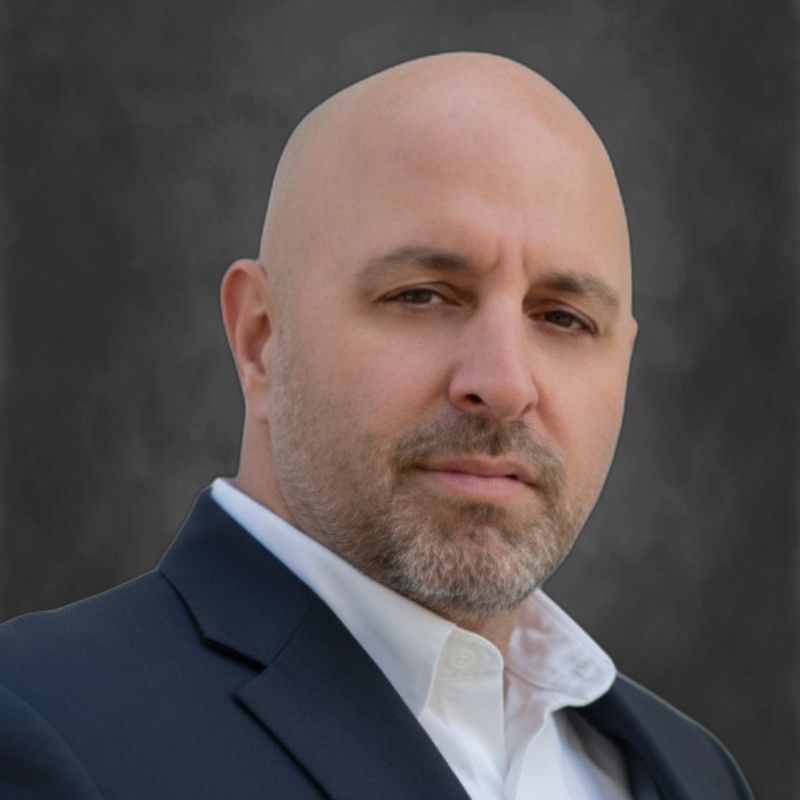
CEO/Co-Founder @ Oatmeal Health | AI Lung Cancer Screening | Almost Became a Doctor | Engineer | Follow to Share What I’ve Learned Along the Way
I help patients get the care they need earlier, preventing late-stage cancer.
That’s been the throughline across three companies and almost 20 years in healthcare. At ReferralMD, we fixed broken referral networks so patients didn’t fall through the cracks. At Oatmeal Health, it’s lung cancer: building the diagnostic and screening infrastructure so the 85% of cases caught too late get caught early instead.
Today as CEO of Oatmeal Health, I lead a team embedding AI into radiology workflows to turn routine lung CT scans into reimbursable cancer risk assessments. We partner with FQHCs to reach underserved communities, and with health systems and payers to make early detection economically sustainable. Think HeartFlow or Cleerly, but for lungs.
Between companies, I advised at Techstars and Plug and Play, mentoring founders building in digital health. That experience shaped how I think about what separates companies that ship from companies that stall: distribution, reimbursement, and clinical trust, not just technology.
I’m a CancerX alumnus, a 3x healthcare founder, and someone who believes the biggest problems in cancer aren’t scientific. They’re operational.
We’re hiring mission-driven builders at Oatmeal Health. If you want to work on something that matters, reach out.
When I’m not working, I’m traveling, mentoring, and keeping up with one very energetic husky. 🐾
Substack – The Oatmeal Bite:
Millions of patients get less care because of who they are, where they live, or how they look. I’m fighting to change that. CEO @OatmealHealth, a startup built for the underserved. The Oatmeal Bite: intel for clinicians, investors, and advocates.
Jonathan Govette
CEO of Oatmeal Health
Substack:
https://oatmealhealthjonathangovette.substack.com/