Share this article and save a life!
CMS just proposed cutting physician pay again in 2027.
And if you run a clinic, imaging center, or community health center, this one deserves your full attention.
Every year, CMS releases its proposed Medicare Physician Fee Schedule. Every year, the conversion factor drops. And every year, providers absorb another cut while their costs go up.
The 2027 proposed rule, released this month, follows the same pattern. The proposed conversion factor decrease would reduce Medicare payments across the board, hitting primary care, radiology, behavioral health, and specialist services simultaneously.
Here is why this matters beyond the headline number.
💡 The real math is brutal for safety-net providers.
FQHCs and rural health clinics operate under a different payment model, the Prospective Payment System rate, but downstream reimbursement pressure from Medicare still ripples into their payer mix negotiations and operational budgets. When Medicare cuts rates, commercial insurers often follow. And Medicaid, already under threat from the reconciliation bill, doesn’t fill the gap.
For independent radiology groups and imaging centers, the conversion factor cut compounds the problem. Radiology technical and professional fees are both affected. A 2 to 3 percent cut on high-volume imaging services adds up to millions annually for mid-size practices.
The numbers tell a clear story.
Since 2001, the Medicare conversion factor has declined by more than 26 percent in real terms after adjusting for inflation, according to the American Medical Association. Meanwhile, practice costs have increased by over 47 percent in that same period. The gap between what it costs to deliver care and what Medicare pays for it keeps widening.
Radiologists and primary care physicians are feeling it equally.
A primary care physician seeing 20 Medicare patients per day at reduced rates loses tens of thousands of dollars per year in revenue without reducing a single visit. That is not a sustainable model for any practice, let alone a safety-net provider already subsidizing uninsured and Medicaid patients at below-cost rates.
What should healthcare leaders do right now?
First, review your Medicare payer mix and model out the financial impact of a 2 to 4 percent conversion factor reduction before the final rule drops in November. Do not wait.
Second, if you have not submitted public comments to CMS, do it. The comment period for the proposed rule is open. Organized medicine, hospital associations, and FQHC networks have more leverage when provider voices are unified.
Third, accelerate your value-based care transition. Practices deeply embedded in Medicare Advantage, ACOs, or shared savings arrangements are more insulated from fee-for-service cuts than those still operating purely on volume.
The real question no one wants to ask out loud:
How many more cuts can the safety-net absorb before access simply disappears for the patients who need it most?
The communities that rely on FQHCs, rural clinics, and independent imaging centers are not optional consumers. They are patients with no alternatives. When margins collapse, those doors close. And no policy document brings them back.
👉 Follow me for daily healthcare insights and updates on LinkedIn.
🔍 For deeper analysis, subscribe to my Substack, where I share long-form articles, industry trends, and in-depth perspectives on healthcare, AI, diagnostics, and the future of care. → https://lnkd.in/eJKFuB_p
Share this article and save a life!
Author:
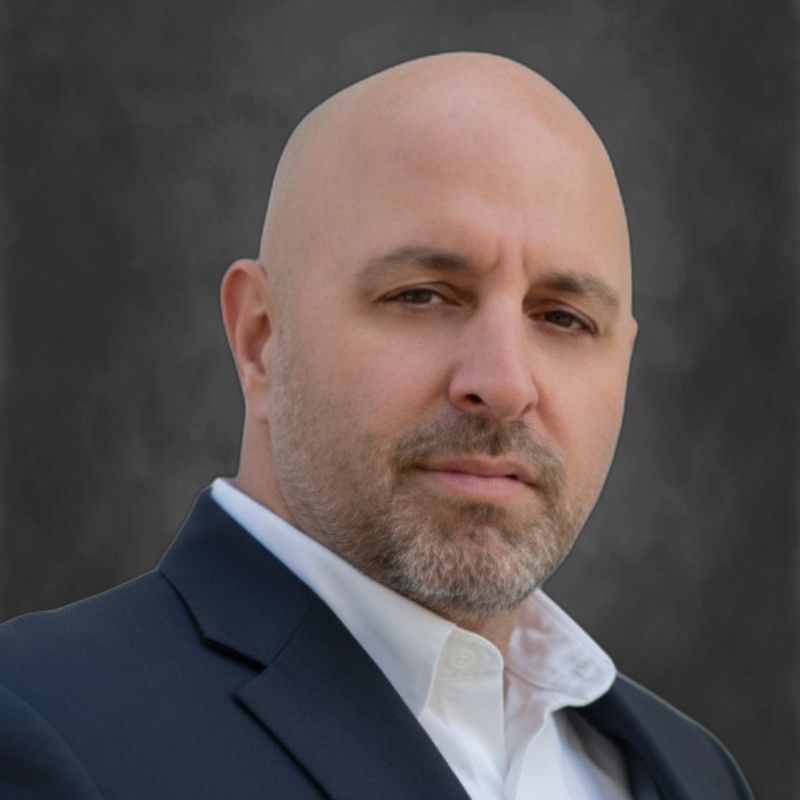
CEO/Co-Founder @ Oatmeal Health | AI Lung Cancer Screening | Almost Became a Doctor | Engineer | Follow to Share What I’ve Learned Along the Way
I help patients get the care they need earlier, preventing late-stage cancer.
That’s been the throughline across three companies and almost 20 years in healthcare. At ReferralMD, we fixed broken referral networks so patients didn’t fall through the cracks. At Oatmeal Health, it’s lung cancer: building the diagnostic and screening infrastructure so the 85% of cases caught too late get caught early instead.
Today as CEO of Oatmeal Health, I lead a team embedding AI into radiology workflows to turn routine lung CT scans into reimbursable cancer risk assessments. We partner with FQHCs to reach underserved communities, and with health systems and payers to make early detection economically sustainable. Think HeartFlow or Cleerly, but for lungs.
Between companies, I advised at Techstars and Plug and Play, mentoring founders building in digital health. That experience shaped how I think about what separates companies that ship from companies that stall: distribution, reimbursement, and clinical trust, not just technology.
I’m a CancerX alumnus, a 3x healthcare founder, and someone who believes the biggest problems in cancer aren’t scientific. They’re operational.
We’re hiring mission-driven builders at Oatmeal Health. If you want to work on something that matters, reach out.
When I’m not working, I’m traveling, mentoring, and keeping up with one very energetic husky. 🐾
Substack – The Oatmeal Bite:
Millions of patients get less care because of who they are, where they live, or how they look. I’m fighting to change that. CEO @OatmealHealth, a startup built for the underserved. The Oatmeal Bite: intel for clinicians, investors, and advocates.
Jonathan Govette
CEO of Oatmeal Health
Substack:
https://oatmealhealthjonathangovette.substack.com/