Share this article and save a life!
Are you ready for the bill your Medicare patients are about to get? 💊
Because it just got more expensive to be on Medicare.
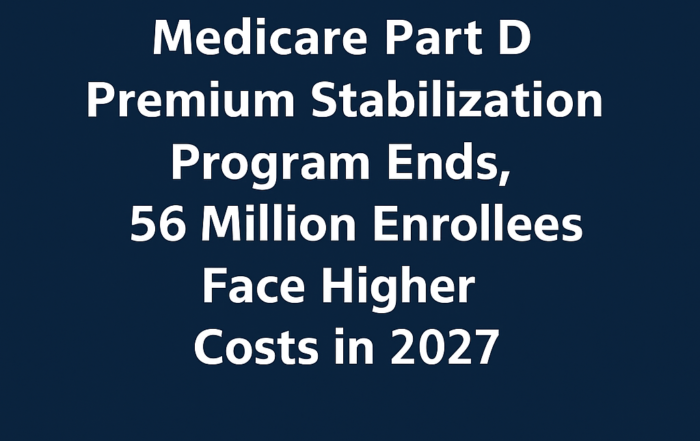
The Trump administration announced it will end the Part D Premium Stabilization Demonstration after the 2026 plan year, one year earlier than originally planned.
That program was the reason drug premiums stayed manageable for the past two years.
Without it, according to Elder Law Answers, the national base beneficiary premium is projected to rise about 6 percent, from $38.99 per month in 2026 to $41.33 per month in 2027.
Sounds small. But let me put this in context.
Here is what is actually happening:
🔹 Roughly 56 million people are enrolled in Medicare Part D drug plans.
🔹 About 25 million of them are in stand-alone Part D prescription drug plans directly affected by this change.
🔹 Analysts at KFF note the subsidy had lowered the average drug plan premium to about $36 a month this year. Some enrollees could see increases larger than the administration’s $10 estimate.
🔹 The $2,000 annual out-of-pocket cap for prescription drugs remains in place, though the cap may increase to approximately $2,400 in 2027.
The administration’s position is that insurers have had enough time to adjust on their own. CMS Administrator Dr. Mehmet Oz stated that most Medicare recipients will see premium increases of less than $10 a month.
Maybe. But here is what that math ignores.
🔹 Part D premiums vary widely by plan and by region.
🔹 Enrollees in plans that relied heavily on the subsidy could see a much bigger bump.
🔹 For older adults on fixed incomes, even a modest monthly increase hits differently when it stacks on top of rising rent, food, and other costs.
This is not just a policy footnote.
This is 56 million people about to get a premium notice this fall and many of them will not understand why their costs went up.
Open enrollment runs October 15 to December 7. That window matters more this year than it has in a long time.
If you work in Medicare, run a safety-net clinic, or advise patients on benefits, now is the time to get ahead of this. Help people compare plans. Make sure they know about the Extra Help program. Point them to their State Health Insurance Assistance Program counselor.
The policy changed quietly. The impact will not be quiet at all.
👉 Follow Jonathan Govette, CEO of Oatmeal Health, for daily healthcare insights on LinkedIn. Deeper dives in The Oatmeal Bite on Substack: https://news.oatmealhealth.com
Share this article and save a life!
Author:
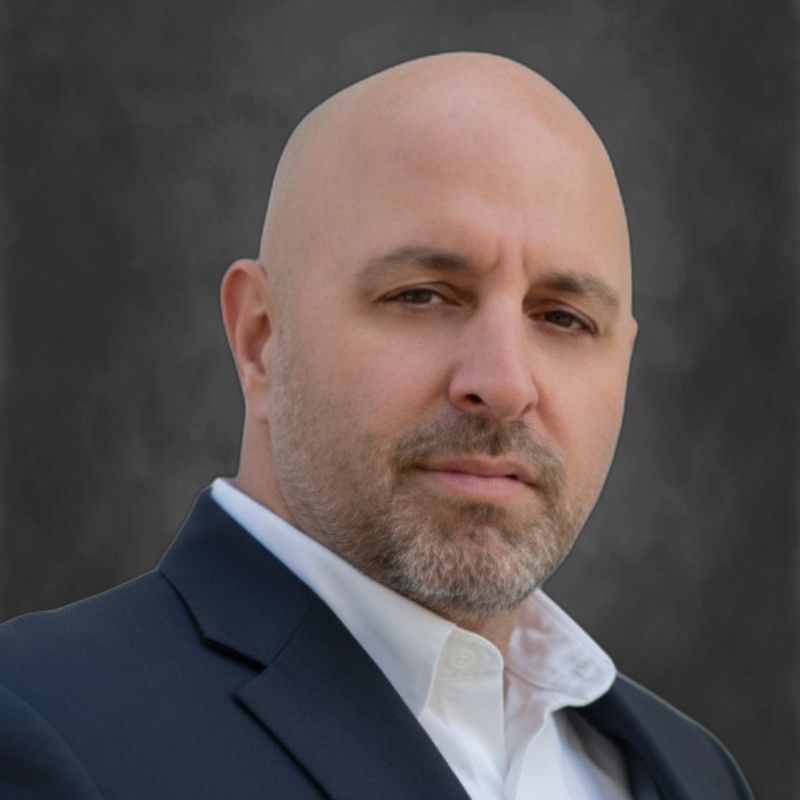
CEO/Co-Founder @ Oatmeal Health | AI Lung Cancer Screening | Almost Became a Doctor | Engineer | Follow to Share What I’ve Learned Along the Way
I help patients get the care they need earlier, preventing late-stage cancer.
That’s been the throughline across three companies and almost 20 years in healthcare. At ReferralMD, we fixed broken referral networks so patients didn’t fall through the cracks. At Oatmeal Health, it’s lung cancer: building the diagnostic and screening infrastructure so the 85% of cases caught too late get caught early instead.
Today as CEO of Oatmeal Health, I lead a team embedding AI into radiology workflows to turn routine lung CT scans into reimbursable cancer risk assessments. We partner with FQHCs to reach underserved communities, and with health systems and payers to make early detection economically sustainable. Think HeartFlow or Cleerly, but for lungs.
Between companies, I advised at Techstars and Plug and Play, mentoring founders building in digital health. That experience shaped how I think about what separates companies that ship from companies that stall: distribution, reimbursement, and clinical trust, not just technology.
I’m a CancerX alumnus, a 3x healthcare founder, and someone who believes the biggest problems in cancer aren’t scientific. They’re operational.
We’re hiring mission-driven builders at Oatmeal Health. If you want to work on something that matters, reach out.
When I’m not working, I’m traveling, mentoring, and keeping up with one very energetic husky. 🐾
Substack – The Oatmeal Bite:
Millions of patients get less care because of who they are, where they live, or how they look. I’m fighting to change that. CEO @OatmealHealth, a startup built for the underserved. The Oatmeal Bite: intel for clinicians, investors, and advocates.
Jonathan Govette
CEO of Oatmeal Health
Substack:
https://oatmealhealthjonathangovette.substack.com/