Share this article and save a life!
40,000 Boston residents could lose Medicaid by January 2027. 🚨
And the city is not waiting around to find out what happens next.
According to Boston.gov, Mayor Michelle Wu and the Boston Public Health Commission are awarding $3.3 million to 10 community health centers right now, ahead of the surge. The funding comes from the city’s last year of American Rescue Plan Act money. Ten centers will each receive $300,000, with an additional $300,000 going to the Massachusetts League of Community Health Centers.
The math here is brutal and predictable.
MassHealth projects that new federal work and education requirements alone will put around 40,000 Boston residents at risk of losing coverage starting in January 2027. About 40% of those individuals live in Dorchester and Roxbury. Another 20% are in Hyde Park, South End, and Mattapan.
These are not abstractions. These are neighborhoods.
🔹 Community health centers see all patients regardless of income or insurance status
🔹 More uninsured patients means more visits with less reimbursement
🔹 Many centers are still recovering from COVID-era revenue losses and staffing shortages
🔹 Boston already carries a 23-year life expectancy gap between neighborhoods
As Dr. Bisola Ojikutu, Commissioner of Public Health for the City of Boston, put it: an increase in uninsured patients does not mean a decrease in the number of patients needing care. It means more people arriving sicker, later, with conditions that could have been managed years earlier.
That sentence deserves a full stop.
💡 This is exactly how FQHCs and community health centers operate. The door stays open no matter what. The center absorbs the shock while the rest of the system debates policy.
What I respect about this move: Boston is funding the front lines before the wave hits, not after the crisis is already on the evening news. That is how you actually support a safety net, not just celebrate one.
Most cities will wait. Then scramble. Then underfund. Then repeat.
The 40,000 residents at risk did not create the federal policy shift that threatens their coverage. But they will walk through the doors of community health centers when they have nowhere else to go. That is the reality these teams will manage, every single day, starting in January.
Hope more cities are watching Boston right now.
👉 Follow Jonathan Govette, CEO of Oatmeal Health, for daily healthcare insights on LinkedIn. Deeper dives in The Oatmeal Bite on Substack: https://news.oatmealhealth.com
Share this article and save a life!
Author:
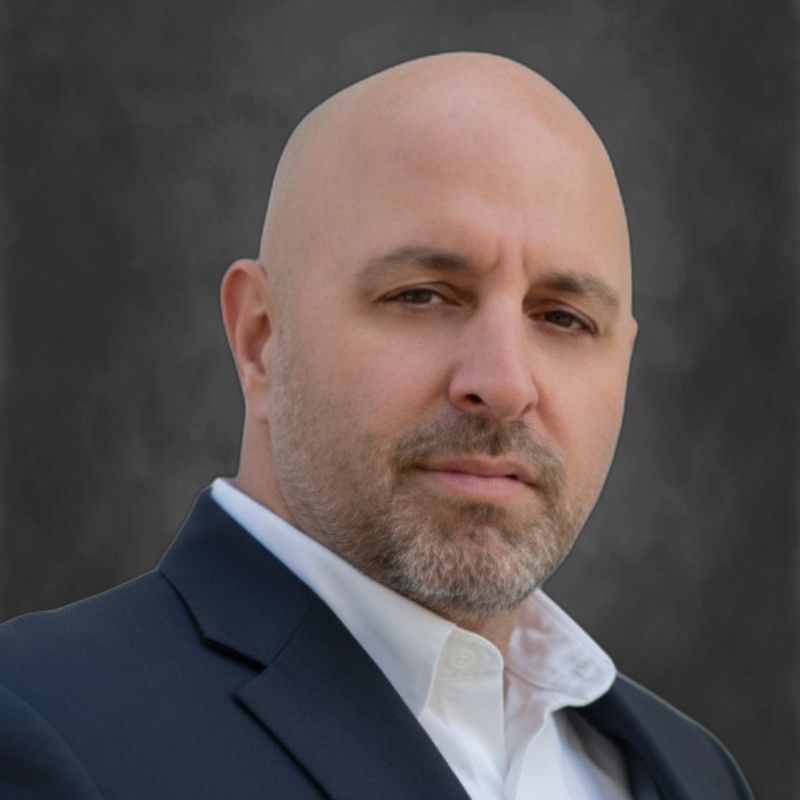
CEO/Co-Founder @ Oatmeal Health | AI Lung Cancer Screening | Almost Became a Doctor | Engineer | Follow to Share What I’ve Learned Along the Way
I help patients get the care they need earlier, preventing late-stage cancer.
That’s been the throughline across three companies and almost 20 years in healthcare. At ReferralMD, we fixed broken referral networks so patients didn’t fall through the cracks. At Oatmeal Health, it’s lung cancer: building the diagnostic and screening infrastructure so the 85% of cases caught too late get caught early instead.
Today as CEO of Oatmeal Health, I lead a team embedding AI into radiology workflows to turn routine lung CT scans into reimbursable cancer risk assessments. We partner with FQHCs to reach underserved communities, and with health systems and payers to make early detection economically sustainable. Think HeartFlow or Cleerly, but for lungs.
Between companies, I advised at Techstars and Plug and Play, mentoring founders building in digital health. That experience shaped how I think about what separates companies that ship from companies that stall: distribution, reimbursement, and clinical trust, not just technology.
I’m a CancerX alumnus, a 3x healthcare founder, and someone who believes the biggest problems in cancer aren’t scientific. They’re operational.
We’re hiring mission-driven builders at Oatmeal Health. If you want to work on something that matters, reach out.
When I’m not working, I’m traveling, mentoring, and keeping up with one very energetic husky. 🐾
Substack – The Oatmeal Bite:
Millions of patients get less care because of who they are, where they live, or how they look. I’m fighting to change that. CEO @OatmealHealth, a startup built for the underserved. The Oatmeal Bite: intel for clinicians, investors, and advocates.
Jonathan Govette
CEO of Oatmeal Health
Substack:
https://oatmealhealthjonathangovette.substack.com/