$100.3 million. That’s what H.R. 1 costs Minnesota’s FQHCs by 2030. 🧮
I read that number in a new report from Facktor and Capital Link, commissioned by the Minnesota Association of Community Health Centers. And I sat with it for a minute.
These are 17 clinics. Seventeen. They run more than 80 sites across the state, serving nearly 200,000 low-income Minnesotans in urban and rural settings, regardless of insurance status or ability to pay. That is the safety-net doing exactly what it is supposed to do.
Now watch what happens when the policy environment shifts beneath them.
🔹 More than 71,000 patients are at risk of losing health coverage over the next four years.
🔹 The projected revenue loss totals $100.3 million by 2030.
🔹 78 layoffs are expected statewide.
🔹 Local economic contributions are forecast to drop by $16 million.
🔹 Minnesota’s uninsured rate already climbed from 3.8% in 2023 to 5.8% in 2025, before the new H.R. 1 provisions even fully kick in.
Three converging forces are driving this:
Expiring enhanced ACA marketplace tax credits. New twice-yearly Medicaid eligibility checks. And work requirements for Medicaid expansion adults, taking effect January 1, 2027, requiring proof of 80 hours per month of work, school, training, or volunteering.
Every one of those is an administrative hurdle. And FQHCs absorb the cost of every patient who falls through.
💡 This is the part most people miss.
FQHCs don’t just lose revenue when patients lose coverage. They lose it while simultaneously treating more of those same patients for free. Uncompensated care goes up. Staffing capacity stays the same or shrinks. The math gets worse every quarter.
According to MACHC CEO Jonathan Watson, the resulting revenue loss threatens clinic sustainability, forces thousands to forgo primary care, and increases avoidable emergency room visits and hospital stays.
He’s right. And he’s describing something I’ve seen play out at safety-net centers across the country. Coverage losses don’t reduce patient volume. They just shift who pays for it, and usually the answer is nobody.
The MACHC is calling on state leaders to strengthen eligibility processes through data matching, hire outreach workers to catch Medicaid enrollees before they lapse, bolster MinnesotaCare funding, and build coalitions with schools and workforce centers.
That coalition-building piece matters. FQHCs cannot stabilize enrollment alone.
Minnesota has 17 of these centers. Many states have fewer. And this report reflects a dynamic unfolding nationwide, not just in Minneapolis and St. Paul.
If your state hasn’t run these numbers yet, it should.
👉 Follow Jonathan Govette, CEO of Oatmeal Health, for daily healthcare insights on LinkedIn. Deeper dives in The Oatmeal Bite on LinkedIn: https://www.linkedin.com/newsletters/the-oatmeal-bite-7368331304385314817/
Author:
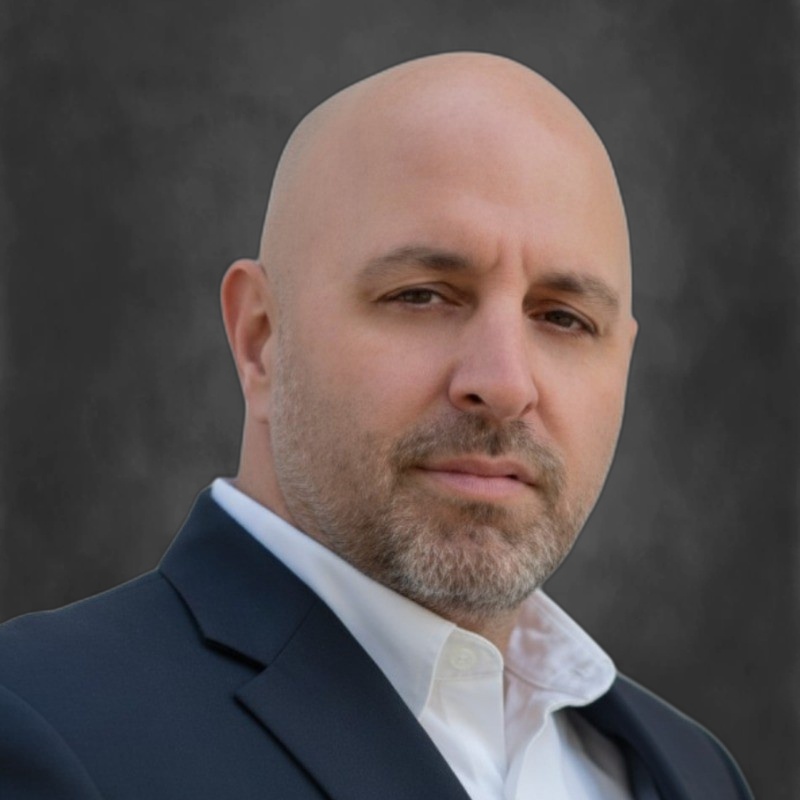
CEO/Co-Founder @ Oatmeal Health | AI Lung Cancer Screening | Almost Became a Doctor | Engineer | Follow to Share What I’ve Learned Along the Way