

7 Essential Recommendations for FQHC Leaders to Ensure Success and Sustainability
Federally Qualified Healthcare Centers (FQHCs) play a crucial role in the healthcare delivery system of the United States. According to NACHC, they serve around 30 million people, or 1 in 11 Americans, through their 1,400 centers, nearly 16,000 healthcare service sites, and 126 additional look-alike centers. Despite their importance, there is limited information available on these centers, their leaders, and the trends affecting them. Recent interviews of FQHC CEOs by Oatmeal Health have highlighted some of the unique challenges faced by these organizations in terms of leadership, competition, and financial sustainability. The interviews found that community health centers must adopt a business mindset in order to stay open and continue serving their communities. To help FQHCs sustain their organizations ...
The Truth about Physician Burnout: A National Crisis
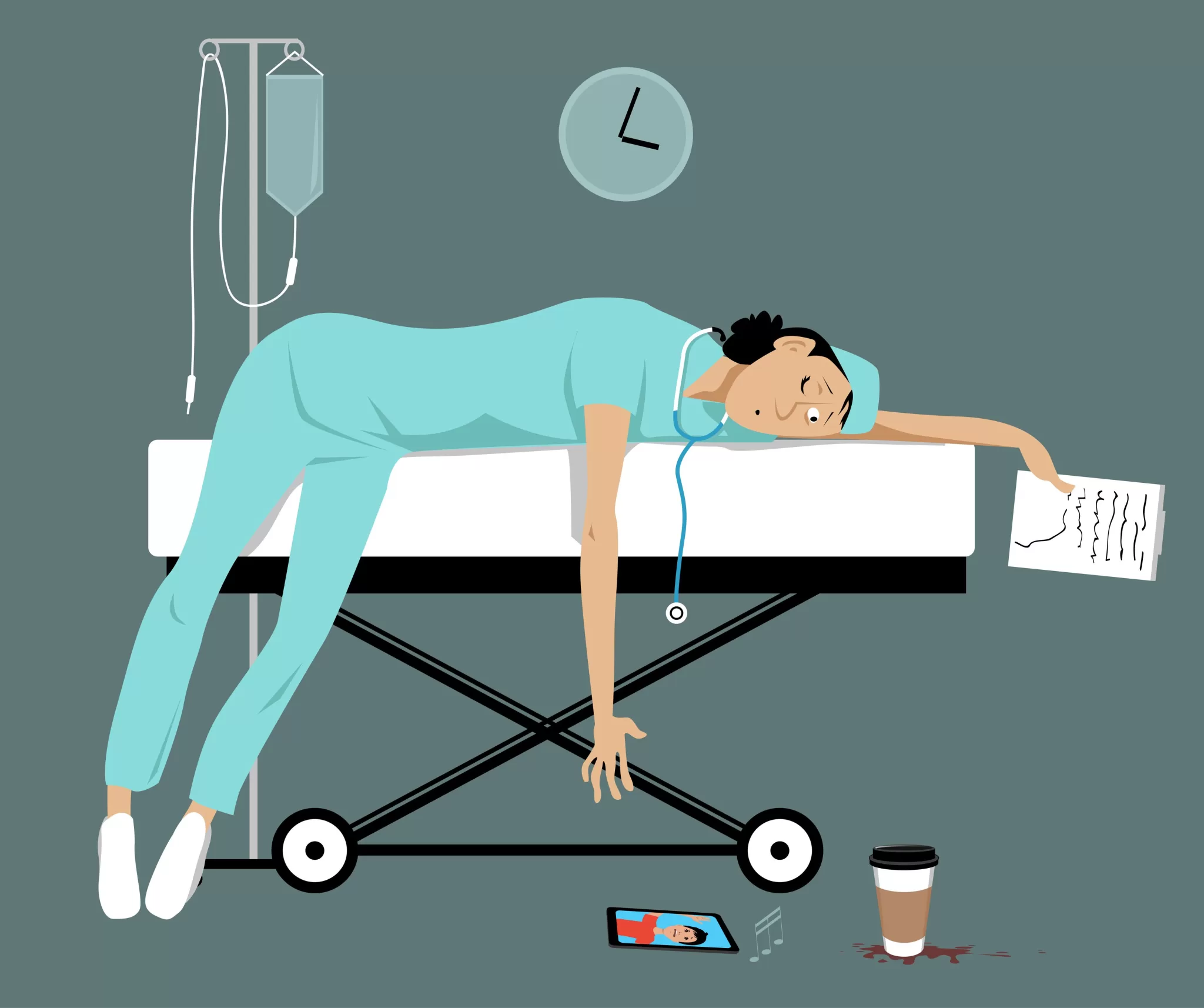
Physicians are not “burning out”. Physicians are being “driven out.” Call this crisis what it is… Abuse. Try telling an emotionally abused spouse that they need “mindfulness training”. You’ll get a mouthful of mindful. Offer deep breathing classes to treat your toxic workplace. Employees will hold their breath to leave. Abuse cannot be treated with yoga. The 400 physician suicides each year are not from weakness within physicians. The brightest and best are being poisoned by an “industry” that abuses them. Calling this crisis “Burnout” is only a convenient way for the “industry” to deny its role in the destruction of a noble profession. “Healthcare does not need to change, it’s these physicians that need to change,” says the Chief ...
Oatmeal Health Expands Cancer Screening Services to Arizona and Announces a Partnership with El Rio Health
Oatmeal Health Startup Partners with El Rio Health to Expand Lung Cancer Screenings to Underserved Americans In Arizona Oatmeal Health, a technology-enabled virtual nodule cancer clinic and patient engagement startup providing high-quality lung cancer screenings for high-risk underserved Americans, today announced a partnership with El Rio Health, an FQHC with 13 locations in Tucson Arizona. Doug Spegman M.D., MSPH, FACP, Chief Clinical Officer for El Rio Health “Partnering with Oatmeal Health on this proof-of-concept project is important in terms of advancing lung cancer screening as a public health initiative. Equally important is bringing this opportunity to the patients we serve within the community health center movement who frequently suffer disproportionately, barriers to healthcare and lack of access to innovations in ...
Which Nodule is More Worrisome? Take the Test
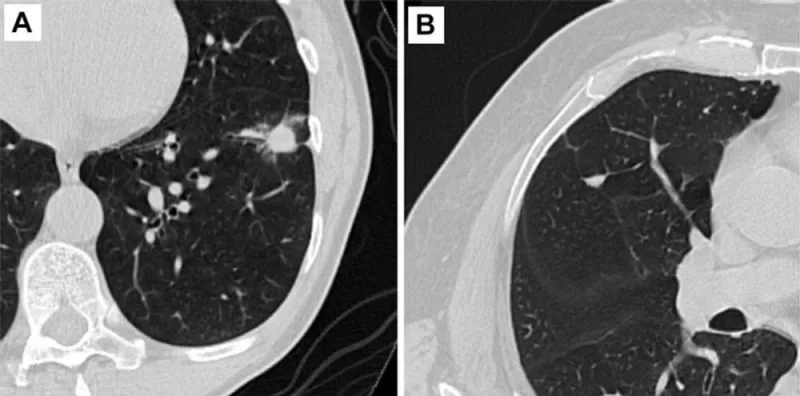
For my non-radiology colleagues, which nodule is which is worrisome? A or B? Lung cancer found early, 10mm or less, improves long-term survival, per Dr. Henschke's most recent study. “What we present here is the 20-year follow-up on participants in our screening program that were diagnosed with lung cancer and subsequently treated,” Dr. Claudia Henschke of Icahn School of Medicine at Mount Sinai “The key finding is that even after this long a time interval they are not dying of their lung cancer.” The study found that the 20-year survival rate was 80% for the 1,285 I-ELCAP participants who were diagnosed with early-stage lung cancer. The survival rate for both the 139 participants with nonsolid cancerous lung nodules and the ...

The Truth about Healthcare AI and Why It has Failed So Far
The History of AI: The history of AI in healthcare dates back to the 1950s when researchers began exploring the use of computers to diagnose medical conditions. In the decades that followed, AI technologies such as machine learning and natural language processing were developed, and these technologies have been applied to a variety of healthcare tasks, including radiology. 1940-1960: Birth of AI in the wake of cybernetics 1980-1990: Expert systems Since 2010: a new bloom based on massive data and new computing power Artificial intelligence (AI) has the potential to revolutionize the healthcare industry. By automating certain tasks and providing doctors with more accurate and timely information, AI can help improve patient outcomes and reduce healthcare costs. However, despite its potential ...
Oatmeal Health To Bring Innovation, Tech-Enabled Lung Cancer Screening to The Clinic in Oklahoma
SAN DIEGO CALIFORNIA & ADA OKLAHOMA Oatmeal Health, a Patient Success Service supported by AI-Enabled Imaging for Medicaid and Medicare beneficiaries, announced today a new partnership with the Central Oklahoma Family Medical Center FQHC (The Clinic) to bring tech-enabled lung cancer screenings to their patients. “We founded Oatmeal Health in May 2022 and in just a few months are in partnership conversations with FQHCs in 5 states and counting,” said Jonathan Govette, Oatmeal Health’s CEO, and co-founder. “We are excited to work alongside Central Oklahoma Family Medical Center at 10 locations in Ada, Konawa, Stratford, and Seminole to meet their patients' most pressing lung cancer screening needs, and the response from their staff has been overwhelmingly positive." Currently, lung ...
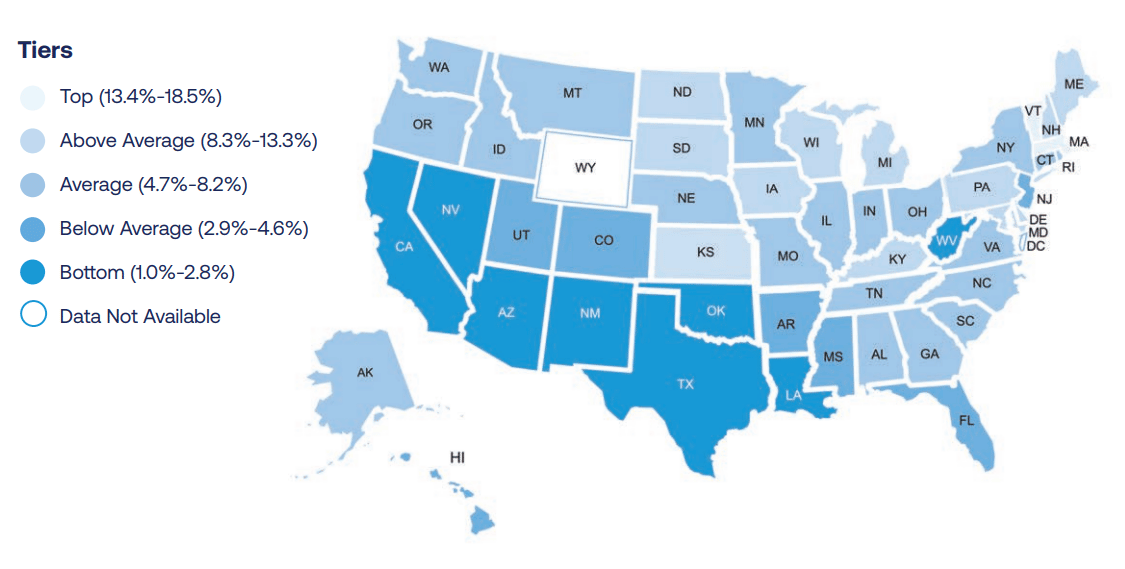
Why is Lung Cancer Screening Failing in 2022
Every lung cancer screening system is perfectly designed for the results it achieves. Good or Bad. What if you don't have a system? Per the team at the Medical University of South Carolina, a centralized approach to LCS is the way to go: "Emerging data suggest that annual adherence is poor and that a centralized approach to screening improves adherence. [Within their study] Overall adherence was 56%; however, adherence in the centralized program was 70%, compared with 41% with the decentralized approach (P < .001)." Pubmed link: https://lnkd.in/g9StVnKR A centralized approach has another critical benefit per Anil Vachani and the team at Penn Medicine, University of Pennsylvania Health System. They share that we can begin to address equity with a centralized ...
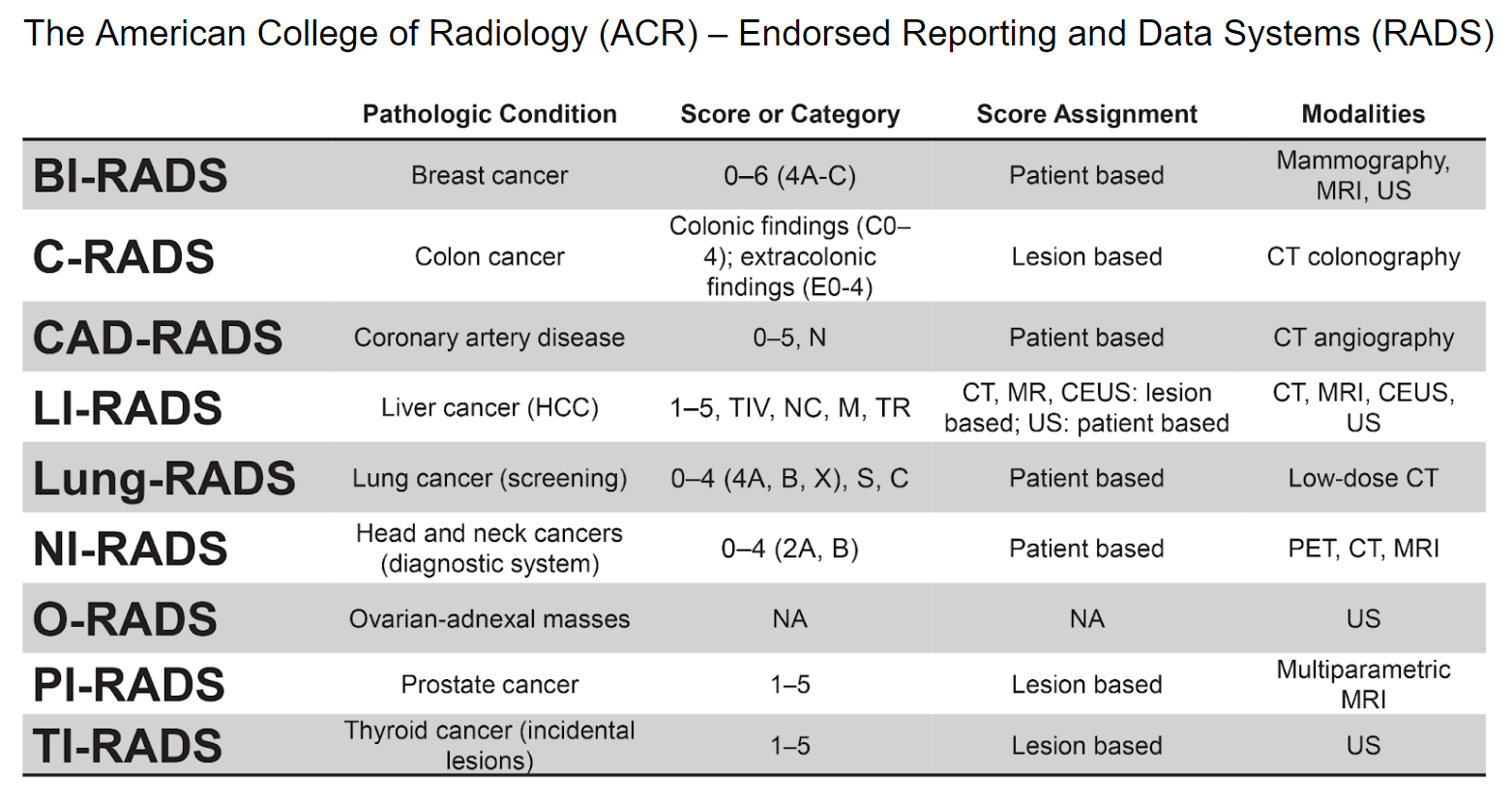
What are Imaging RADS and Why is it Important to Primary Care and your Patient’s Health
At some point, it won’t be realistic to expect primary care providers to do ‘one more thing.’ due to limited time in their already packed schedule, as noted in an article Jonathan Govette wrote called "The Battle Between Primary Care and Time: The Doctors are Losing" In the early 90s, radiology created an important system to improve breast cancer screening and reporting called BI-RADS. New areas have been added and the list is now up to 9, including liver, thyroid, and lung. And there are 6 more in the works. These are critical to systematizing the valuable data extracted from imaging. What is RADS, and why is it important? "Imaging RADS" refer to the Radiology Reporting and Data System, ...