Share this article and save a life!
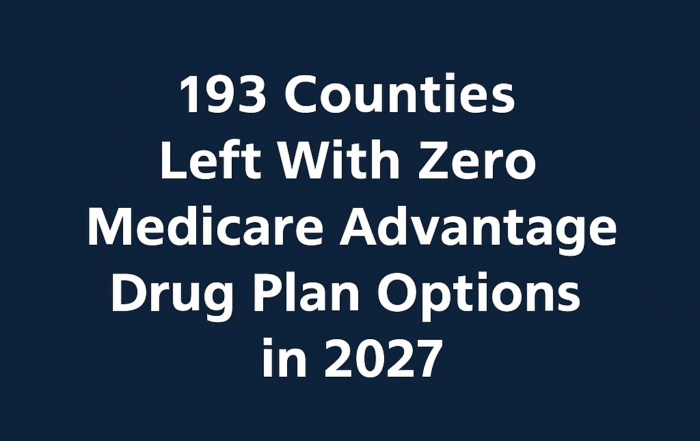
193 counties will have zero Medicare Advantage prescription drug plan options in 2027. 😳 That number was 123 counties in 2026, and it will keep climbing.
According to reporting by Quartz and KFF data published this week, the average Medicare beneficiary can now choose from 35 plans for 2027, down from 39 in 2026. The typical beneficiary looking specifically for a prescription drug plan will see just 28 options, down from 32.
Those numbers sound like minor rounding. They are not.
Look at the county-level carnage:
🔹 UnitedHealth Group is exiting 228 counties and entering just 9 new ones
🔹 Health Care Service Corporation is leaving 498 counties and entering none
🔹 Centene is exiting 359 counties and entering 15
🔹 Humana is leaving 62 counties and entering 4
🔹 Group 1001 and Molina Healthcare are exiting the Medicare Advantage prescription drug market entirely
Humana’s cuts affect roughly 600,000 members. UnitedHealth’s discontinuations cover approximately 390,000 more. UnitedHealthcare President Bobby Hunter cited “funding pressures, rising medical costs, rising drug costs, and increased utilization” as the reasons. That is a polished way of saying the economics stopped working in their favor.
Now 638,000 people across 16 states and several U.S. territories will have no Medicare Advantage prescription drug plan available for general enrollment in 2027. That is up from 399,000 people the year before.
CMS will tell you that more than 99% of beneficiaries still have access to at least one MA plan, and that 97% have access to 10 or more options nationally. That is technically accurate and practically misleading.
📍 A senior in rural Alaska, or in one of those 193 counties, does not care about the national average. They care about what is available in their ZIP code. And in a growing number of ZIP codes, the answer is nothing.
Here is what genuinely bothers me about how this story gets framed. Insurers entering and exiting markets is described as healthy competition. But when the same four companies control the majority of the Medicare Advantage market and then simultaneously pull back from the same counties, that is not competition. That is coordination by incentive.
And now open enrollment opens October 15 and runs through December 7. Millions of seniors, many of them managing chronic conditions, have weeks to sort through what is left.
The systemic issue is that Medicare Advantage was sold to the public as a better, more efficient version of Medicare. More benefits, lower premiums. What nobody disclosed clearly enough is that the plans exist at the pleasure of insurer profitability. The moment margins compress, the plans exit. Seniors left holding the letter are not market casualties. They are people who made long-term healthcare decisions based on a product that evaporated.
This is two consecutive years of mass cancellations hitting millions of seniors. At what point does Washington stop calling it a market adjustment and start calling it a design flaw?
👉 Follow Jonathan Govette, CEO of Oatmeal Health, for daily healthcare insights on LinkedIn. Deeper dives in The Oatmeal Bite on Substack: https://news.oatmealhealth.com
Share this article and save a life!
Author:
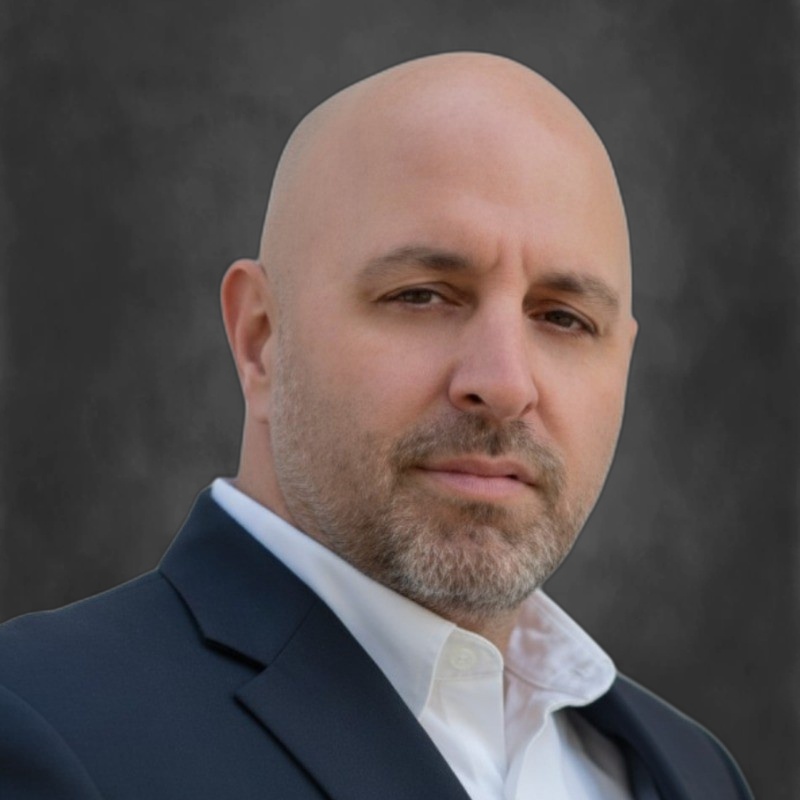
CEO/Co-Founder @ Oatmeal Health | AI Lung Cancer Screening | Almost Became a Doctor | Engineer | Follow to Share What I’ve Learned Along the Way
I help patients get the care they need earlier, preventing late-stage cancer.
That’s been the throughline across three companies and almost 20 years in healthcare. At ReferralMD, we fixed broken referral networks so patients didn’t fall through the cracks. At Oatmeal Health, it’s lung cancer: building the diagnostic and screening infrastructure so the 85% of cases caught too late get caught early instead.
Today as CEO of Oatmeal Health, I lead a team embedding AI into radiology workflows to turn routine lung CT scans into reimbursable cancer risk assessments. We partner with FQHCs to reach underserved communities, and with health systems and payers to make early detection economically sustainable. Think HeartFlow or Cleerly, but for lungs.
Between companies, I advised at Techstars and Plug and Play, mentoring founders building in digital health. That experience shaped how I think about what separates companies that ship from companies that stall: distribution, reimbursement, and clinical trust, not just technology.
I’m a CancerX alumnus, a 3x healthcare founder, and someone who believes the biggest problems in cancer aren’t scientific. They’re operational.
We’re hiring mission-driven builders at Oatmeal Health. If you want to work on something that matters, reach out.
When I’m not working, I’m traveling, mentoring, and keeping up with one very energetic husky. 🐾
Substack – The Oatmeal Bite:
Millions of patients get less care because of who they are, where they live, or how they look. I’m fighting to change that. CEO @OatmealHealth, a startup built for the underserved. The Oatmeal Bite: intel for clinicians, investors, and advocates.
Jonathan Govette
CEO of Oatmeal Health
Substack:
https://oatmealhealthjonathangovette.substack.com/