Share this article and save a life!
Lung cancer kills more people than any other cancer. We still can’t get patients screened. 🫁
According to The Spokesman-Review, lung cancer is projected to kill more than 120,000 Americans this year. A low-dose CT scan can catch it early. The test exists. Insurance must cover it. And yet the conversation between clinician and patient almost never happens.
New research published in the American Journal of Surgery tells us exactly how broken this is.
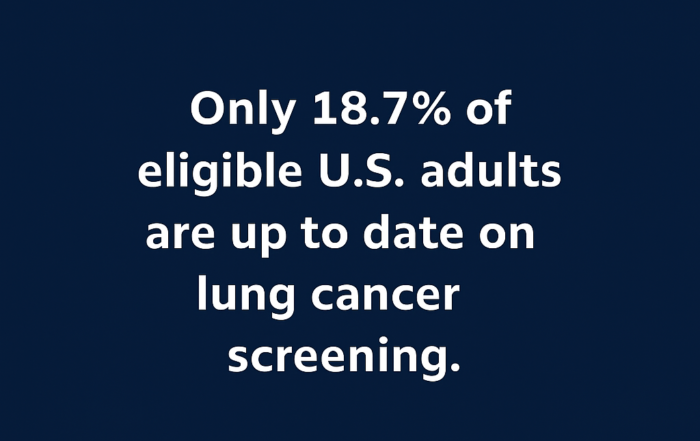
University of Cincinnati researchers surveyed roughly 1,500 people eligible for lung cancer screening. Only around 220 had spoken to a healthcare professional about it in the past year. That is about 1 in 6.
Not 1 in 6 who got screened. 1 in 6 who even had the conversation.
Here is what makes that number worse. The patients most likely to have had the discussion were current smokers and people with existing lung disease. The highest-risk, most visible patients. Former smokers who quit years ago are being left out entirely, even though the science says they still carry enormous risk.
🔹 15 years after quitting, the risk of developing lung cancer remains as much as 10 times higher than among people who never smoked.
🔹 30 years after quitting, the risk of dying from lung cancer still remains three to four times higher.
🔹 The American Cancer Society broadened its screening recommendations in 2023 to include anyone with at least a 20 pack-year smoking history, regardless of when they quit.
The USPSTF criteria, which the study used, are narrower. They exclude people who quit more than 15 years ago. If researchers had applied the ACS guidelines instead, the 1-in-6 number would almost certainly be lower.
The Clinician Conversation Gap: A Decision Framework
| Patient Profile | Should Be Screened | Actually Having the Talk |
|—|—|—|
| Current smokers, ages 50-80 | Yes | Most likely |
| Recent quitters (under 15 years) | Yes | Sometimes |
| Long-term quitters (over 15 years, ACS criteria) | Yes | Rarely |
| Former smokers with 20+ pack-years | Yes | Almost never |
Save this table. It is the gap your care team needs to close.
🔹 This is the structural problem Oatmeal Health was built for. The scan is not the bottleneck. The conversation is. And in underserved communities, where patients see fewer specialists and have fewer touchpoints with the system, the conversation gap is even wider.
Former smokers who quit decades ago believe they are off the hook. Some of their doctors do too. That belief is costing lives. The data on persistent risk is clear. The guidelines have already caught up. Clinical practice has not.
120,000 deaths projected this year. A test that works. And only 1 in 6 eligible patients even being asked about it.
That is not a technology problem. It is a prioritization problem.
👉 Follow Jonathan Govette, CEO of Oatmeal Health, for daily healthcare insights on LinkedIn. Deeper dives in The Oatmeal Bite on Substack: https://news.oatmealhealth.com
Share this article and save a life!
Author:
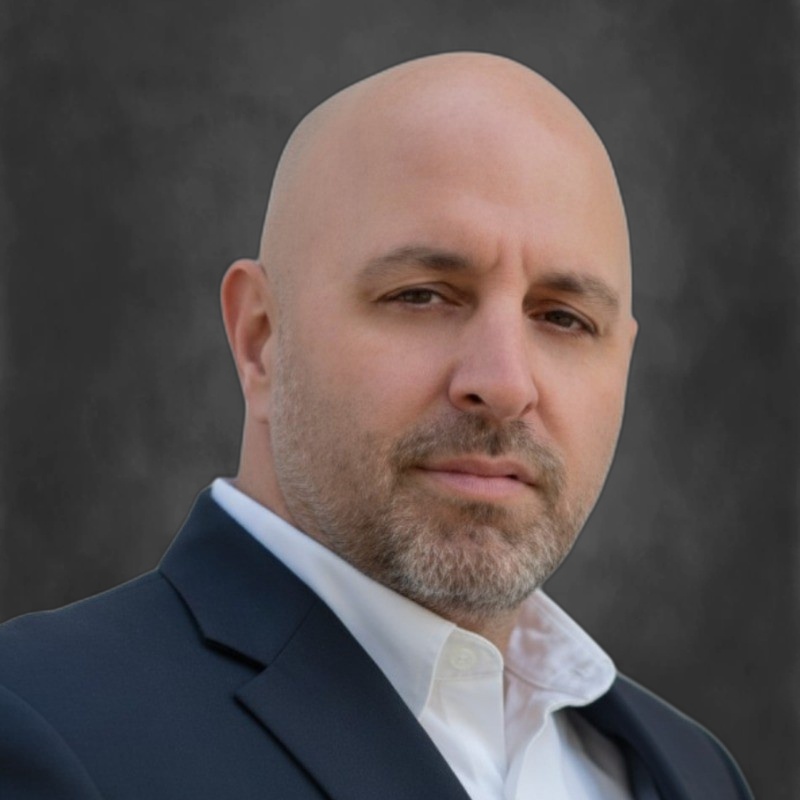
CEO/Co-Founder @ Oatmeal Health | AI Lung Cancer Screening | Almost Became a Doctor | Engineer | Follow to Share What I’ve Learned Along the Way
I help patients get the care they need earlier, preventing late-stage cancer.
That’s been the throughline across three companies and almost 20 years in healthcare. At ReferralMD, we fixed broken referral networks so patients didn’t fall through the cracks. At Oatmeal Health, it’s lung cancer: building the diagnostic and screening infrastructure so the 85% of cases caught too late get caught early instead.
Today as CEO of Oatmeal Health, I lead a team embedding AI into radiology workflows to turn routine lung CT scans into reimbursable cancer risk assessments. We partner with FQHCs to reach underserved communities, and with health systems and payers to make early detection economically sustainable. Think HeartFlow or Cleerly, but for lungs.
Between companies, I advised at Techstars and Plug and Play, mentoring founders building in digital health. That experience shaped how I think about what separates companies that ship from companies that stall: distribution, reimbursement, and clinical trust, not just technology.
I’m a CancerX alumnus, a 3x healthcare founder, and someone who believes the biggest problems in cancer aren’t scientific. They’re operational.
We’re hiring mission-driven builders at Oatmeal Health. If you want to work on something that matters, reach out.
When I’m not working, I’m traveling, mentoring, and keeping up with one very energetic husky. 🐾
Substack – The Oatmeal Bite:
Millions of patients get less care because of who they are, where they live, or how they look. I’m fighting to change that. CEO @OatmealHealth, a startup built for the underserved. The Oatmeal Bite: intel for clinicians, investors, and advocates.
Jonathan Govette
CEO of Oatmeal Health
Substack:
https://oatmealhealthjonathangovette.substack.com/