Share this article and save a life!
Radiologists don’t need more AI detections. They need AI that thinks.
Stanford’s AIDE Lab just partnered with Radiology Partners to solve a problem the industry finally admitted: detection was never the bottleneck.
Here’s what’s actually happening in radiology AI right now:
Radiologists are already exceptional at finding disease markers. What exhausts them? The cognitive load of synthesizing findings, comparing prior exams, and generating reports.
The market is responding. AI vision language models for draft report generation are moving from pilots to production. Chest X-ray models are live. CT and MRI models are next.
But here’s the real shift:
The conversation has moved from “Which algorithm is best?” to “How do we run AI safely in production?”
Stanford and Radiology Partners aren’t building another detection tool. They’re creating frameworks for continuous AI monitoring, because a model that works in one hospital might fail in another.
🔍 Consider this: Opportunistic screening through AI-enabled CT is now adding cardiometabolic assessments to routine scans, finding conditions we weren’t even looking for.
The winners in 2026 won’t be companies with the best algorithms. They’ll be platforms that integrate into existing PACS workflows, synthesize longitudinal data, and actually reduce radiologist burnout.
Multimodal fusion is the next frontier: combining imaging with clinical context to create AI that understands the whole patient story, not just the current scan.
The American College of Radiology now emphasizes formal AI governance structures. Why? Because running 50 different AI models without coordination creates more problems than it solves.
We’re watching the industry consolidate around multi-product platforms. Small point solutions are being absorbed into comprehensive care pathways.
The question for healthcare leaders:
Are you investing in AI that finds more needles in haystacks? Or AI that helps radiologists think faster and better?
Because radiologists don’t need more red boxes on screens. They need partners that understand their actual workflow pain points.
♻️ Repost if radiology AI should focus on workflow, not just detection
👉 Follow me, Jonathan Govette, for daily, real-time updates on healthcare technology and business news. LinkedIn Profile: https://www.linkedin.com/in/jonathangovette/
Share this article and save a life!
Author:
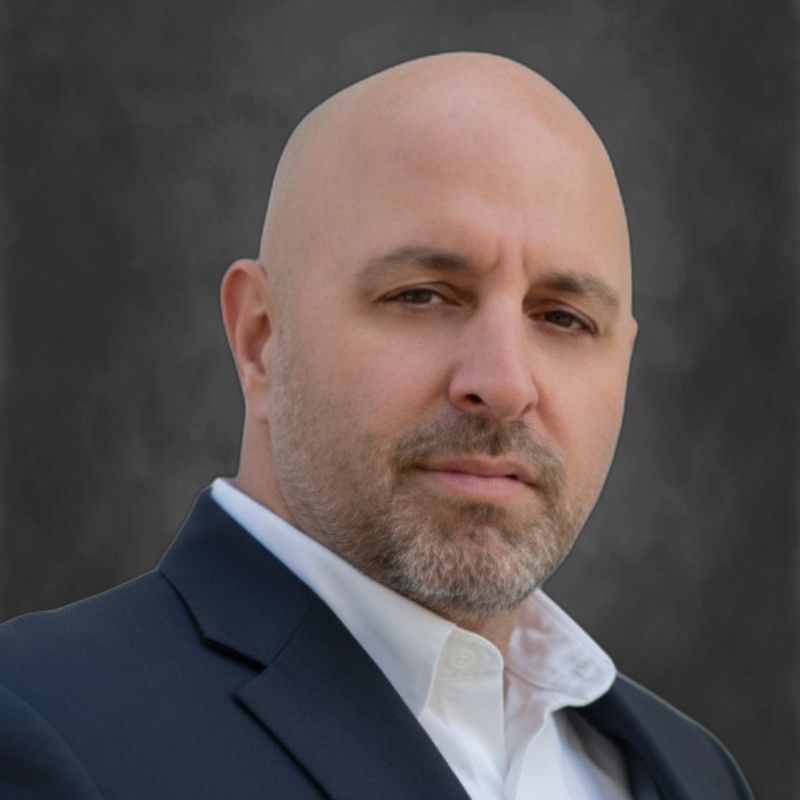
CEO/Co-Founder @ Oatmeal Health | AI Lung Cancer Screening | Almost Became a Doctor | Engineer | Follow to Share What I’ve Learned Along the Way
I help patients get the care they need earlier, preventing late-stage cancer.
That’s been the throughline across three companies and almost 20 years in healthcare. At ReferralMD, we fixed broken referral networks so patients didn’t fall through the cracks. At Oatmeal Health, it’s lung cancer: building the diagnostic and screening infrastructure so the 85% of cases caught too late get caught early instead.
Today as CEO of Oatmeal Health, I lead a team embedding AI into radiology workflows to turn routine lung CT scans into reimbursable cancer risk assessments. We partner with FQHCs to reach underserved communities, and with health systems and payers to make early detection economically sustainable. Think HeartFlow or Cleerly, but for lungs.
Between companies, I advised at Techstars and Plug and Play, mentoring founders building in digital health. That experience shaped how I think about what separates companies that ship from companies that stall: distribution, reimbursement, and clinical trust, not just technology.
I’m a CancerX alumnus, a 3x healthcare founder, and someone who believes the biggest problems in cancer aren’t scientific. They’re operational.
We’re hiring mission-driven builders at Oatmeal Health. If you want to work on something that matters, reach out.
When I’m not working, I’m traveling, mentoring, and keeping up with one very energetic husky. 🐾
Substack – The Oatmeal Bite:
Millions of patients get less care because of who they are, where they live, or how they look. I’m fighting to change that. CEO @OatmealHealth, a startup built for the underserved. The Oatmeal Bite: intel for clinicians, investors, and advocates.
Jonathan Govette
CEO of Oatmeal Health
Substack:
https://oatmealhealthjonathangovette.substack.com/