Share this article and save a life!
A community health center just laid off 101 people. ⚠️
This is not a headline about a health system. It is a headline about the safety net.
According to the San Bernardino Sun, SAC Health, a nonprofit FQHC in San Bernardino affiliated with Loma Linda University Health, completed what it called the final round of a two-phase restructuring. The organization laid off 52 workers in this last round, after cutting 49 nonclinical workers earlier in the month. That is 101 people gone in a matter of weeks.
The stated reason: a multimillion-dollar budget gap.
🔹 Phase one: 49 nonclinical workers cut
🔹 Phase two: 52 additional layoffs
🔹 Two clinics in San Bernardino closed
🔹 Organization described it as a “broad, system-wide reorganization”
SAC Health said patient care will continue without interruption and that it is “not in financial distress.”
I understand why organizations say that. You have to protect patient confidence. You have to keep the lights on. But here is what the statement does not change: an FQHC serving one of the most underserved communities in California just shuttered clinics and cut a hundred jobs.
That is not reorganization language. That is distress by any operational definition.
FQHCs do not run on margins. They run on mission and on the premise that federal and state support will hold. When that support gets shaky, the math turns brutal fast. You cannot absorb a multimillion-dollar gap the way a hospital system can. You do not have the balance sheet. You do not have the investor base. You have patients who have nowhere else to go.
🔹 The Inland Empire is one of the largest medically underserved regions in the country.
🔹 SAC Health was serving communities where Medicaid cuts and coverage losses hit hardest.
🔹 Clinic closures mean those patients now have to travel farther, wait longer, or go without.
What most observers miss is that an FQHC restructuring is not a contained business story. It is a public health event. When a clinic on South K Street or East 3rd Street closes, real people lose their medical home. Their chronic disease management gaps. Their kids miss well visits. Their mental health referrals fall through.
The people who depend on FQHCs cannot just switch providers. That is the whole point of an FQHC.
And SAC Health is not alone. Across the country, community health centers are absorbing the cumulative shock of Medicaid coverage losses, reduced federal grants, and rising operating costs. The Community Health Center Fund mandatory funding runs out December 31. Congress has not acted.
The window is closing.
This story deserves more than a local business brief. It is a signal. When an FQHC starts cutting, the communities it serves pay the price long after the press release fades.
👉 Follow Jonathan Govette, CEO of Oatmeal Health, for daily healthcare insights on LinkedIn. Deeper dives in The Oatmeal Bite on Substack: https://news.oatmealhealth.com
Share this article and save a life!
Author:
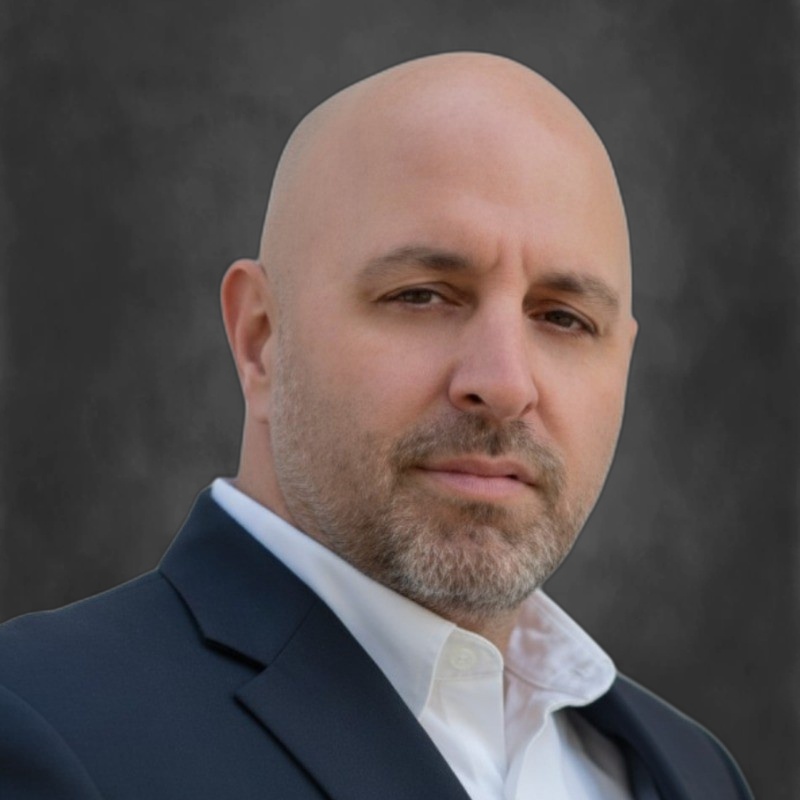
CEO/Co-Founder @ Oatmeal Health | AI Lung Cancer Screening | Almost Became a Doctor | Engineer | Follow to Share What I’ve Learned Along the Way
I help patients get the care they need earlier, preventing late-stage cancer.
That’s been the throughline across three companies and almost 20 years in healthcare. At ReferralMD, we fixed broken referral networks so patients didn’t fall through the cracks. At Oatmeal Health, it’s lung cancer: building the diagnostic and screening infrastructure so the 85% of cases caught too late get caught early instead.
Today as CEO of Oatmeal Health, I lead a team embedding AI into radiology workflows to turn routine lung CT scans into reimbursable cancer risk assessments. We partner with FQHCs to reach underserved communities, and with health systems and payers to make early detection economically sustainable. Think HeartFlow or Cleerly, but for lungs.
Between companies, I advised at Techstars and Plug and Play, mentoring founders building in digital health. That experience shaped how I think about what separates companies that ship from companies that stall: distribution, reimbursement, and clinical trust, not just technology.
I’m a CancerX alumnus, a 3x healthcare founder, and someone who believes the biggest problems in cancer aren’t scientific. They’re operational.
We’re hiring mission-driven builders at Oatmeal Health. If you want to work on something that matters, reach out.
When I’m not working, I’m traveling, mentoring, and keeping up with one very energetic husky. 🐾
Substack – The Oatmeal Bite:
Millions of patients get less care because of who they are, where they live, or how they look. I’m fighting to change that. CEO @OatmealHealth, a startup built for the underserved. The Oatmeal Bite: intel for clinicians, investors, and advocates.
Jonathan Govette
CEO of Oatmeal Health
Substack:
https://oatmealhealthjonathangovette.substack.com/