
Aidoc Wins First AI Radiology NTAP
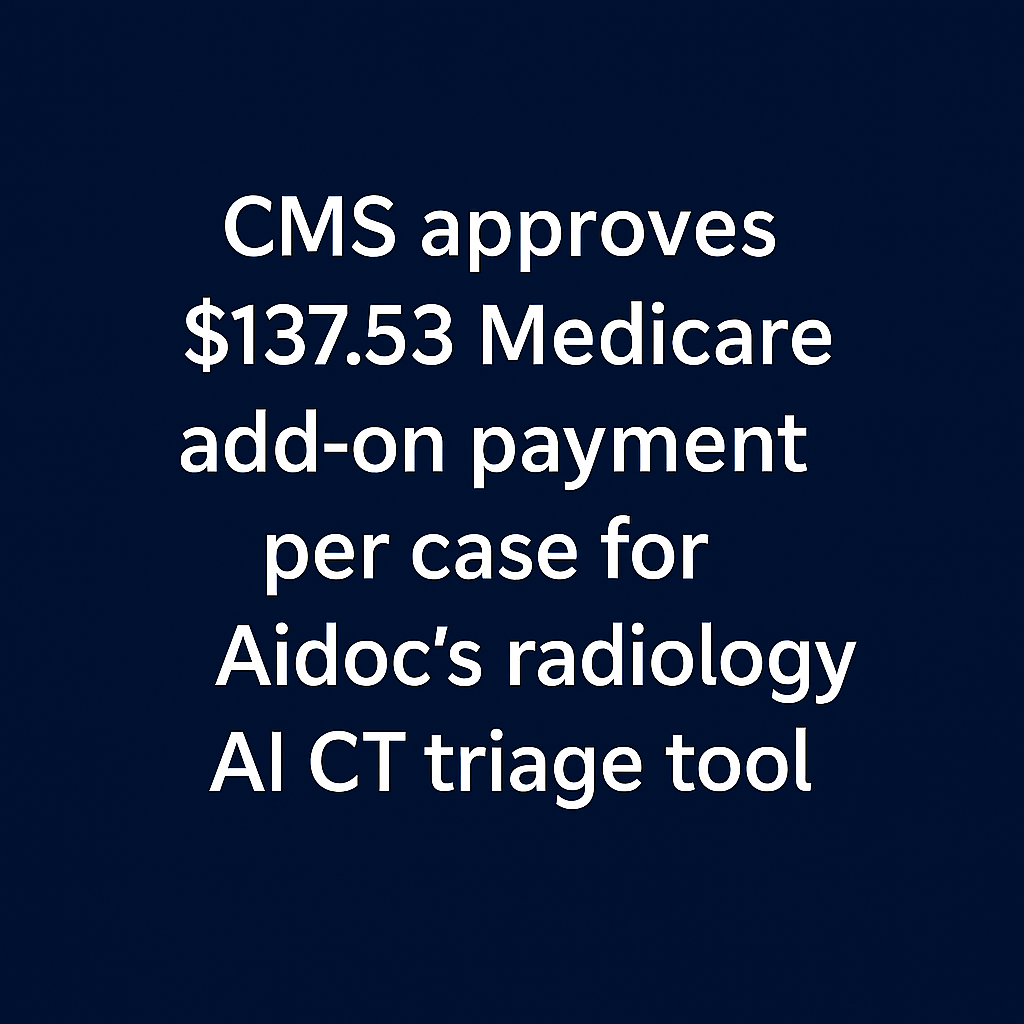
A radiologist reads a non-contrast CT in the ED. The AI already flagged the chest and abdomen for multiple emergent conditions before the read even started. 🩺 This week, that workflow got a price tag from CMS. According to the American College of Radiology, CMS approved a New Technology Add-on Payment, or NTAP, for BriefCase-Triage: CARE Multi-Triage CT Body, Aidoc's AI tool that analyzes CT images and flags potentially urgent findings. The maximum add-on payment is $137.53 per case in FY 2027. It goes live October 1. The consensus view: this is a win for AI adoption. Reimbursement unlocks deployment. Full stop. My read is different. This is a win, and a warning shot, at the same time. Here is ...
CMS Cuts Medicaid Funding for Youth Gender Care
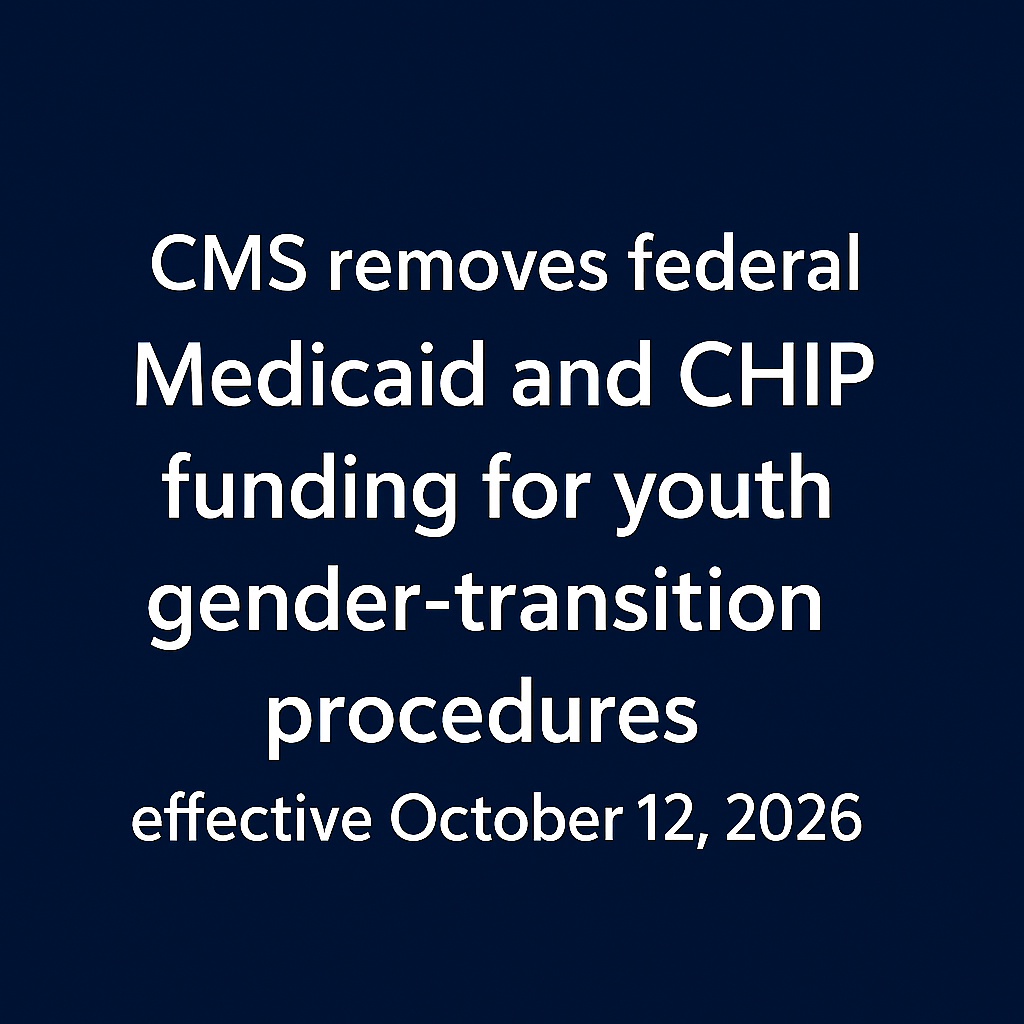
Everyone thinks this is a healthcare ban. It is not. 📋 CMS just finalized a rule that removes federal Medicaid and CHIP dollars from gender-transition procedures for minors. But the rule itself explicitly states that it does not prohibit providers from furnishing these procedures, and it does not prevent states from covering them. That distinction matters enormously for how health systems and state agencies need to respond. Here is what the rule actually does, straight from the Federal Register: • Medicaid: federal matching funds are prohibited for these procedures for anyone under 18 • CHIP: the same prohibition applies through age 18, meaning individuals under 19 • Effective date: October 12, 2026, which is 60 days after publication • Transition ...
Screening Gaps by Citizenship Status
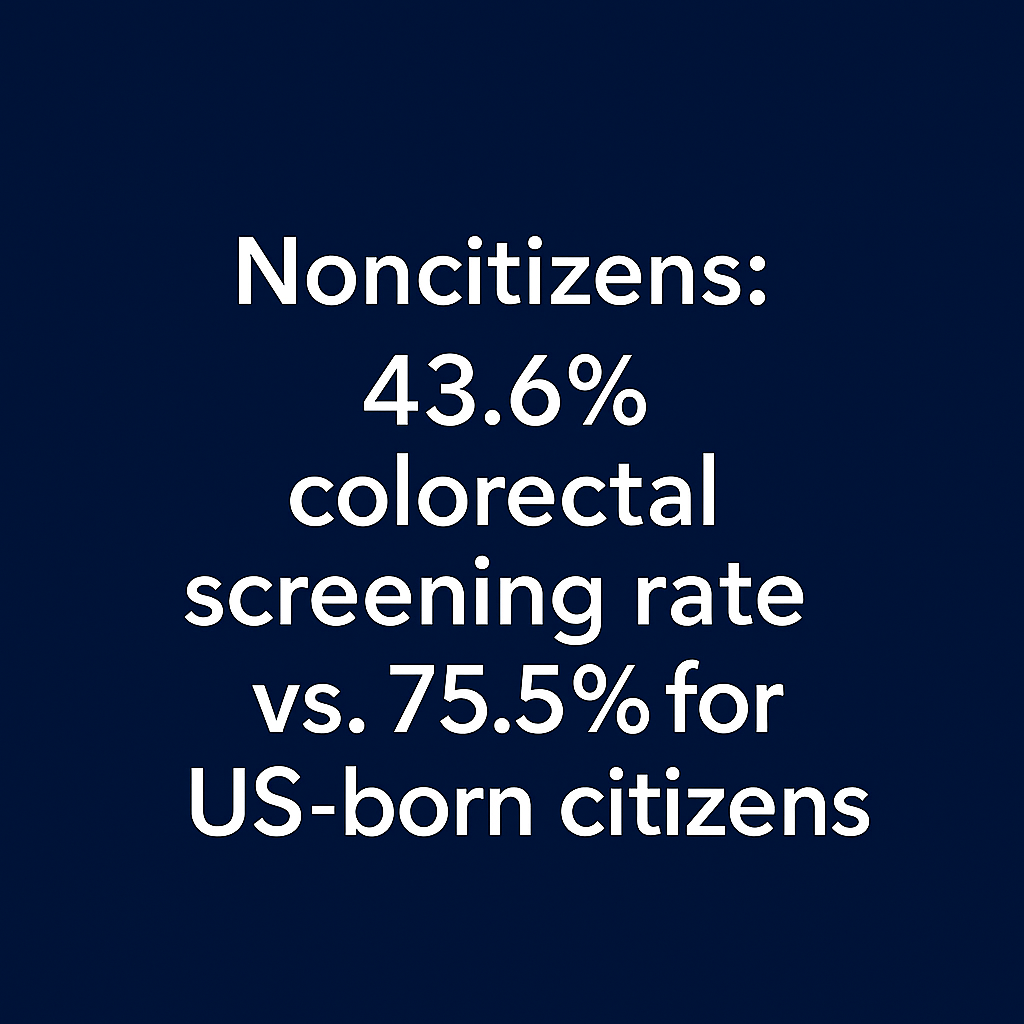
43.6% vs. 75.5%. That is the colorectal screening gap no one is talking about. 🔬 For noncitizens in the United States, the odds of getting screened for colorectal cancer are less than half those of US-born citizens. According to JAMA Network Open, a study of 131,501 eligible participants using National Health Interview Survey data from 2010 to 2023 found the following: - Colorectal screening: 43.6% for noncitizens vs. 75.5% for US-born citizens - Cervical screening: 57.1% vs. 71.6% - Breast cancer screening: 73.0% vs. 80.1% And the odds ratios tell an even starker story. Noncitizens had odds of 0.35 for colorectal screening, 0.41 for cervical, and 0.57 for breast cancer screening compared to US-born citizens. 📊 Cancer is the leading ...
ACA Premium Hikes Are Not The Real Story
Everyone is blaming politics for the ACA hikes. They're missing the point. 🔥 Yes, the expiration of enhanced premium tax credits made things worse. But that is not the root cause of what is happening to American health insurance right now. According to The Texas Dispatch, health insurers selling individual coverage on the ACA marketplace are asking for a median premium increase of 15% for 2027, based on a Peterson-KFF Health System Tracker analysis of 276 insurers across all 50 states and the District of Columbia. This would be the second consecutive year of double-digit increases. Let that land for a second. 📌 Here is what the numbers actually show: - Last year, insurers proposed a median 18% increase. Regulators ...
QuantHealth: AI That Simulates Clinical Trials
What if you could run your clinical trial before running your clinical trial? Pharma CMOs and clinical development leads: that question should stop you cold. More than 90% of drugs that enter clinical trials fail. Three out of four of those failures come down to efficacy and safety, meaning the drug just did not work or was not safe. And by the time you find out, you have already burned years and hundreds of millions of dollars. QuantHealth just raised $45M in Series B funding to change that math. 🧬 Here is who they are and what they built. Founded in 2020 by CEO Orr Inbar and Chief Strategy and Operations Officer Arnon Horev, QuantHealth built an AI platform that ...
Site-Neutral Imaging Payment Threat 2027
CMS just proposed the most disruptive radiology payment shift in years. 🚨 Site-neutral imaging payments are coming for hospital outpatient departments. If you run, bill for, or contract with an outpatient imaging program, you need to understand what changed. Here is the framework. THE CY 2027 SITE-NEUTRAL IMAGING FRAMEWORK (Based on the CMS CY 2027 OPPS Proposed Rule, summarized by the ACR) 1. WHAT IS CHANGING CMS proposed expanding site-neutral payment to noncontrast imaging services furnished in excepted off-campus provider-based departments (PBDs). These are the grandfathered hospital outpatient departments protected under Section 603 of the Bipartisan Budget Act of 2015. They have been billing at higher OPPS rates for years. That protection is now being challenged. 2. WHICH IMAGING SERVICES ...
CHCs: 1 in 7 Americans, Record High
The waiting room is full. It has never been this full. 🏥 It is National Health Center Week, and the numbers just landed. According to xtelligent Patient Engagement, HRSA-funded health clinics treated 32.7 million patients in 2025. That is a historic high for the 61-year-old Health Center Program. Up more than 350,000 patients from 2024. And the NACHC figure is even bigger: 1 in 7 Americans now receives care from a community health center. That includes 1 in 3 in rural America. One year ago that number was 1 in 10. Let that sink in. Those 52.3 million patients are being seen by 340,000 healthcare professionals working across 1,526 CHCs in 17,400 communities. These are not abstract policy numbers. That ...
DeepHealth AI Ultrasound Writes the Report
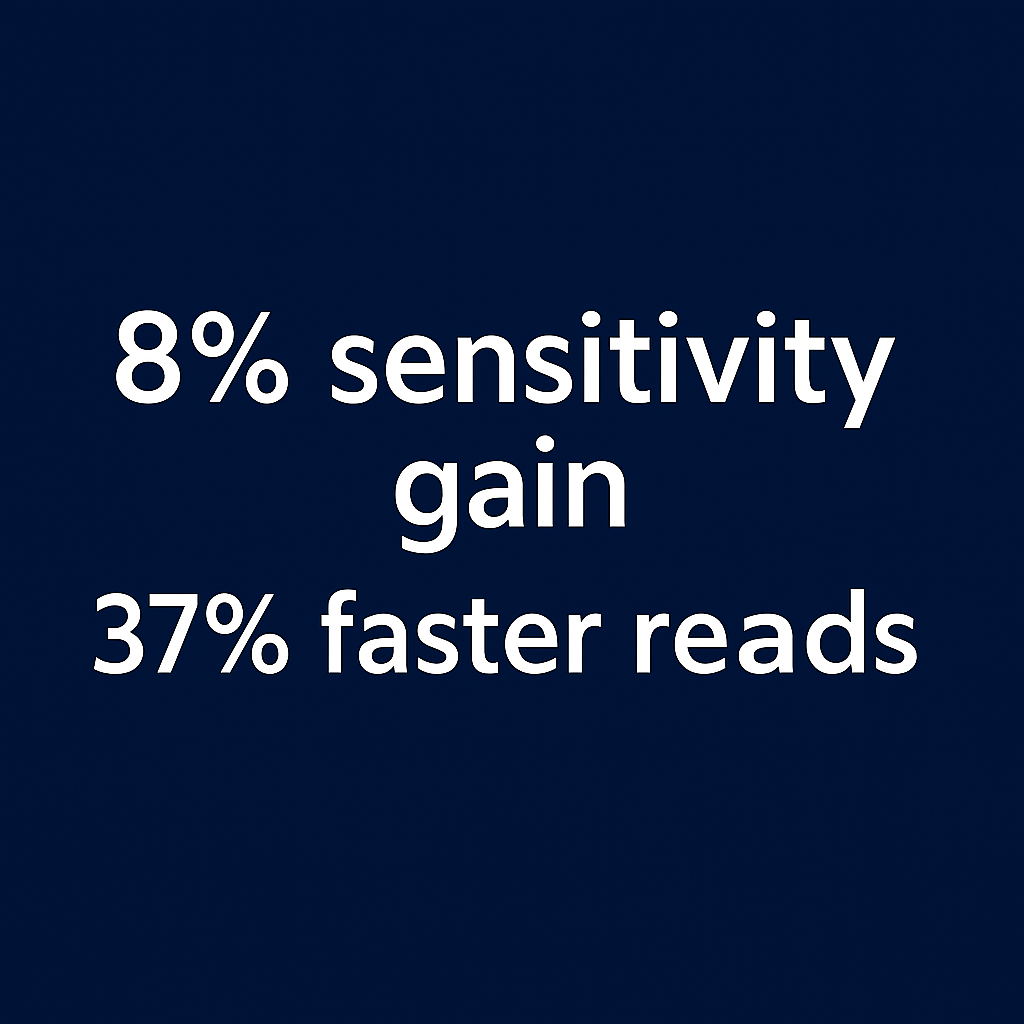
AI just stopped flagging findings. It started writing the report. 🖊️ That is a different product category entirely. The consensus right now is that radiology AI is a detection layer. A flag. A second pair of eyes sitting beside the radiologist, handing them a score. The industry has spent a decade building that story. Here is my read: that framing is already obsolete. In July 2026, the FDA granted 510(k) clearance to DeepHealth Breast Ultrasound, the commercial name for the See-Mode Augmented Reporting Tool, Breast, or SMART-B. According to Discoveries in Health Policy, the system performs automated lesion detection and characterization and generates radiology report findings and impressions, while leaving final assessment under radiologist control. This is not a detection ...
Eyonis LCS Canon Deal: Lung AI Goes National
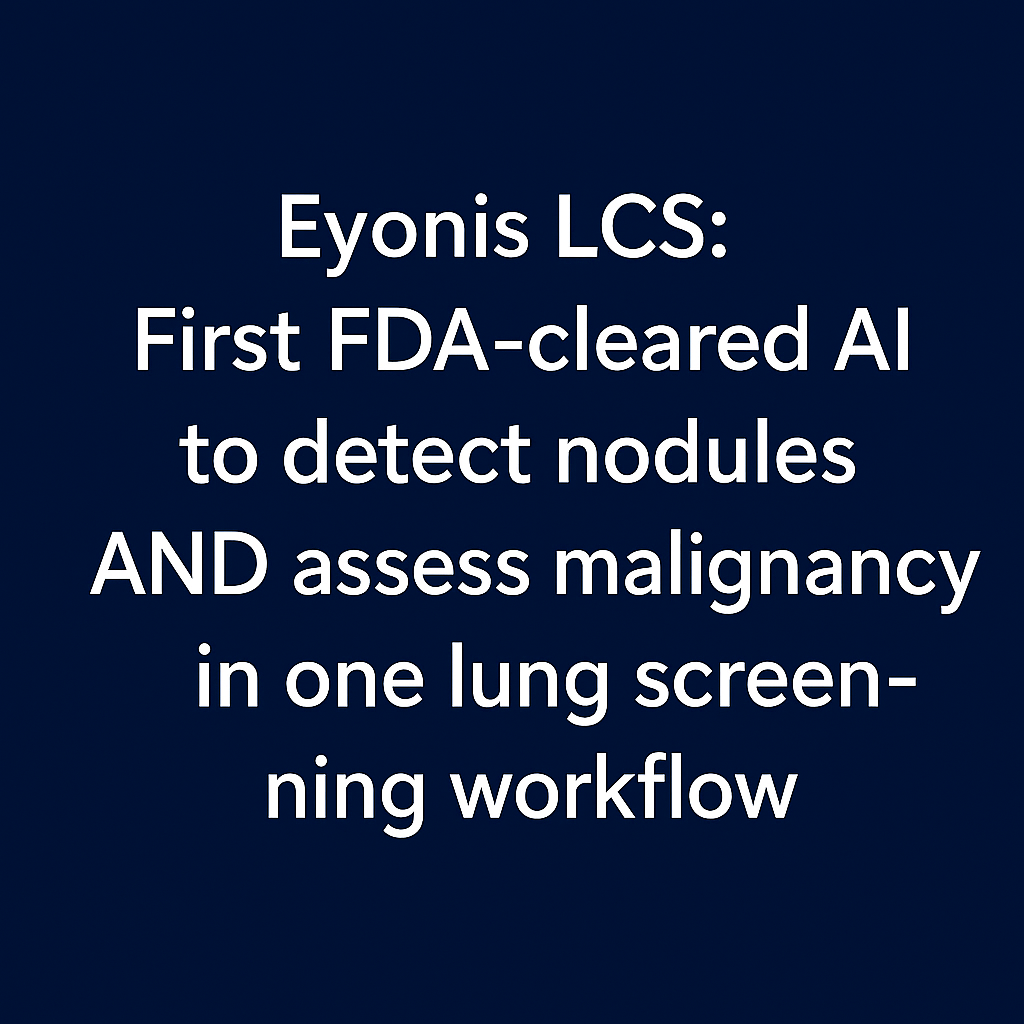
Most lung cancer AI detects nodules. That is not the hard part. 🫁 The hard part is telling the radiologist which one is probably cancer, right now, not after three to six months of watchful waiting. This week, Eyonis and Canon Medical Systems' Olea Medical announced a strategic commercial agreement to expand U.S. access to eyonis LCS, according to Globe Newswire. Here is why this matters more than a typical distribution deal. 📌 The consensus is that detection AI is the finish line. Find the nodule. Flag the abnormality. Hand it to the radiologist. Done. My read: detection alone is actually where the dangerous ambiguity begins. 🔍 The evidence tells a different story. eyonis LCS is described as the first ...