

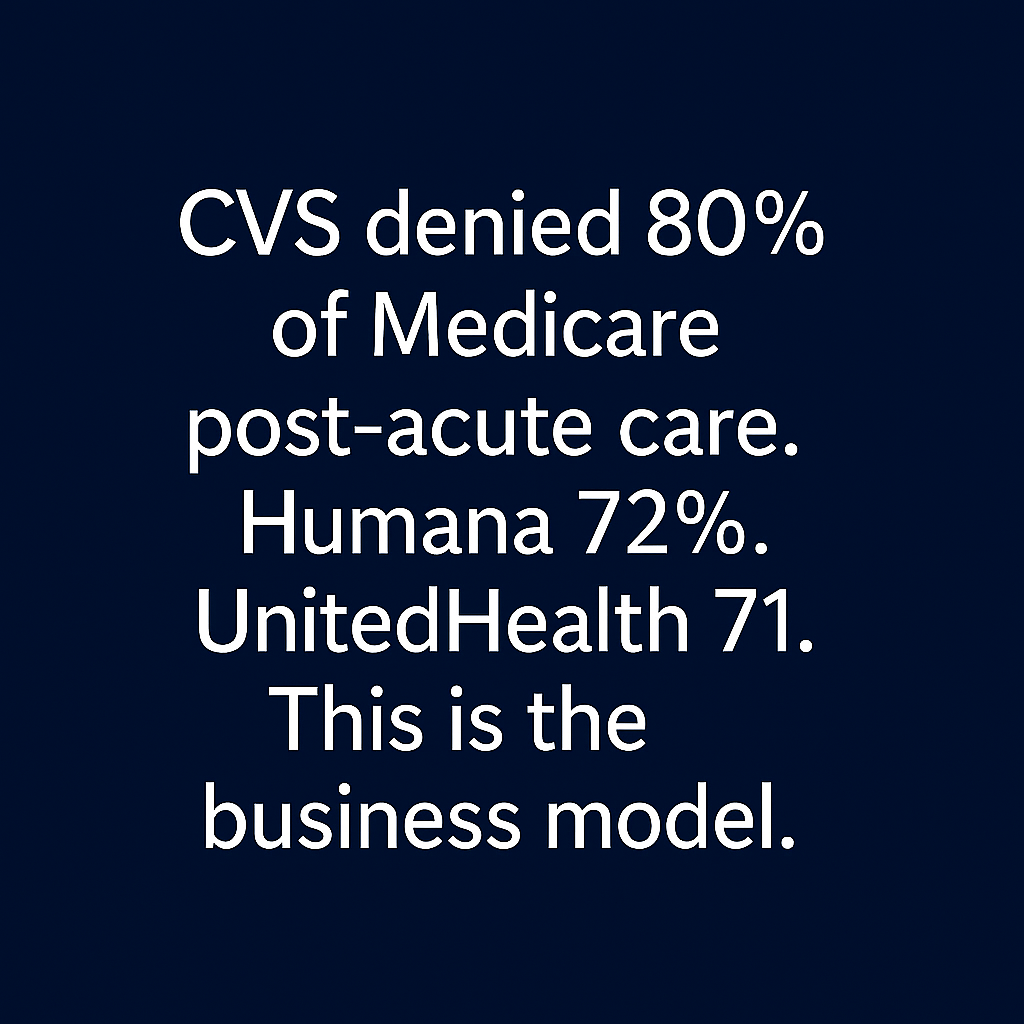
Medicare Advantage Denial Rates Are a Scandal
CVS denied 80% of Medicare post-acute care. That is not a glitch. Let me say that again. Eighty percent. 🚨 The Medicare Rights Center published data this week showing that the largest Medicare Advantage organizations have disproportionate denial rates for post-acute care. CVS denied 80% of long-term care hospital coverage. Humana denied 72%. UnitedHealth denied 71%. For inpatient rehab facilities, UnitedHealth led with 66%, Humana at 54%, CVS at 51%. These are not edge cases. These are the dominant patterns of the dominant players. Here is my take: this is not a claims processing problem. It is a business model problem. Medicare Advantage was sold to the public as Medicare, but better. More benefits. Lower costs. A private sector upgrade ...
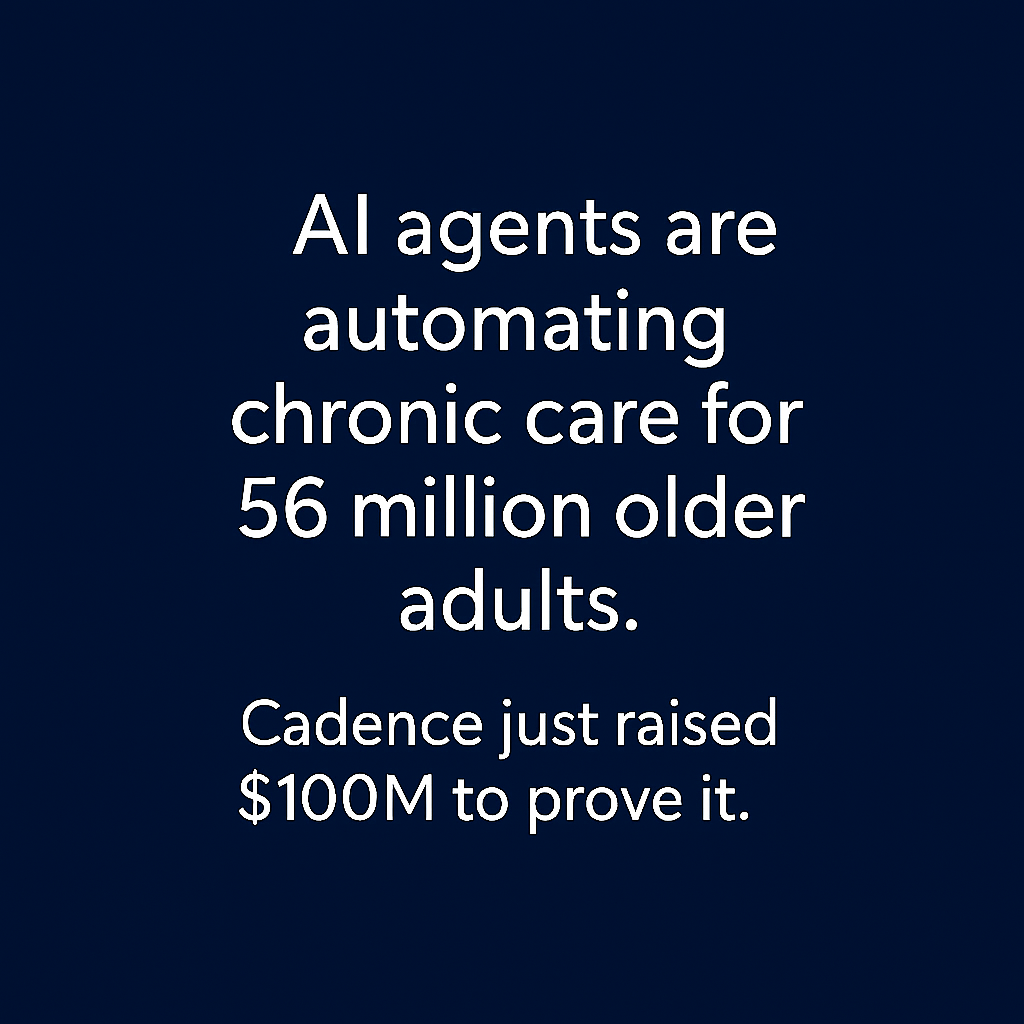
Cadence: AI Agents for Chronic Care
56 million older adults in this country live with chronic disease. Heart failure. Hypertension. Diabetes. Conditions that demand daily attention, medication adjustments, and real-time clinical judgment. We do not have enough clinicians to deliver that. Not even close. Cadence is betting it can close that gap with AI. On June 23, the New York-based startup announced a $100 million Series C led by Spark Capital. Thrive Capital, General Catalyst, Coatue, and B Capital joined the round, alongside the venture arms of Corewell Health, Memorial Hermann, and Duke Health. Total funding now sits at $241 million. Valuation: $1.23 billion. 🦄 Here is what makes Cadence different from a standard remote monitoring play. Most RPM companies give clinicians a dashboard. More data. ...
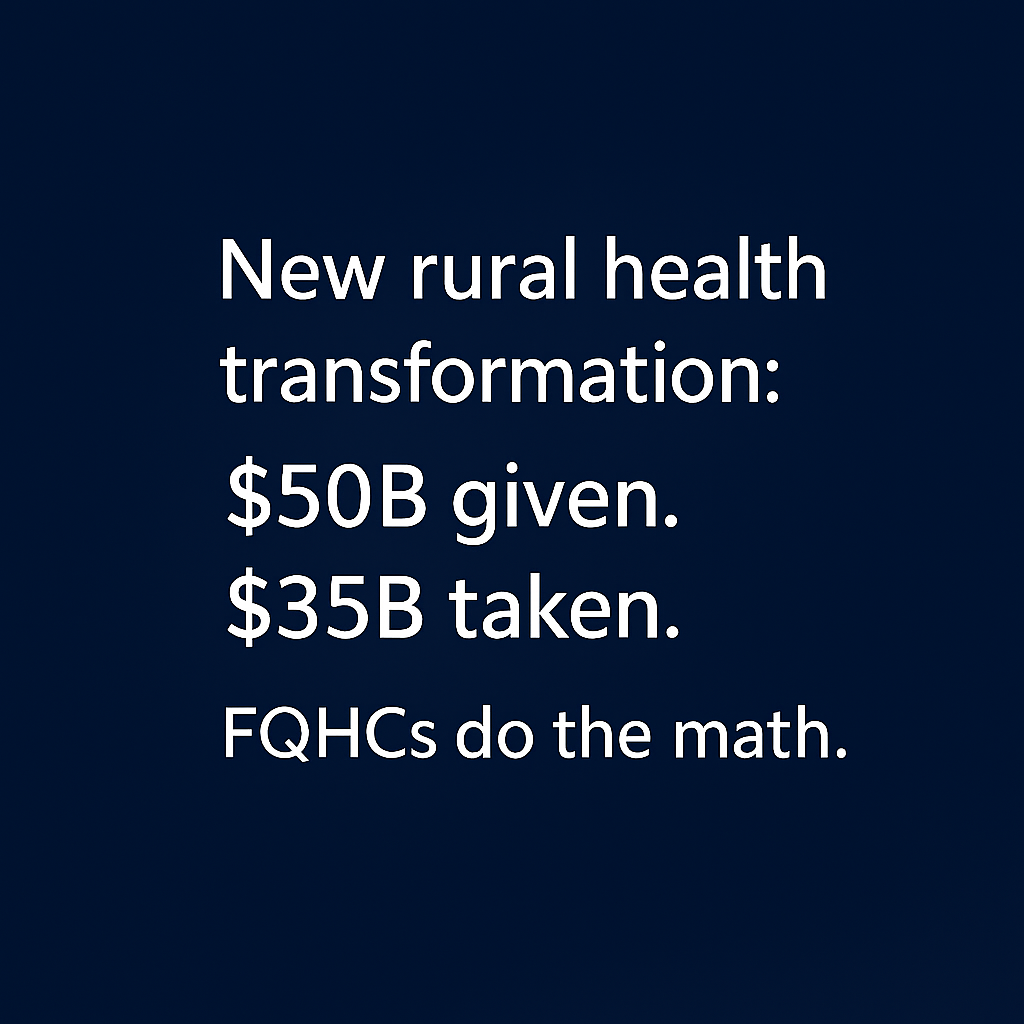
FQHC Funding: Bandage on a Wound
I keep thinking about this headline from this week. "New Rural Health Funding Only a Bandage for Medicaid Wound." That is not hyperbole. That is the operating reality for every FQHC and community health center in this country right now. Here is what is actually happening. 🧵 Congress is promoting a $50 billion Rural Health Transformation Program. That number sounds enormous. It gets press. It gets applause. But buried in the same legislative package is a proposed $35 billion cut to the HRSA Community Health Center Fund over 10 years. That is the Section 330 grant program. It is not a fringe line item. It is the foundational operating support that keeps the doors open at health centers serving 32 ...
Gen AI Drafts Radiology Reports
I keep thinking about what happened this week in radiology. The FDA granted Breakthrough Device Designation to two generative AI tools that do not just detect findings on a chest X-ray. They draft the radiology report. Aidoc's First Read. Cognita, the Stanford-founded startup now owned by Radiology Partners. Both cleared this threshold in the same week. This is not incremental. This is a category change. 🔬 For the past decade, radiology AI meant one thing: a model looks at an image and highlights a spot. A radiologist still does the interpretation. A radiologist still writes the report. The AI was a tool, not an author. That model just changed. Generative AI, driven by large vision-language models, can now process the ...
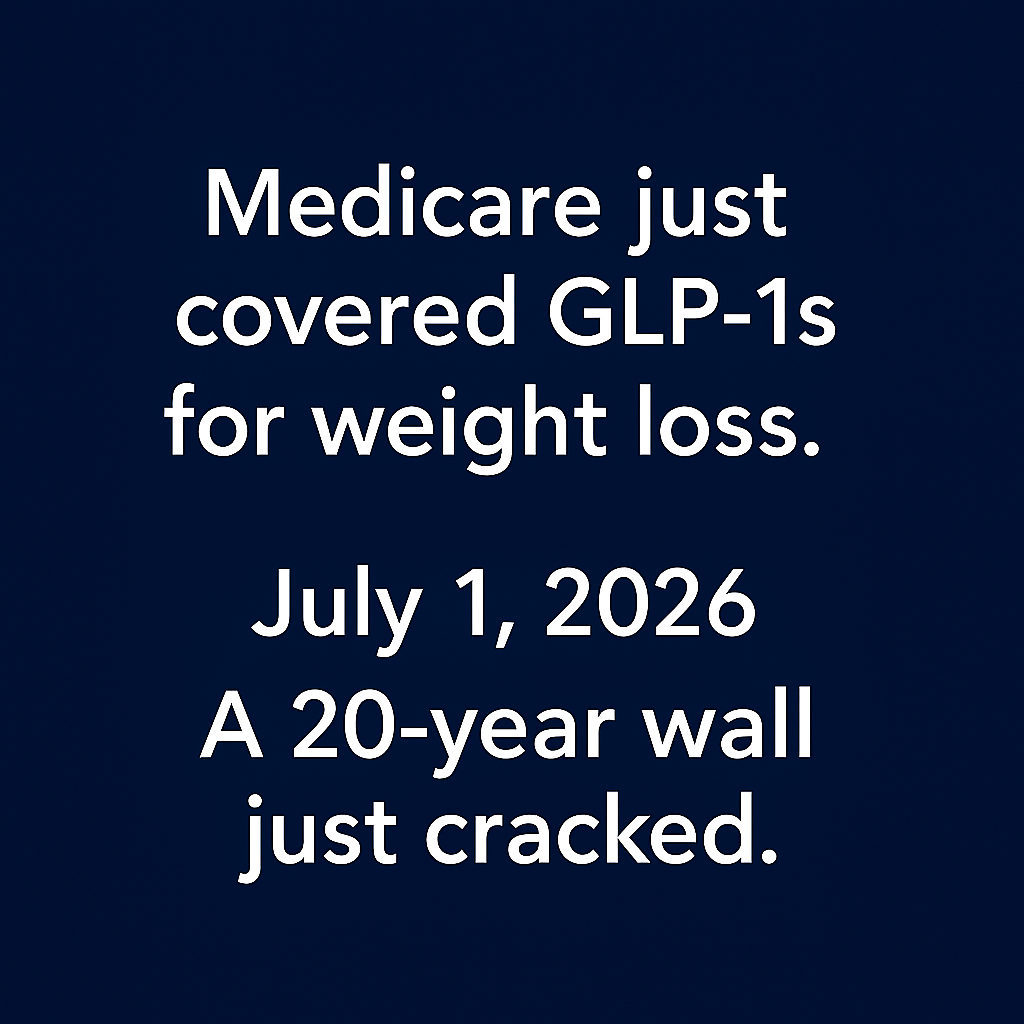
Medicare GLP-1 Bridge Program
Medicare just did something it has never done before. 🚨 I keep thinking about what this actually means. Starting July 1, 2026, CMS is launching the Medicare GLP-1 Bridge Program. For the first time in the history of Medicare Part D, seniors can access GLP-1 medications for weight management, not just for Type 2 diabetes or sleep apnea. Since Part D was created, federal law explicitly excluded drugs used solely for weight loss. That was not an oversight. It was a deliberate policy choice. That choice held for over two decades. This week, it changed. Here is what the AMA's National Advocacy Update published on June 26 says you need to know. Eligibility is clinical and specific. A beneficiary qualifies ...
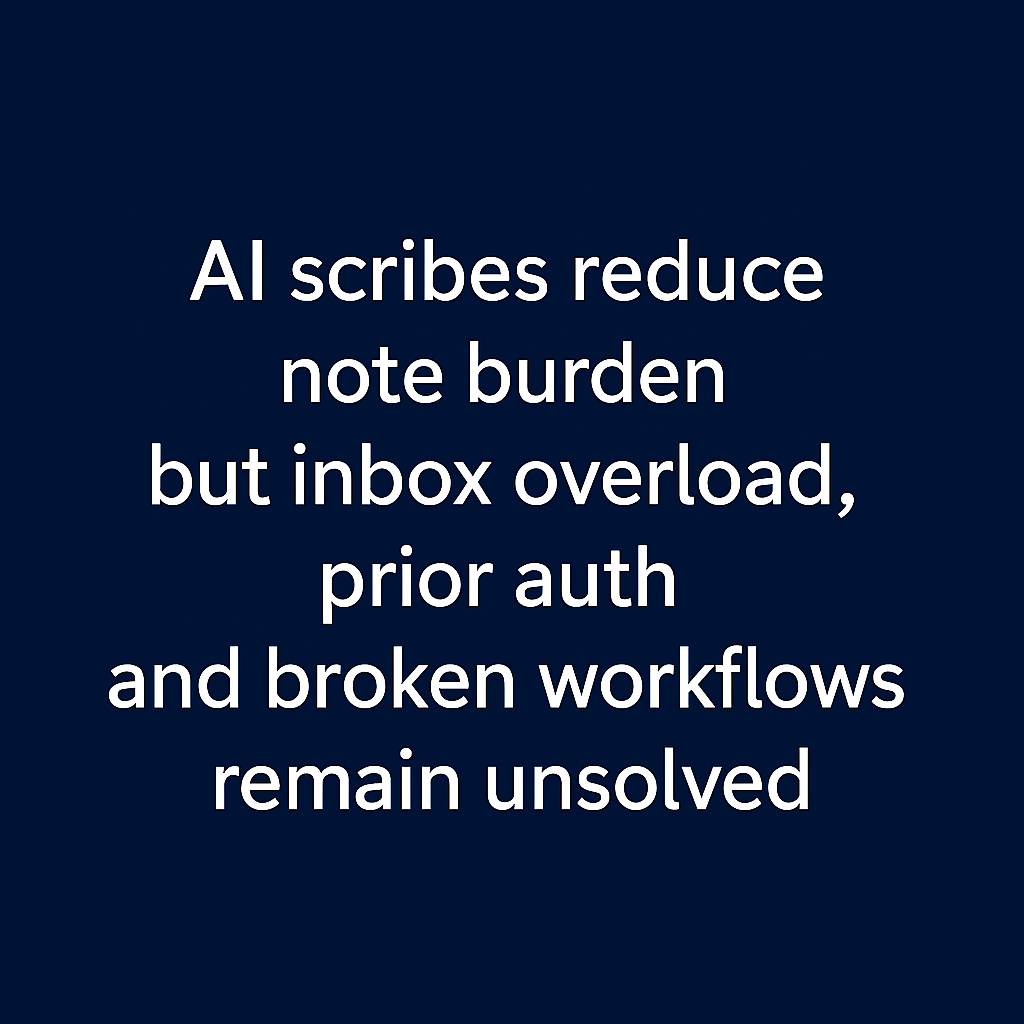
Unpopular Opinion: AI Scribes Are Hiding a Bigger Problem
Unpopular opinion: AI scribes are a bandage on a bullet wound. Every major health system is racing to deploy ambient AI documentation tools. Epic, Oracle Health, Microsoft, Nuance, and a dozen well-funded startups are all selling the same promise: give doctors their time back. And yes, the early data looks good. Physicians report spending less time on notes. Satisfaction scores tick up. Burnout metrics improve slightly. But here is what nobody is saying about this: We are automating our way around a system design failure instead of fixing it. 🔍 Think about what ambient AI scribes actually do. They listen to a conversation, generate a note, and drop it into the EHR. Faster. Cleaner. Less painful. What they do not ...
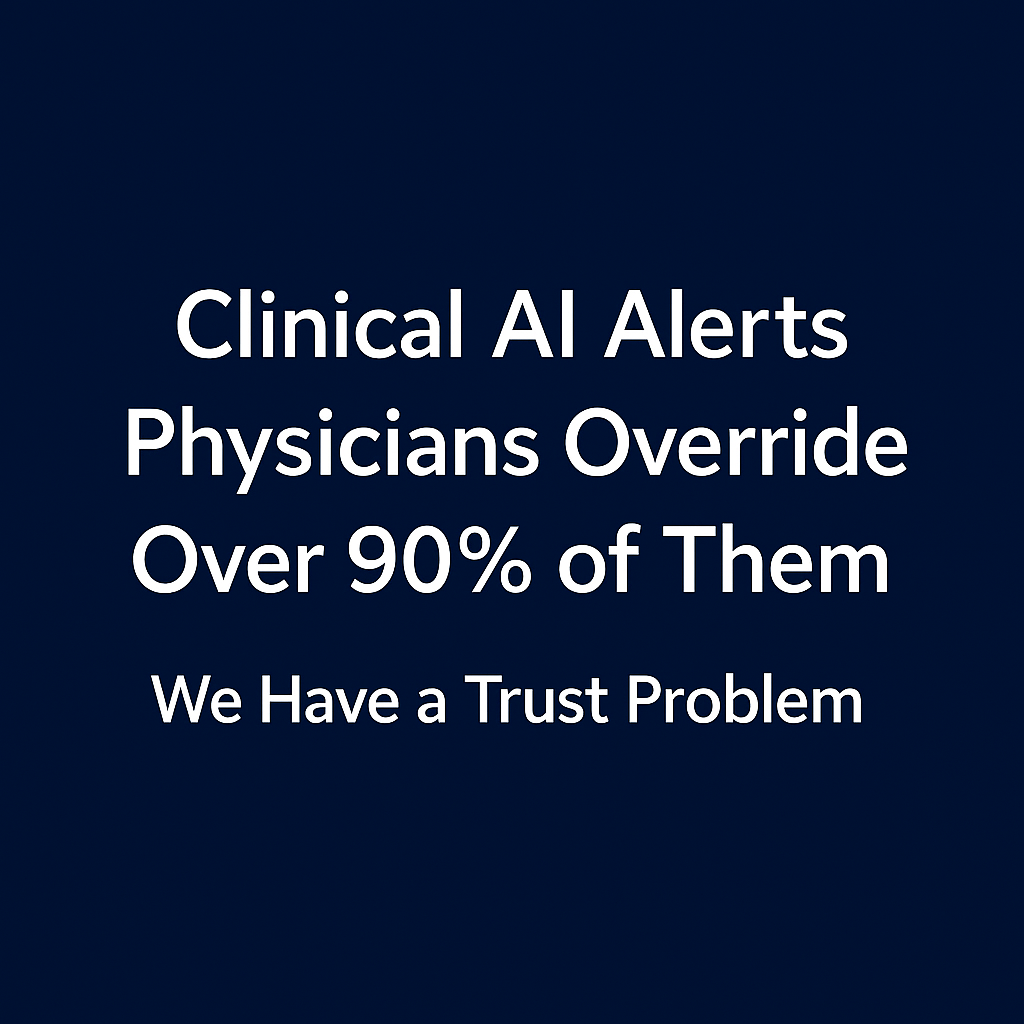
AI Clinical Decision Support: The Trust Problem
I keep thinking about why AI still can't change a doctor's mind. Not because the models are bad. Some of them are genuinely impressive. But impressive models and useful tools are not the same thing. Health systems invest millions in clinical decision support, deploy it inside the EHR, and then watch utilization rates flatline. Clinicians click through alerts without reading them. Recommendations get ignored. And the vendor gets blamed. But the vendor is not always the problem. A 2025 study published in the Journal of the American Medical Informatics Association found that physicians override clinical decision support alerts at rates exceeding 90% in some health systems. That is not a technology failure. It is a trust failure. Why? Three reasons ...
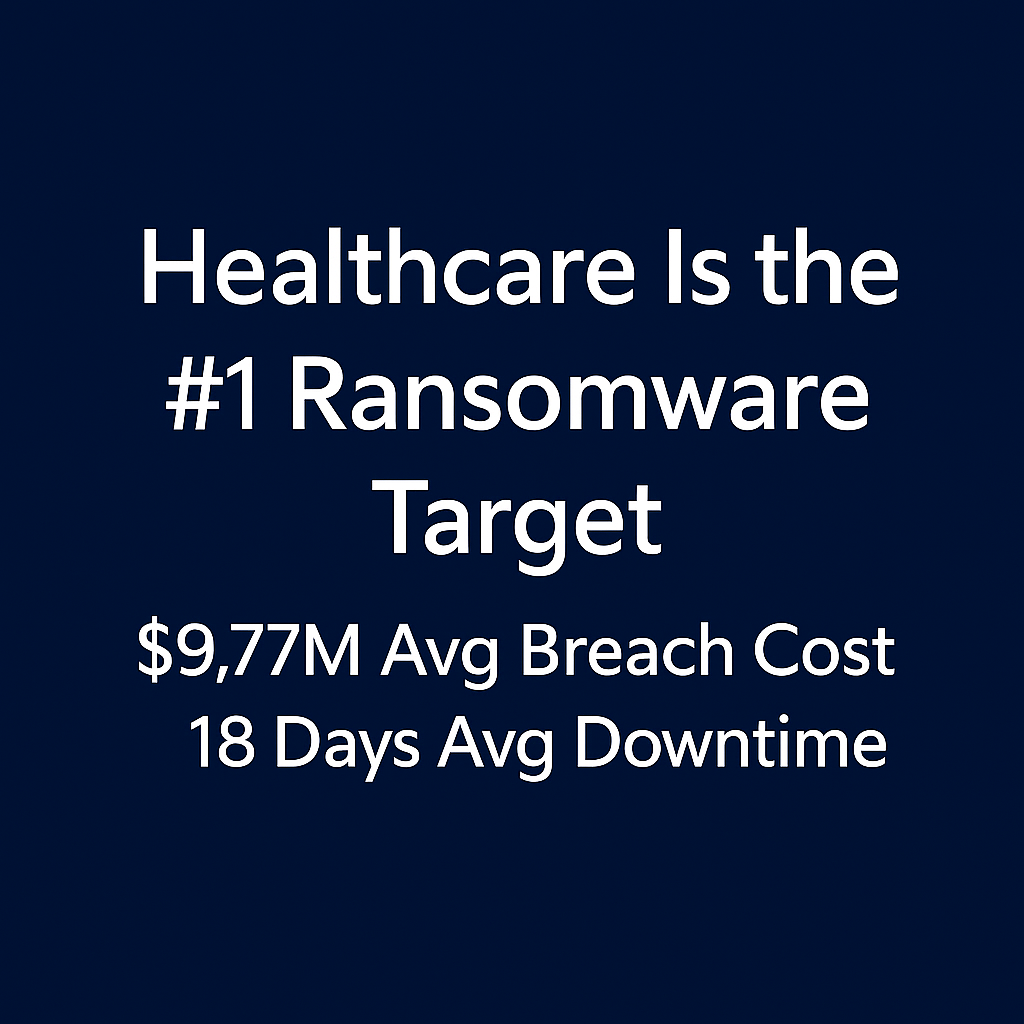
Healthcare Cybersecurity: The AI Foundation Problem
I keep thinking about how we are building AI on top of a security disaster. Healthcare is the most attacked industry in America. Not finance. Not energy. Healthcare. The HHS Office for Civil Rights breach portal logs more than 700 large healthcare data breaches every year, affecting tens of millions of patients. The numbers keep climbing. And we are rushing to connect everything. AI clinical tools. Remote monitoring platforms. Cloud-based EHRs. Interoperability mandates pushing data across more endpoints than ever. Every connection is also a door. The Change Healthcare cyberattack in February 2024 was the single largest healthcare data breach in U.S. history. UnitedHealth Group's subsidiary was offline for weeks. An estimated 190 million Americans had their data exposed. AMA ...
Healthcare AI: Why Don’t Clinicians Use It?
Why do we keep buying healthcare AI that nobody uses? Health systems spent an estimated $45 billion on AI and analytics tools in 2025. That number is climbing in 2026. And yet, when you walk into most clinical settings, the tools are either turned off, ignored, or buried three clicks deep in a workflow nobody follows. I have seen this firsthand. Not just at small FQHCs, but at large integrated health systems with entire innovation teams. The technology is not the problem. Here is what I actually think is happening. 🔎 We are measuring adoption by contract signatures, not by clinical use. A health system buys a predictive readmission tool. IT deploys it. The vendor sends a press release. Leadership ...